Overview
Day 1 Arusha To Tarangire
Day 1: Tarangire National Park
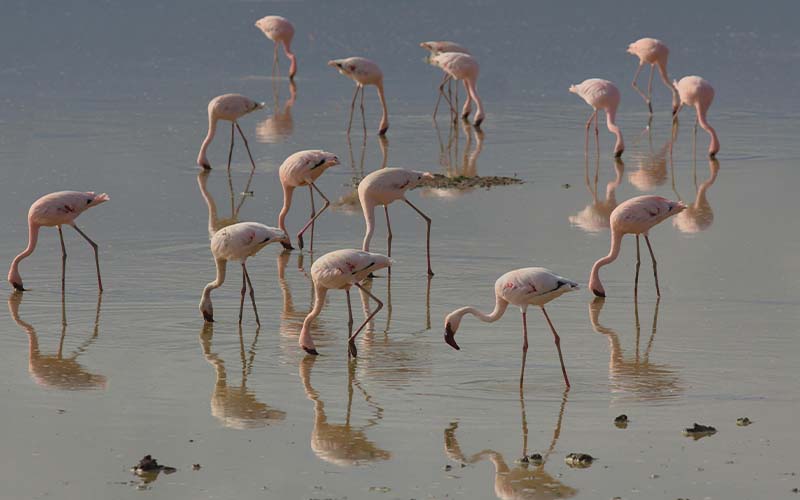
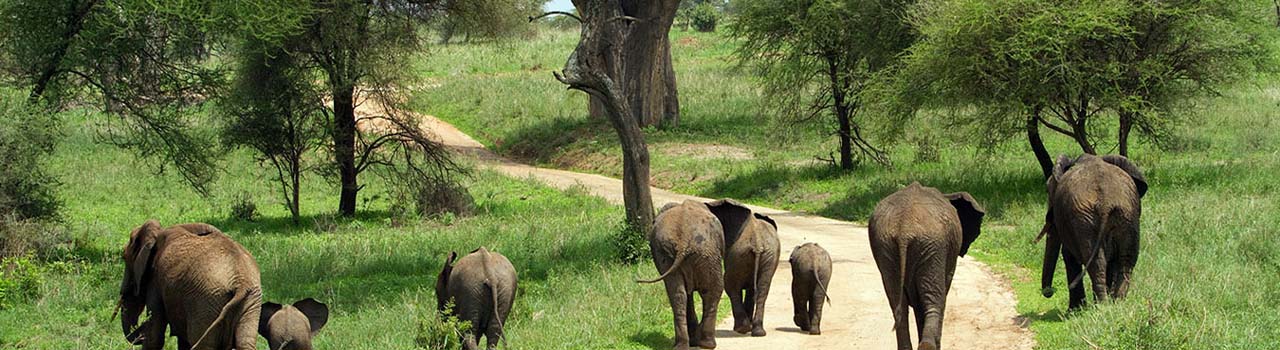
Your adventure begins with a morning pickup from your hotel in Arusha, followed by a scenic drive to Tarangire National Park, known for its vast landscapes, iconic baobab trees, and one of the largest elephant populations in Africa. The park is also home to diverse wildlife, including lions, leopards, cheetahs, and a variety of bird species.
Upon arrival, you will embark on a thrilling game drive, exploring the park’s rich ecosystems. A delicious hot lunch will be served at a designated picnic site before continuing with another game drive in the afternoon. As the sun sets, you will proceed to Marera Valley Lodge in Karatu for dinner and an overnight stay.
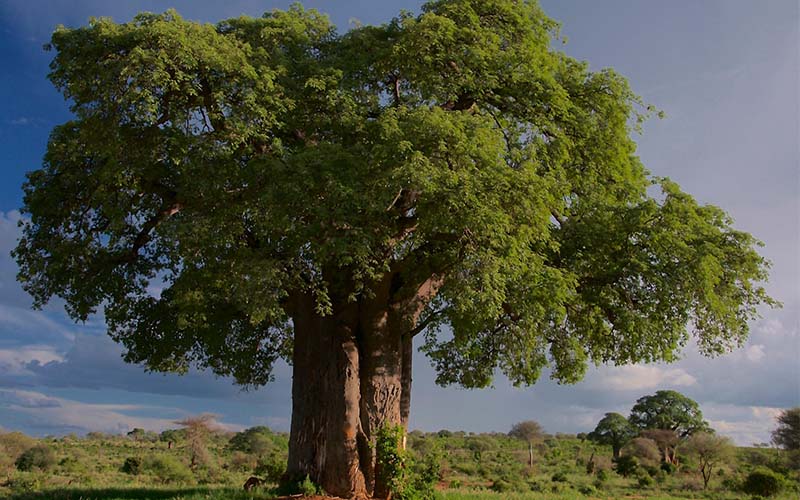
Tarangire National Park boasts a rich diversity of wildlife, both large and small. While the park has a substantial population of resident animals, some species migrate depending on the season. Common sightings include elephants, giraffes, impalas, warthogs, zebras, wildebeests, dwarf mongooses, and ostriches. Lions and leopards are al... more
Day 2: Ngorongoro Crater
Early in the morning, you will depart for the world-famous Ngorongoro Crater, a UNESCO World Heritage Site and one of Africa’s most spectacular wildlife destinations. The crater, formed by a collapsed volcano, creates a natural enclosure for a remarkable concentration of wildlife, including the Big Five—lion, elephant, buffalo, rhino, and leopard.
Descending into the crater, you will enjoy an immersive game drive, witnessing the stunning landscapes and abundant wildlife. A special bush lunch will be served in the heart of the crater, complemented by a celebratory champagne toast and lively music. After the afternoon game drive, you will begin your journey back to Arusha, arriving in the early evening.

The Ngorongoro Conservation Area (NCA), a UNESCO World Heritage Site, is situated 180 km west of Arusha in Tanzania's Crater Highlands. Within this area lies the Ngorongoro Crater, a massive volcanic caldera that is considered one of the seven natural wonders of the world.
The Ngorongoro Crater is the largest intact, inactive, an... more