
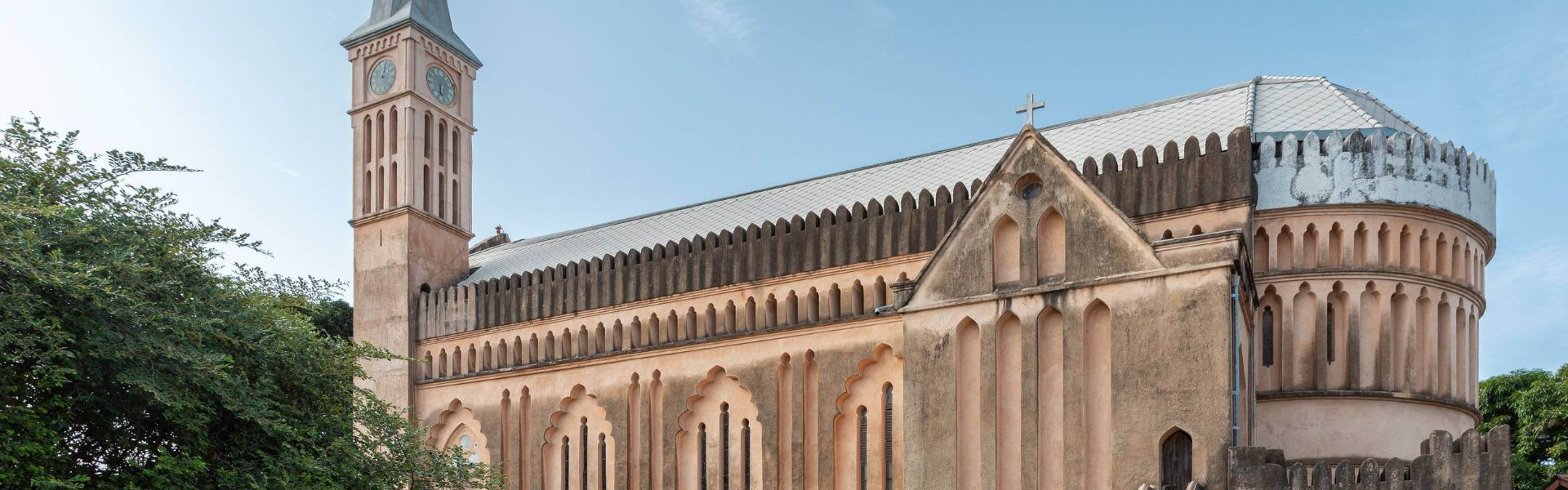
The Ultimate Guide to Christ Cathedral Zanzibar Safaris

Christ Church Cathedral is a very important church located in Stone Town, the capital city of Zanzibar Island. It is not just a place for worship; it is a powerful symbol of history, especially the end of slavery in East Africa. The cathedral stands on a site that was once the largest and most infamous slave market in East Africa. This makes it a place of deep historical and emotional significance for many people around the world.
The church was built by British missionaries in the late 19th century, specifically to mark the abolition (ending) of the slave trade. It is a beautiful building with a unique architectural style that mixes different influences. Today, it is still an active Anglican church, serving the Christian community in Zanzibar, but it also welcomes thousands of visitors each year who come to learn about its history and the story of slavery.
In 2000, Stone Town, including Christ Church Cathedral and its surrounding historical area, was recognized as a UNESCO World Heritage Site. This means it is considered a place of outstanding value to all of humanity and needs to be protected for future generations.
The Unique Christ Church Cathedral?
è Christ Church Cathedral is unique for several powerful reasons that set it apart from other historical or religious sites;
A. Built on the Site of the Last Slave Market: This is the most significant and unique feature of the cathedral. It was purposely built on the exact location of the last permanent open slave market in East Africa. For centuries, this very spot in Mkunazini (a part of Stone Town) was a place of immense suffering, where thousands of enslaved men, women, and children from across East and Central Africa were brutally bought and sold. The market was finally closed in 1873. The decision to build a church of freedom on such a dark site was a very strong statement against slavery.
B. The Altar Over the Whipping Post: To make the symbolism even stronger, the high altar of the cathedral was intentionally placed directly over the spot where the infamous "whipping post" once stood. This was where enslaved people were cruelly whipped to show their "obedience" and "strength" to potential buyers. Standing at the altar, knowing what happened beneath it, is a deeply moving experience that serves as a constant reminder of the atrocities of slavery and the triumph of human dignity.
C. Slave Dungeons in the Basement: Beneath the cathedral, you can still visit the original underground slave chambers, or "dungeons." These dark, cramped, and airless rooms were where hundreds of enslaved people were kept in terrible conditions, sometimes for days, before being brought out for sale. Visitors can walk through two of these preserved rooms, one for men and one for women and children, and see the stone benches where they were chained. This is a very powerful and sobering experience that brings the reality of the slave trade to life.
D. The Cross from Livingstone's Tree: The large cross inside the cathedral is made from the wood of a tree under which the heart of Dr. David Livingstone was buried in Chitambo, Zambia. David Livingstone was a famous Scottish missionary and explorer who dedicated much of his life to fighting against the slave trade in Africa. This cross serves as a poignant link to his anti-slavery work and his deep connection to the continent.
E. Symbol of Abolition and Reconciliation: The cathedral stands as a powerful symbol of the abolition movement and the long fight for freedom. It represents hope, healing, and reconciliation. The ongoing efforts to use the site as a heritage center for education about slavery, promoting diversity and tolerance, further emphasize its role as a place of healing and learning.
F. Unique Architecture: The cathedral's design, by C. Forster Hayward, is a blend of different architectural styles. It combines Victorian Gothic elements (common in British churches of that era) with influences from Zanzibar and the Middle East, and even Arts & Crafts motifs. It was built using local materials like coral stone, which is common in Stone Town. Its tall spire and distinctive features make it stand out in the Stone Town skyline.
G. Active Place of Worship and Community Hub: Despite its historical significance, Christ Church Cathedral is still a vibrant and active Anglican church. It is the "mother parish" of the Zanzibar Diocese, meaning it is the main church for the Anglican community on the island. It hosts regular services and serves as a community hub, demonstrating the continuity of faith and community life on a site with such a challenging past.
H. Heritage and Education Center: Beyond being a church, the site has developed into a crucial heritage and education center. It houses an exhibition about the East African slave trade, providing factual information and promoting understanding. This educational role is vital for ensuring that the lessons of history are not forgotten.
In summary, Christ Church Cathedral is unique because it is built directly on the site of the last slave market, with its altar over the whipping post and original dungeons below. It houses a cross linked to David Livingstone, symbolizing the fight against slavery. It stands as a powerful testament to abolition, reconciliation, and the enduring spirit of hope, all within a unique architectural setting that continues to serve a living community.
Establishment.
The Dark History of the Site: The Slave Market.
To understand the establishment of Christ Church Cathedral, it's essential to first understand the dark history of the ground it stands upon. For centuries, Zanzibar was a major hub for the East African slave trade. Its strategic location made it a central point where enslaved people, captured from various parts of East and Central Africa, were brought before being sold to plantations on Zanzibar itself, the Middle East, or other parts of the Indian Ocean world.
By the 19th century, the market in Mkunazini, Stone Town, had become the largest and most notorious open slave market in East Africa. Thousands of men, women, and children were trafficked through this market annually. They were held in horrific underground dungeons, then brought out for inspection and sale, often after being brutally whipped to demonstrate their "strength" and "obedience." This was a place of immense suffering, despair, and dehumanization.
The Abolition Movement and Bishop Steere's Vision.
In the mid-19th century, there was growing international pressure, particularly from Britain, to abolish the slave trade. Dr. David Livingstone, the famous Scottish explorer and missionary, played a crucial role in exposing the horrors of the East African slave trade to the world. His reports and advocacy helped to build momentum for its abolition.
The Universities Mission to Central Africa (UMCA), an Anglican missionary society, was at the forefront of the anti-slavery movement in Zanzibar. Their goal was not only to preach Christianity but also to actively fight slavery and provide refuge and education for freed slaves.
Bishop Edward Steere (1828–1882) was a central and inspirational figure in the UMCA. He arrived in Zanzibar in 1864 and became Bishop in 1874. Steere was a passionate abolitionist who believed that a powerful symbol of freedom should rise from the very ground where so much suffering had occurred.
The Closure of the Slave Market and Land Acquisition.
Under increasing pressure from the British, the Sultan of Zanzibar, Sayyid Barghash bin Said, finally signed a treaty on June 5, 1873, officially abolishing the slave trade in Zanzibar and ordering the immediate closure of the market. This was a monumental moment in history.
Following the closure, the UMCA, under Bishop Steere's leadership, moved quickly to acquire the land of the former slave market. Reverend Arthur Nugent West of the UMCA purchased the site on September 5, 1873. This acquisition was a deliberate act to transform a place of immense darkness into a beacon of hope and freedom.
Construction of the Cathedral (1873-1879).
With the land secured, Bishop Steere began the ambitious project of building a cathedral on the site. He himself played a significant role in designing the church, working with architect C. Forster Hayward.
Foundation Stone: The foundation stone for Christ Church Cathedral was laid by Bishop Edward Steere on Christmas Day, 1873. This choice of date was symbolic, linking the birth of Christ with the new beginning of freedom and hope on the former slave market.
Construction Materials and Style: The cathedral was built using local materials, primarily coral stone and lime, which were common in Stone Town. The design incorporated a blend of Victorian Gothic architecture (typical of British churches) with local Zanzibari and Middle Eastern influences, resulting in a unique and distinctive appearance.
Symbolic Placement: A key element of the design was the deliberate placement of the high altar directly over the former whipping post, a powerful symbol of atonement and transformation. Black cobblestones on the floor inside the church also mark the locations of the former slave dungeons in the basement.
Labor: It is believed that many of the freed slaves themselves contributed to the construction of the cathedral, a profound act of building their own future on the ruins of their past.
Completion: The construction of Christ Church Cathedral was completed on the same day, Christmas Day, seven years later, in 1879. It was consecrated (officially dedicated) in that year.
Post-Construction and Modern Significance.
After its completion, Christ Church Cathedral became the "mother parish" of the Anglican Diocese of Zanzibar. It served as a spiritual home for the growing Christian community, including many freed slaves and their descendants. The UMCA also established schools and dispensaries (clinics) in the area to support the newly freed population.
Over the years, the tropical climate took its toll on the building, and by the early 21st century, the cathedral faced structural problems and was in danger of collapse. However, significant restoration efforts, notably with support from the World Monuments Fund Britain and the European Union (starting around 2013), have brought the cathedral back to a safe and stable condition. These restorations also included the creation of a Heritage Centre to tell the story of the East African slave trade in a factual and unbiased way, promoting reconciliation and tolerance.
The establishment of Christ Church Cathedral is a powerful narrative of faith, determination, and the triumph of human rights over one of history's darkest chapters. It stands today as a living monument to freedom and a center for education and remembrance.
Location and Accessibility.
Where is Christ Church Cathedral Located?.
Christ Church Cathedral is located in the heart of Stone Town, which is the old part of Zanzibar City. Stone Town itself is a UNESCO World Heritage Site, famous for its winding alleys, historic buildings, and blend of Swahili, Arab, Indian, and European cultures.
● Specific Area: The cathedral is situated in an area of Stone Town historically known as Mkunazini. This location is incredibly significant because it was the exact site of the last permanent open slave market in East Africa.
● Central Location: Its central position within Stone Town makes it easily identifiable and accessible from many other major attractions. It's often described as being just a short distance from the Old Fort (Ngome Kongwe) and the bustling Darajani Market.
● Coastal Proximity: While not directly on the waterfront, it is within walking distance of the main seawalk and Forodhani Gardens, allowing visitors to combine a historical tour with coastal views.
How to Get There (Accessibility).
Christ Church Cathedral is one of Stone Town's most visited landmarks, and its central location makes it very accessible for tourists staying in the city or arriving from other parts of Zanzibar.
A. Walking (Most Common and Recommended).
● From Stone Town Hotels: If you are staying in any hotel or guesthouse within Stone Town, the cathedral is usually within easy walking distance. Stone Town is best explored on foot, as its narrow, winding alleys are not suitable for cars.
● From Major Landmarks:
○ From the Old Fort (Ngome Kongwe): The cathedral is just a short walk (about 5-10 minutes) from the Old Fort. If you exit the Old Fort towards the water and head south along the coast, you will soon see the cathedral on your right.
○ From Darajani Market: It's also very close to the Darajani Market, Zanzibar's main market, making it easy to combine a visit to both.
● Benefits: Walking allows you to experience the vibrant atmosphere of Stone Town, admire the unique architecture, and discover hidden gems along the way.
B. By Taxi or Bajaj (Motorcycle Rickshaw).
● Convenience for Shorter Distances: If you are coming from slightly outside the immediate walking area of Stone Town, or if you prefer not to walk, a taxi or a "bajaj" (a three-wheeled auto-rickshaw common in Zanzibar) can drop you off very close to the cathedral.
● Fare Negotiation: Always negotiate the fare before starting your journey, as taxis and bajaj do not use meters.
● Accessibility within Stone Town: While taxis/bajaj can get you close, they might not be able to navigate all the narrow alleys directly to the cathedral's entrance. You may still have a short walk from the drop-off point.
C. By Daladala (Public Minibus).
● Affordable Option: If you are coming from further afield on Zanzibar Island (e.g., from a beach resort outside Stone Town), you can take a daladala to Stone Town.
● Drop-off: Daladalas will drop you off at the main daladala station or a central point in Stone Town (often near Forodhani Gardens or Darajani Market).
● Final Walk: From the daladala drop-off point, it's typically a 10-15 minute walk to Christ Church Cathedral. Ask locals for guidance or follow signs towards the Old Fort.
D. By Private Car/Rental Car.
● Limited Use in Stone Town: While you can drive to the outskirts of Stone Town, driving and parking within the narrow, pedestrian-heavy alleys of Stone Town are generally not recommended for tourists.
● Parking: If you drive, you'll need to find parking outside the main historical core, which may incur a fee, and then walk to the cathedral.
Accessibility within the Cathedral and Slave Market Site.
● Cathedral Interior: The main part of the cathedral is generally accessible.
● Slave Dungeons: The slave dungeons in the basement are accessible via steps. Visitors should be prepared for dark, confined spaces.
● Heritage Centre/Exhibition: The exhibition area is usually well-laid out for visitors.
● Guided Tours: Guided tours are highly recommended to fully understand the history and significance of the site. Knowledgeable local guides can provide deeper insights into the cathedral's history and the broader context of the slave trade.
Christ Church Cathedral's prime location in the heart of Stone Town makes it an easily accessible and essential stop for anyone exploring Zanzibar's rich and often challenging history.
Transportation.
l Introduction: Getting to and Around Christ Church Cathedral
Transportation to Christ Church Cathedral is mainly about getting to and navigating within Stone Town, Zanzibar. Since the cathedral is centrally located in Stone Town, the methods of transport are similar to those for exploring the entire historic area. Zanzibar itself is an island, so getting there involves either flying or taking a ferry.
Transportation to Zanzibar Island.
A. By Air (Most Common for International Tourists).
● International Flights: Most international visitors fly into Abeid Amani Karume International Airport (ZNZ) in Zanzibar. There are direct flights from various cities in Africa, Europe, and the Middle East, or connecting flights via major hubs like Dar es Salaam.
● Domestic Flights: If you are already in mainland Tanzania (example after a safari in Arusha or from Dar es Salaam), you can take a short domestic flight to ZNZ.
○ Airlines: Local airlines like Precision Air, Air Tanzania, and smaller charter companies operate these routes.
○ Duration: Flights from Dar es Salaam to Zanzibar are very short, typically 15-20 minutes.
● From ZNZ Airport to Stone Town:
○ Taxi: Taxis are readily available outside the airport. The drive to Stone Town (where the cathedral is) takes about 15-20 minutes. Always agree on the fare before starting the journey (usually around $10-15 USD or 25,000-35,000 TZS).
○ Pre-arranged Transfers: Many hotels or tour operators can arrange airport transfers for you.
B. By Ferry (From Dar es Salaam).
● Route: High-speed ferries operate daily between Dar es Salaam and Zanzibar.
● Companies: Azam Marine (Kilimanjaro Fast Ferries) is the most popular and reliable operator.
● Duration: The journey takes approximately 1.5 to 2 hours.
● Cost: Fares vary for locals and tourists, and by class (economy, VIP).
● Arrival in Stone Town: Ferries arrive at the main port in Stone Town, which is very close to the historical center and within walking distance or a short taxi ride to Christ Church Cathedral.
● Considerations: Ferry travel can be affected by sea conditions. It's advisable to book tickets in advance, especially during peak season.
Local Transportation within Stone Town (to Christ Church Cathedral).
Once you are in Stone Town, getting to Christ Church Cathedral is very easy.
A. Walking (Highly Recommended).
● Best Way to Explore: Stone Town is a labyrinth of narrow alleys and pedestrian-only streets. Walking is the best way to explore its hidden gems, absorb the atmosphere, and reach most attractions, including Christ Church Cathedral.
● Proximity: The cathedral is centrally located and within easy walking distance from most hotels, the main market (Darajani Bazaar), the Old Fort, and Forodhani Gardens.
● Directions: From the Old Fort, you can head south towards the waterfront, and then turn inland slightly to find the cathedral. Signs are generally available.
B. Taxi or Bajaj (Motorcycle Rickshaw/Tuk-tuk).
● For Short Distances/Convenience: If you prefer not to walk or are coming from a slightly further point within Stone Town (or just outside it), taxis or bajaj are available.
● Limited Access: Be aware that these vehicles cannot enter all the narrow alleys of Stone Town. They will drop you off at the nearest accessible point, and you will need to walk the rest of the way.
● Fare Negotiation: Always negotiate the fare before you get in.
C. Daladala (Public Minibus).
● For Longer Distances within Zanzibar Island: If you are staying outside Stone Town (e.g., at a beach resort) and want to visit the cathedral for a day trip, you can take a daladala to Stone Town.
● Drop-off Point: Daladalas will drop you at the main daladala stand in Stone Town. From there, you will need to walk (about 10-15 minutes) to the cathedral.
● Affordability: This is the cheapest option for inter-town travel on Zanzibar.
Transportation for Guided Tours.
● Tour Packages: Many tour operators in Stone Town offer guided walking tours of the city that specifically include Christ Church Cathedral and the former slave market. These tours often start from your hotel and include a knowledgeable guide.
● Benefits: This is a convenient option as all logistics are handled, and the guide provides invaluable historical context.
Considerations for Transportation.
● Footwear: Wear comfortable walking shoes, as you'll be doing a lot of walking in Stone Town.
● Heat: Consider the heat and humidity. Early mornings or late afternoons are often more comfortable for walking.
● Safety: Be aware of your surroundings, especially in crowded areas like markets. When using taxis or bajaj, choose reputable drivers.
● Local Currency: Have some Tanzanian Shillings (TZS) for daladala fares or small purchases.
Overall, getting to Christ Church Cathedral is an integral part of experiencing Stone Town. The ease of access on foot, combined with other local transport options, makes it a convenient and essential stop on any Zanzibar itinerary.
Accommodation.
Introduction: Where to Stay When Visiting Christ Church Cathedral.
Christ Church Cathedral is located in the heart of Stone Town, Zanzibar's capital and a UNESCO World Heritage Site. This central location means that visitors have a vast array of accommodation options, ranging from luxurious boutique hotels to charming guesthouses and budget-friendly hostels. Staying in Stone Town offers the convenience of being within walking distance of the cathedral and many other historical sites, markets, and restaurants.
Accommodation Options in Stone Town (Closest and Most Convenient)
Stone Town is the primary base for visitors to Christ Church Cathedral. The cathedral is easily accessible on foot from most of these accommodations.
A. Luxury and Boutique Hotels: These hotels offer high-end amenities, exquisite decor, often with a blend of traditional Swahili and modern styles, and excellent service.
● Park Hyatt Zanzibar: A top-tier luxury hotel located directly on the waterfront, offering modern comforts, a large swimming pool, and stunning sea views, while seamlessly blending into Stone Town's historic architecture. It's a short walk from the cathedral.
● Emerson on Hurumzi / Emerson Spice: These are highly-rated boutique hotels known for their beautifully restored Swahili mansions, unique rooms, and famous rooftop restaurants that offer panoramic sunset views over Stone Town. They provide a very authentic and luxurious cultural experience.
● Mizingani Seafront Hotel: Situated right on the seafront, offering a mix of traditional Zanzibari charm and modern amenities, with a pool and sea views.
● Zanzibar Serena Hotel: A well-known international chain hotel offering comfortable rooms, a pool, and good service, located on the waterfront.
● Kisiwa House: A beautiful boutique hotel in a restored Stone Town building, known for its elegant design and personalized service.
B. Mid-Range Hotels and Guesthouses: These options offer a good balance of comfort, amenities, and value, often with a strong sense of local character.
● Tembo House Hotel: A popular and well-established hotel with a historical feel, located near the beach. It features a pool and a mix of traditional and modern conveniences.
● The Swahili House: A charming hotel set in a refurbished 5-story Indian Merchant House, built around a courtyard. It offers a unique historical ambiance in the bustling center of Stone Town.
● Al-Minar Hotel: Often praised for its clean, comfortable rooms, good breakfast, and a location that's slightly quieter than the busiest parts of Stone Town but still very accessible.
● Spice Palace Hotel / Antonio Garden Hotel / Forodhani Park Hotel: These are other popular mid-range hotels offering various amenities like pools, restaurants, and good locations for exploring.
● Zanzi House: A well-regarded guesthouse in the Mkunazini area, very close to Christ Church Cathedral, offering comfortable rooms and a local feel.
● Princess Salme Inn: A guesthouse with a historical connection, offering a traditional Omani-style dwelling experience.
C. Budget-Friendly Options and Hostels: Stone Town also has numerous options for travelers on a tighter budget, offering basic but clean and comfortable stays.
● Balcony House: A popular choice for budget travelers, known for its friendly staff, good location, and often rooms with balconies.
● Various Guesthouses and Hostels: Many smaller, locally run guesthouses and hostels are scattered throughout Stone Town's alleys, offering simple rooms, sometimes with shared bathrooms, but providing a very authentic local experience. Examples include "Mama's House," "Baba Bora House," and "Rafiki Apartment Hotel."
D. Vacation Rentals (e.g., Airbnb).
● Apartments and Private Rooms: For longer stays or those seeking more independence, numerous apartments and private rooms are available for rent through platforms like Airbnb. These can offer more space, kitchen facilities, and a chance to experience living like a local in a traditional Stone Town house.
Choosing Your Accommodation.
When selecting accommodation near Christ Church Cathedral, consider the following:
● Location: Do you want to be right in the busiest part of Stone Town, or slightly quieter but still within walking distance? The area immediately around the cathedral (Mkunazini) is very central.
● Budget: Determine your budget range, as Stone Town offers options from very affordable to luxurious.
● Amenities: What facilities are essential for your comfort (e.g., air conditioning, private bathroom, swimming pool, Wi-Fi, in-house restaurant)?
● Experience: Do you prefer a modern hotel, a historical boutique property, or a simple guesthouse for a more local feel?
● Reviews: Always check recent reviews from other travelers to ensure the quality and services meet your expectations.
Staying in Stone Town provides an immersive experience of Zanzibar's history and culture, with Christ Church Cathedral being a key and easily accessible landmark from almost any accommodation within the old city.
Benefit of Local Community.
Introduction: How Christ Church Cathedral Supports Zanzibar's People.
Christ Church Cathedral is not just a historical monument; it is a living part of the Zanzibar community. Its presence, especially because of its unique history as the former slave market, brings significant benefits to the local people. These benefits are often linked to tourism, education, and the church's direct community programs. When managed well, a heritage site like the Cathedral can be a powerful engine for positive change and sustainable development.
Economic Benefits.
A. Job Creation.
● Tour Guides: One of the most direct benefits is the employment of local tour guides. These guides, often from the community, lead visitors through the cathedral, the slave dungeons, and the exhibition, sharing the poignant history and earning an income. They are crucial for interpreting the site.
● Site Staff: The cathedral and the associated heritage center employ local people for various roles, including ticket sales, maintenance, cleaning, security, and administration.
● Artisans and Vendors: The increased flow of tourists to the area creates a market for local artisans to sell their crafts, souvenirs, and traditional products. Street vendors and small shops around the cathedral benefit from visitor spending.
● Hospitality Sector: The cathedral's popularity as a tourist attraction contributes to the overall tourism industry in Stone Town. This supports jobs in hotels, guesthouses, restaurants, and cafes where tourists stay and eat.
● Transportation: Local taxi drivers, bajaj drivers, and daladala operators earn income by transporting visitors to and from the cathedral.
B. Revenue Generation for Local Economy.
● Entrance Fees: Visitors pay an entrance fee to access the slave dungeons and the exhibition. A portion of this revenue contributes to the maintenance of the site and supports the church's community programs.
● Donations: Visitors often make donations, which can be used for the cathedral's upkeep and its social initiatives.
● Local Spending: Tourists spend money on food, drinks, accommodation, and other services in Stone Town, directly injecting funds into the local economy.
C. Skill Development and Training.
● Heritage Management Training: The conservation projects at the cathedral (like those supported by the World Monuments Fund) have included training opportunities for local craftspeople in traditional building skills (e.g., masonry, plasterwork, timber conservation). This leaves a legacy of valuable skills that can be used on other historic buildings in Stone Town.
● Hospitality and Guiding Skills: The demand for tourism services encourages locals to develop skills in hospitality, customer service, and tour guiding, improving their employability.
Social and Cultural Benefits.
A. Preservation of History and Memory.
● Education and Awareness: The cathedral's Heritage Centre plays a vital role in educating both locals and international visitors about the history of the East African slave trade. This helps ensure that the painful past is remembered and understood, preventing its repetition.
● Reconciliation and Tolerance: By openly addressing the history of slavery, the site promotes dialogue, reconciliation, diversity, and tolerance within Zanzibar's multi-ethnic society. It fosters a shared understanding of a complex past.
● Empowerment of Descendant Communities: For descendants of enslaved people, the site provides a space for remembrance, healing, and recognition of their ancestors' suffering and resilience.
B. Community Programs by the Anglican Diocese.
● Education Scheme Fund: The Anglican Diocese of Zanzibar, of which Christ Church Cathedral is the mother parish, runs an Education Scheme Fund. This fund raises money to support Christian children from disadvantaged families in accessing quality education, including sponsoring students to study on the mainland. This directly improves educational opportunities for local youth.
● HIV/AIDS Prevention: The Diocese supports programs for HIV/AIDS prevention and impact mitigation within its congregation and other communities.
● Livelihood Projects: The church supports various development projects, such as the "Heifer project" for poor rural farmers and community schools. Some parishes have income-generating projects (e.g., pig rearing by the Mother's Union) that empower women and provide extra income.
● Youth Development: The Anglican Youth organization (TAYO) runs programs focused on spiritual development, life skills, economic well-being, and leadership for young people, helping them tackle challenges like illiteracy, disease, and poverty.
C. Cultural Exchange.
● Interactions between tourists and locals (guides, vendors, church members) foster cultural exchange, allowing visitors to learn about Zanzibari culture and locals to learn about the outside world.
Environmental Benefits.
● Conservation Awareness: The focus on preserving the cathedral, a historic building, can raise general awareness about the importance of conservation and sustainable practices within Stone Town, which is also a UNESCO site.
● Sustainable Tourism: The emphasis on responsible tourism at such a sensitive site encourages practices that minimize negative environmental impacts.
Challenges and Solutions.
Introduction: Protecting a Sacred and Historic Site.
Christ Church Cathedral, with its deep historical and spiritual significance, faces a unique set of challenges. As an old building in a tropical climate, and as a site commemorating a painful past, its preservation requires constant vigilance, specialized expertise, and sensitive management. These challenges can be broadly categorized into structural and environmental issues, historical interpretation complexities, and resource limitations.
Structural and Environmental Challenges.
A. Deterioration Due to Tropical Climate.
Problem: Zanzibar's hot, humid, and often rainy tropical climate takes a heavy toll on old buildings. High humidity, heavy rainfall, and salt-laden air (due to its coastal location) cause materials like coral stone, plaster, and timber (especially mangrove poles, known as 'boriti') to decay, rot, and crack. Before recent restorations, the cathedral was in danger of collapse, with cracks running through its roof and walls, and water leaking inside.
Solution.
○ Comprehensive Restoration: Major restoration projects (like the one supported by the World Monuments Fund and the EU) are crucial. These involve:
■ Structural Stabilization: Installing stainless steel rods to tie walls together, grouting and pinning large structural cracks.
■ Roof Reconstruction: Rebuilding the roof with new, treated timber (like boriti mangrove poles) and carefully selected replacement tiles to prevent water ingress.
■ Plaster and Masonry Repair: Repairing decaying external plaster, re-plastering walls with traditional lime-based plasters, and reinstating original finishes (e.g., 'Neeru' plaster made from marble dust).
■ Stained Glass Conservation: Carefully repairing rare stained glass windows.
■ Continuous Monitoring: Regular inspections and maintenance programs to detect and address new deterioration early.
B. Material Degradation.
Problem: The traditional building materials, while historically authentic, have specific vulnerabilities. Coral stone can be porous and susceptible to water absorption, leading to internal decay. Wood, especially in humid conditions, is prone to rot and insect infestation.
Solution.
○ Material Science Research: Conduct research into the properties of local building materials to understand their vulnerabilities and develop appropriate conservation treatments.
○ Skilled Craftsmanship: Use trained local craftspeople who understand traditional building techniques and materials for repairs and restoration, ensuring authenticity and durability.
○ Preventative Treatments: Apply appropriate, non-damaging preventative treatments to timber against insects and to stone against excessive moisture.
Challenges in Historical Interpretation and Sensitivity.
A. Presenting a Painful History (Slave Market).
Problem: The site's primary significance lies in its history as a slave market, a very painful and sensitive topic. Presenting this history factually, respectfully, and in a way that promotes reconciliation without glorifying the past or causing distress can be challenging. There can be different perspectives on the narrative.
Solution.
○ Heritage Centre: The establishment of a dedicated Heritage Centre and exhibition is a key solution. This center aims to tell the story of the East African slave trade in an "unbiased and factual way."
○ Multi-Perspective Narrative: Ensure the narrative includes perspectives from various groups involved (enslaved Africans, abolitionists, Omani rulers, European powers, Indian traders) to provide a comprehensive understanding.
○ Focus on Resilience and Hope: While acknowledging the brutality, also emphasize the resilience of the enslaved, the triumph of abolition, and the ongoing efforts towards freedom and human dignity.
○ Trained Guides: Ensure guides are well-trained not only in historical facts but also in sensitive communication, empathy, and facilitating respectful dialogue with visitors.
B. Balancing Religious Site and Tourist Attraction.
● Problem; Christ Church Cathedral is an active place of worship for the Anglican community, but it is also a major tourist attraction. Balancing the needs of worshippers (peace, reverence) with those of tourists (exploration, photography, information) can be difficult.
● Solution;
○ Clear Guidelines: Establish clear guidelines for visitors regarding appropriate dress, behavior, and photography, especially during worship times.
○ Designated Areas: Create designated visitor pathways and viewing areas that minimize disruption to religious services.
○ Separate Entrances/Hours: Consider separate entrances or specific visiting hours for tourists outside of worship times.
○ Educational Materials: Provide information that explains the cathedral's dual role as a place of worship and a historical monument.
Management and Resource Limitations.
A. Insufficient Funding.
● Problem; Ongoing conservation, maintenance, and educational programs require substantial financial resources, which are often difficult to secure consistently in a developing country.
● Solution;
○ Diversified Funding: Seek funding from a variety of sources: international heritage organizations (e.g., UNESCO, World Monuments Fund, European Union), government grants, private donors, church congregations worldwide, and revenue generated from tourism (entrance fees, souvenir sales).
○ Endowment Funds: Establish an endowment fund to provide a long-term, sustainable source of income for the cathedral's preservation and programs.
B. Lack of Local Expertise and Capacity.
● Problem; While training has occurred, there can still be a shortage of highly specialized local experts in heritage conservation and management.
● Solution;
○ Continued Training: Invest in ongoing, advanced training programs for local architects, conservators, craftspeople, and heritage managers.
○ International Partnerships: Maintain partnerships with international organizations and universities to facilitate knowledge transfer, mentorship, and specialized technical assistance.
○ Vocational Schools: Support the establishment or strengthening of local vocational schools that teach traditional building and conservation skills.
C. Maintenance of UNESCO World Heritage Status.
● Problem; As part of Stone Town, the cathedral must adhere to UNESCO's strict guidelines for heritage preservation. This requires continuous effort and reporting.
● Solution;
○ Strong Management Plan: Develop and regularly update a comprehensive management plan for the site that aligns with UNESCO requirements.
○ Collaboration: Foster strong collaboration between the Anglican Diocese of Zanzibar, the Zanzibar government, the Stone Town Heritage Society, and international partners to ensure coordinated conservation efforts.
By proactively addressing these challenges through strategic planning, international collaboration, community engagement, and sustainable resource mobilization, Christ Church Cathedral can continue to stand as a powerful and enduring symbol of freedom and a vital educational resource for generations to come.
Opportunities.
Leveraging a Powerful Narrative.
Christ Church Cathedral in Zanzibar presents unique and significant opportunities for tourism development, community empowerment, and global education. Its profound history as the site of the former slave market, coupled with its role as a living church, offers a compelling narrative that can attract diverse visitors and foster positive social impact. By strategically developing these opportunities, the cathedral can enhance its sustainability, broaden its reach, and continue to serve as a beacon of remembrance and hope.
Enhanced Tourism Development.
A. Deepening the Visitor Experience.
● Opportunity; The site offers a powerful, emotional, and educational experience that goes beyond typical sightseeing.
● Action;
○ Interactive Exhibitions: Develop more interactive and multimedia exhibits in the Heritage Centre to fully immerse visitors in the history of the slave trade and the abolition movement. Include personal stories and testimonies.
○ Guided Tours: Promote and enhance guided tours by highly trained local guides who can provide nuanced historical context and facilitate a respectful, reflective experience.
○ Thematic Tours: Offer specialized tours focusing on different aspects, such as the architecture of the cathedral, the role of missionaries, or the legacy of abolition in Zanzibar.
B. Promoting Ethical and Responsible Tourism.
● Opportunity; The cathedral's history aligns perfectly with the growing global demand for ethical and responsible tourism, where travelers seek meaningful experiences that contribute positively to local communities and heritage.
● Action: Market the site as a destination for conscious travelers. Partner with tour operators committed to responsible tourism practices. Highlight how visitor fees contribute directly to conservation and community programs.
C. Integration with Broader Zanzibar Tourism.
● Opportunity; Christ Church Cathedral is a key attraction within Stone Town, which is itself a major tourist destination.
● Action; Collaborate with other historical sites in Stone Town (e.g., House of Wonders, Old Fort, Sultan's Palace, Darajani Market) to create comprehensive historical walking tours. Promote the cathedral as an essential stop on any Zanzibar itinerary, complementing beach holidays or spice tours.
D. Cultural and Spiritual Tourism.
● Opportunity: As an active place of worship, the cathedral can attract visitors interested in religious history, architecture, or attending services.
● Action: Promote the cathedral as a site of spiritual significance. Offer opportunities for visitors to attend services or learn about the Anglican faith in Zanzibar. Organize special events like choral performances or interfaith dialogues.
Community Empowerment and Economic Growth.
A. Expanding Local Employment.
● Opportunity; Increased visitor numbers and expanded programs will create more jobs for the local community.
● Action; Develop more comprehensive training programs for local youth in heritage interpretation, site management, conservation skills, and hospitality. Create opportunities for local artisans to sell high-quality, ethically sourced souvenirs.
B. Sustainable Funding for Community Programs.
● Opportunity; Tourism revenue can provide a stable and sustainable source of funding for the Anglican Diocese's vital community programs (education, health, livelihood projects).
● Action; Establish clear mechanisms to channel a portion of tourism income directly into these programs. Develop fundraising campaigns that highlight the social impact of visiting the cathedral.
C. Promoting Local Entrepreneurship.
● Opportunity; Encourage and support small local businesses around the cathedral.
● Action: Provide mentorship and microfinance to local entrepreneurs who wish to open cafes, craft shops, or offer other services to visitors, ensuring that economic benefits are widely distributed within the community.
Education and Research.
A. Global Educational Hub for Slavery History.
● Opportunity; The site offers a unique and powerful setting for learning about the history of slavery and its enduring legacies.
● Action;
○ Curriculum Development: Develop educational curricula and resources for schools (local and international) that use the cathedral and its history as a case study.
○ Academic Research: Encourage and facilitate academic research on the slave trade, abolition, and post-slavery societies in East Africa. Host conferences and workshops for scholars.
○ Digital Resources: Create online educational platforms, virtual tours, and digital archives of historical documents and testimonies related to the site.
B. Promoting Reconciliation and Human Rights.
● Opportunity: The cathedral can serve as a powerful platform for promoting human rights, reconciliation, and anti-slavery advocacy in the modern world.
● Action: Host events, dialogues, and awareness campaigns on contemporary issues of human trafficking and modern slavery, drawing parallels with the historical context of the site. Partner with human rights organizations.
Conservation and Heritage Management.
A. Long-Term Sustainability.
● Opportunity; The successful restorations provide a strong foundation for long-term conservation.
● Action; Develop a robust, long-term conservation plan that includes regular maintenance, climate monitoring, and adaptive strategies for preserving the building. Secure endowment funds for perpetual care.
B. Sharing Best Practices.
● Opportunity; The conservation of Christ Church Cathedral can serve as a model for other heritage sites in Zanzibar and across East Africa.
● Action; Share lessons learned and best practices from the restoration projects through workshops, publications, and collaborations with other heritage organizations.
By strategically pursuing these opportunities, Christ Church Cathedral can solidify its role not only as a historical landmark but also as a dynamic center for education, community development, and a powerful voice for human dignity in the 21st century.
Conclusion.
A Monument to Memory and Transformation
Christ Church Cathedral in Zanzibar stands as one of the most profoundly significant historical and spiritual sites in East Africa. It is a monument that embodies a complex and often painful past, yet also shines as a beacon of hope, freedom, and human resilience. Built on the very ground where the largest open slave market in East Africa once thrived, its very existence is a powerful testament to the triumph of abolition over one of humanity's darkest chapters.
The cathedral's unique features—its altar placed over the infamous whipping post, the chillingly preserved slave dungeons beneath its floor, and the cross crafted from David Livingstone's tree—are not mere historical curiosities. They are tangible, visceral reminders of the atrocities of slavery and the immense suffering endured by millions. Yet, they also serve as symbols of a profound transformation, turning a place of despair into a sanctuary of peace, remembrance, and reconciliation.
A Living Legacy and Community.
ü Beyond its historical weight, Christ Church Cathedral is a vibrant and active Anglican church, serving as the mother parish for the Diocese of Zanzibar. This dual role as both a historical landmark and a living place of worship is central to its identity. It is a place where faith and history intertwine, where the echoes of the past meet the prayers of the present.
Furthermore, the cathedral is deeply embedded within the local community. Through its associated Heritage Centre, it educates both locals and international visitors, ensuring that the lessons of the slave trade are never forgotten. The Anglican Diocese also runs vital community programs, providing education, health support, and livelihood opportunities, directly benefiting the people of Zanzibar and fostering a spirit of hope and development.
NB;
Overcoming Challenges, Embracing the Future
The preservation of Christ Church Cathedral is an ongoing endeavor, facing challenges from the harsh tropical climate that threatens its coral stone and timber structures, to the complexities of interpreting a sensitive history. However, through dedicated conservation efforts, significant international support, and the commitment of local craftspeople, the cathedral has undergone crucial restorations, ensuring its structural integrity and historical authenticity.
Looking ahead, the opportunities for Christ Church Cathedral are immense. It can further develop as a leading site for ethical and responsible tourism, attracting visitors who seek meaningful historical and cultural experiences. By expanding its educational programs, fostering local entrepreneurship, and strengthening its role as a community anchor, the cathedral can continue to drive positive social and economic impact in Zanzibar. It can also serve as a global platform for promoting human rights and advocating against modern forms of slavery.