
The Ultimate Guide to Stone Town Safaris

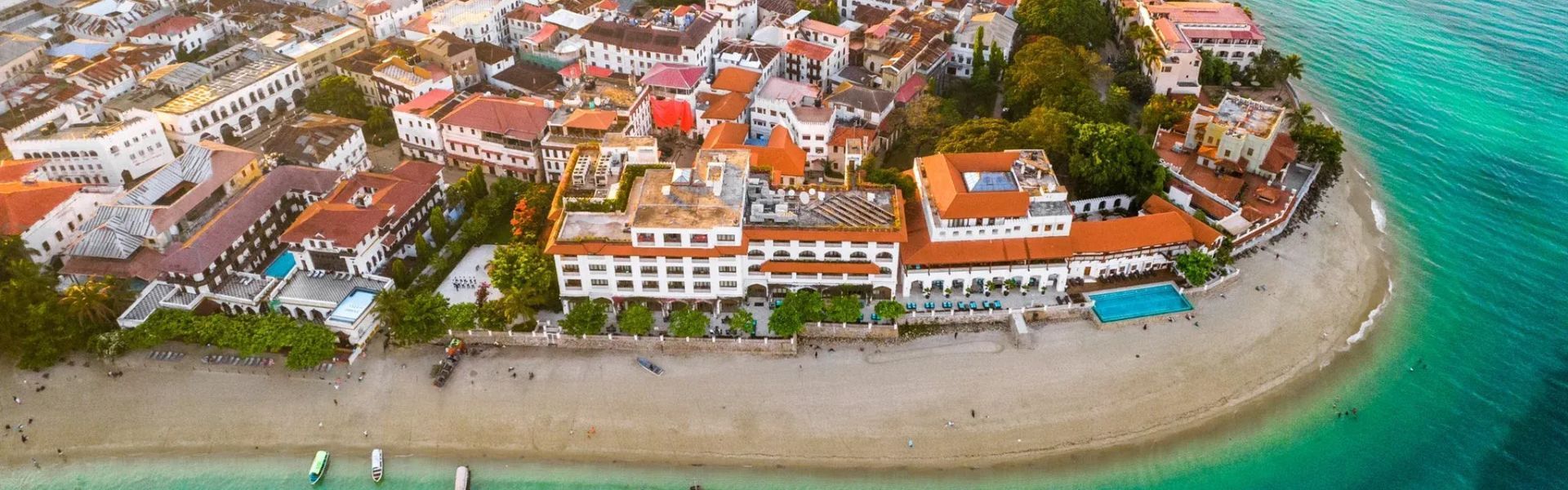
Stone Town is a very old and special part of Zanzibar City, which is the main city on Zanzibar Island in Tanzania, East Africa. It is called "Stone Town" because most of its buildings are made from coral stone. This town is not just any town; it is a UNESCO World Heritage Site. This means it is a place that is very important for all people in the world because of its history and unique culture.
UNIQUE FEAURES.
● Old Buildings and Architecture: The buildings in Stone Town are very old, some are hundreds of years old. They show many different styles because many different people lived here and built them. You can see Arab, Indian, European, and African styles mixed together. This mix shows the long history of trade and different cultures coming to Zanzibar.
● Narrow Alleys: Stone Town has many, many narrow streets and alleys. They are so narrow that cars cannot go through them. People walk, or sometimes use bicycles or small motorbikes. Getting lost in these alleys is part of the fun! Each corner can show you something new.
● Beautiful Carved Doors: One of the most famous things about Stone Town is its old, heavy, and beautifully carved wooden doors. These doors are very special. They show the wealth and status of the families who lived there. Many doors have brass studs, which were used to protect against elephants in India, even though there are no elephants in Zanzibar. This shows the Indian influence.
● History of Trade: For many hundreds of years, Stone Town was a very important center for trade in East Africa. Ships came from Arabia, India, Persia, and Europe. They traded spices (like cloves, nutmeg, cinnamon), ivory, and unfortunately, slaves. This history has left a big mark on the town.
● Mix of Cultures: Because of trade, many different people came to live in Stone Town. This created a rich mix of cultures, languages, and religions. You can hear Swahili, Arabic, English, and other languages. You can see mosques, churches, and Hindu temples close to each other. This cultural mix is very unique.
● Spice Island Connection: Zanzibar is known as the "Spice Island." Stone Town was the main port where these spices were traded. You can still smell spices in the air in some parts of the town.
● Freddie Mercury's Birthplace: The famous singer Freddie Mercury, from the band Queen, was born in Stone Town. This makes the town interesting for music fans from all over the world.
· In short, Stone Town is like an open-air museum. It tells a story of many centuries, of different people, and of important trade routes. It is a place where history feels alive, and every corner has a story to tell.
ESTABLISHMENT OF STONE TOWN (ZANZIBAR).
The history of Stone Town goes back a very long time, more than a thousand years. However, the town as we see it today, with its stone buildings, started to grow much later.
Early History;
● First Settlements: Before the stone buildings, there were small fishing villages along the coast of Zanzibar. People lived here and traded with people from the mainland of Africa.
● Arrival of Persians and Arabs: Around the 9th and 10th centuries, traders from Persia (modern-day Iran) and Arabia started to visit and then settle on the coast of East Africa, including Zanzibar. They brought Islam and new ways of building and trading. They built small towns and mosques.
● Shirazi Influence: One important group was the Shirazi, who came from Persia. They were among the first to establish more organized settlements.
Growth of Stone Town;
● Omani Arab Rule (17th - 19th Century): The biggest growth of Stone Town happened when the Omani Arabs took control of Zanzibar in the late 17th century, after driving out the Portuguese. The Portuguese had been in Zanzibar for about 200 years, but they did not build much in Stone Town itself.
● Sultanate of Zanzibar: In the 19th century, Zanzibar became a very powerful Sultanate. The Sultan of Oman, Said bin Sultan, moved his capital from Muscat (in Oman) to Stone Town in 1840. This was a very important moment for the town.
● Center of Trade: With the Sultan living here, Stone Town became the most important trading city in East Africa. It was the center for the spice trade (especially cloves, which were grown on Zanzibar), ivory, and the terrible slave trade. Many rich Arab and Indian merchants came to live here.
● Building Boom: These rich merchants and the Sultan built many grand houses, palaces, and mosques using coral stone and mangrove timber. These are the buildings we see today. They built them close together, creating the narrow streets. The famous carved doors also became popular during this time.
● European Influence: Later, in the late 19th century, European countries like Britain and Germany became interested in Zanzibar. Britain eventually took control of Zanzibar as a protectorate. This brought some European building styles, but the main character of Stone Town remained its Arab and Indian influences.
So, Stone Town was not built all at once. It grew slowly over many centuries, with different groups of people adding to its unique look and feel. The 19th century, under the Omani Sultans, was the most important time for the establishment of the Stone Town we know today.
LOCATION AND ACCESSIBILITY.
Stone Town is located on the western coast of Unguja Island, which is the main island of Zanzibar. It is right on the Indian Ocean.
Exact Location;
● Stone Town is the historical center of Zanzibar City. Zanzibar City is the capital city of Zanzibar.
● It sits on a small peninsula that goes out into the Indian Ocean. This location was very good for ships and trade in the past.
Accessibility;
People get to Stone Town Through,
By Air (Flying);
● Zanzibar International Airport (ZNZ): This is the main airport for Zanzibar. It is located about 8 kilometers (about 5 miles) south of Stone Town.
● Flights: Many airlines fly to Zanzibar International Airport from different parts of the world, especially from Europe, the Middle East, and other African countries. There are also many short flights from Dar es Salaam, Tanzania's biggest city on the mainland.
● Getting from the Airport to Stone Town:
○ Taxis: This is the easiest and most common way. Taxis are always waiting at the airport. The ride to Stone Town takes about 15-20 minutes, depending on traffic. It is good to agree on the price before you start the journey.
○ Dala-dalas (Local Buses): These are public minibuses. They are very cheap but can be crowded and might not go directly to your hotel. They are more for local people.
○ Hotel Transfers: Many hotels in Stone Town can arrange a pick-up service from the airport for their guests. This is often more expensive but very convenient.
By Sea (Boats/Ferries);
● Ferry from Dar es Salaam: Many people come to Stone Town by fast ferry from Dar es Salaam on the Tanzanian mainland. The ferry ride takes about 1.5 to 2 hours. This is a popular way for both tourists and local people to travel.
● Ferry Terminal: The main ferry terminal in Stone Town is very close to the center of the town. You can easily walk to many hotels or take a short taxi ride.
● Other Boats: Smaller boats and dhows (traditional sailing boats) also come to Stone Town from nearby islands or other parts of Zanzibar.
Within Stone Town;
● Walking: Once you are in Stone Town, the best way to get around is by walking. The alleys are too narrow for cars, so walking is the only way to explore the heart of the old town.
● Bicycles/Motorbikes: Some local people use bicycles or small motorbikes in the wider streets, but tourists usually walk.
● Taxis/Bajajis: For areas just outside the very old part of Stone Town, you can use taxis or small three-wheeled vehicles called "bajajis" (like tuk-tuks).
Stone Town's location right on the coast and its good connections by air and sea make it very accessible for visitors from all over the world. Its compact size means that once you are there, exploring on foot is easy and enjoyable.
TRANSPORTATION.
Getting around Stone Town and Zanzibar Island is an important part of a visit. Stone Town itself has unique transportation methods because of its special layout.
Transportation within Stone Town;
● Walking (The Main Way): This is the most important way to move around inside Stone Town. The old part of the town has very narrow, winding alleys and streets. These are too small for cars. Walking allows you to see all the details, the old doors, the small shops, and feel the atmosphere. You will walk a lot, so comfortable shoes are a good idea.
● Bicycles and Small Motorbikes: Local people sometimes use bicycles or small motorbikes in the slightly wider alleys or on the main roads that go around the edge of the old town. Tourists usually don't use these inside the very narrow parts.
● Handcarts (Mkokoteni): You will see local people pushing handcarts, called "Mkokoteni," to carry goods through the alleys. These are for transporting items, not people.
Transportation to and from Stone Town (within Zanzibar Island);
When you want to go from Stone Town to other parts of Zanzibar Island (like the beaches or spice farms), you have several options:
● Taxis:
○ Convenience: Taxis are the most convenient way for tourists to travel around the island. They are private and can take you directly to your destination.
○ Availability: You can find taxis easily in Stone Town, especially near hotels, the ferry terminal, and popular tourist spots.
○ Price: Taxis are more expensive than public transport. It is very important to agree on the price before you start your journey, as taxis in Zanzibar do not use meters.
○ Hotel Taxis: Many hotels can arrange taxis for you, which might be a bit more expensive but are often reliable.
● Dala-dalas (Public Minibuses):
○ Local Experience: Dala-dalas are the local public transport. They are old minibuses or trucks with benches. They are very cheap.
○ Routes: They follow fixed routes but stop anywhere to pick up or drop off passengers. They can be crowded and slow.
○ Where to find them: The main dala-dala station in Stone Town is called "Darajani." From there, you can find dala-dalas going to almost all parts of the island.
○ Not for everyone: While they offer a true local experience, they might not be comfortable for all tourists, especially with luggage.
● Boda-bodas (Motorcycle Taxis):
○ Quick for short distances: For very short distances, especially on the outskirts of Stone Town or in other towns, you might see "boda-bodas," which are motorcycle taxis.
○ Safety: They are faster but can be less safe than taxis, and helmets are not always provided. Tourists are usually advised to use taxis.
● Rental Cars/Scooters:
○ Freedom: Some tourists choose to rent a car or a scooter to explore the island themselves.
○ Driving Permit: You need a special local driving permit to drive in Zanzibar, which your rental company can help you get.
○ Road Conditions: Roads outside Stone Town can be bumpy, and driving can be challenging.
○ Parking: Parking in Stone Town is very difficult and limited. If you rent a car, you will likely park it outside the main old town area.
NB;
walking is king inside Stone Town. For longer trips around the island, taxis offer comfort and convenience, while dala-dalas provide a very local and budget-friendly option.
ACCOMMODATION.
Stone Town offers many places to stay, from simple guesthouses to luxurious hotels. The tourism industry, including accommodation, brings many benefits to the local community, but also some challenges.
Accommodation Options in Stone Town;
● Boutique Hotels: Many of the old, beautiful merchant houses in Stone Town have been changed into charming boutique hotels. These hotels often keep the old style, with carved doors, courtyards, and traditional furniture. They offer a unique experience. Examples might be Emerson on Hurumzi or Park Hyatt Zanzibar.
● Guesthouses: There are many smaller, more affordable guesthouses. These are often family-run and can give you a more local feeling. They might not have all the luxuries but are clean and comfortable.
● Hostels: For budget travelers, there are a few hostels where you can stay in dorm rooms or private rooms at a very low cost.
● Luxury Hotels: Some international hotel chains have opened luxury hotels on the edge of Stone Town, offering modern facilities, swimming pools, and sea views.
Key Features of Accommodation;
● Location: Most hotels are located within the narrow alleys of Stone Town, meaning you are right in the heart of the historical area.
● Rooftop Terraces: Many hotels have rooftop terraces where you can eat breakfast or enjoy sunset views over the town and the ocean.
● Traditional Style: Even modern hotels often try to include traditional Zanzibari or Swahili design elements.
BENEFITS OF LOCAL COMMUNITIES.
Tourism in Stone Town is a very important source of income and brings many benefits:
● Jobs;
○ Direct Jobs: Many local people work directly in hotels, guesthouses, restaurants, and tour companies. They work as hotel staff (cleaners, receptionists), chefs, waiters, tour guides, taxi drivers, and shopkeepers.
○ Indirect Jobs: Tourism also creates jobs in other areas, like people who supply food to hotels, people who make crafts to sell to tourists, construction workers who build or fix hotels, and laundry services.
● Income Generation:
○ Business for Locals: Local people own many of the guesthouses, restaurants, and shops. This allows them to earn money and support their families.
○ Crafts and Souvenirs: Tourists buy local crafts, clothing, spices, and souvenirs, which supports local artisans and traders.
○ Taxes: The government collects taxes from tourism businesses, and this money can be used for public services like schools, hospitals, or roads.
● Preservation of Heritage:
○ Funding for Restoration: The money from tourism helps to pay for the repair and keeping safe of the old buildings in Stone Town. Without tourism, it would be harder to find money to fix these historical buildings.
○ Awareness: Tourism makes local people and the world more aware of the value of Stone Town's history and culture, encouraging its preservation.
● Cultural Exchange:
○ Tourists learn about Zanzibari culture, and local people learn about other cultures. This can lead to better understanding and respect.
● Infrastructure Development:
○ As tourism grows, there is often a need for better roads, water supply, electricity, and communication services, which also benefits local residents.
While tourism brings many good things, it is important to manage it well so that the benefits are shared fairly and the local culture and environment are protected.
CHALLENGES AND SOLUTIONS.
Like any historical and popular tourist destination, Stone Town faces several challenges. However, there are also efforts and solutions being put in place to address these issues.
Challenges in Stone Town;
● Deterioration of Old Buildings:
○ Problem: Many of the old coral stone buildings are very old and need constant repair. The salty air, heavy rains, and lack of proper maintenance can cause them to fall apart. Some buildings are empty and slowly decaying.
○ Impact: This can make the town look less beautiful and also be dangerous. It risks losing the historical value that makes Stone Town a World Heritage Site.
● Over-tourism and Congestion:
○ Problem: When too many tourists come, especially in peak season, the narrow alleys can become very crowded. This can make it hard for local people to move around and live their daily lives.
○ Impact: It can also put a strain on local services like water and waste management. It might change the local culture if everything becomes too focused on tourists.
● Waste Management and Sanitation:
○ Problem: With many people living and visiting, managing waste (rubbish) is a big challenge. There might not be enough proper ways to collect and dispose of waste, leading to rubbish in the streets or in the sea.
○ Impact: This affects the cleanliness of the town, can cause health problems, and harms the environment.
● Traffic Congestion (on the outskirts):
○ Problem: While the inner town is car-free, the roads just outside Stone Town can get very busy with cars and motorbikes, causing traffic jams and pollution.
○ Impact: This makes it harder to get in and out of Stone Town and reduces air quality.
● Economic Disparities:
○ Problem: While tourism creates jobs, not everyone benefits equally. Some local people might feel left out, or that the benefits go mostly to big businesses or people from outside Zanzibar.
○ Impact: This can lead to social problems or resentment.
● Preservation vs. Modernization:
○ Problem: There is a challenge to keep the old look and feel of Stone Town while also allowing for modern life and development. For example, how to add modern plumbing or electricity without damaging old walls.
○ Impact: It requires careful planning and rules to make sure changes don't destroy the town's unique character.
Solutions and Efforts;
Many organizations and the government are working to solve these problems:
● Restoration and Conservation Projects:
○ Solution: Local and international organizations (like UNESCO, Aga Khan Trust for Culture) provide money and expertise to restore old buildings. They train local people in traditional building skills.
○ Example: Many old buildings have been carefully repaired, keeping their original style.
● Improved Waste Management:
○ Solution: Efforts are being made to improve rubbish collection services, encourage recycling, and educate people about proper waste disposal.
○ Example: More rubbish bins, regular collection schedules, and community clean-up days.
● Sustainable Tourism Initiatives:
○ Solution: Promoting tourism that respects the local culture and environment. This includes encouraging tourists to buy local products, support local businesses, and be respectful of local customs.
○ Example: Developing community-based tourism where local villages directly benefit from visitors.
● Traffic Management Plans:
○ Solution: Developing plans to reduce traffic congestion around Stone Town, perhaps by creating more parking areas outside the center and improving public transport.
● Community Involvement:
○ Solution: Involving local residents in tourism planning and decision-making to ensure they benefit fairly and their concerns are heard.
○ Example: Training local youth to become tour guides or work in hotels.
● Strict Building Regulations:
○ Solution: Having clear rules about how buildings can be repaired or changed to make sure the historical look is kept.
○ Example: Rules about using traditional materials and building methods.
By working on these solutions, Stone Town can continue to be a beautiful and living historical place for both its residents and visitors.
OPPORTUNITY.
Despite the challenges, Stone Town has many opportunities for growth and positive development, especially in areas like tourism, culture, and local economy.
Tourism Opportunities;
● Niche Tourism:
○ Spice Tourism: Zanzibar is famous for spices. There is a big opportunity to grow "spice tours" where visitors learn about spices, how they are grown, and their uses. This can bring more visitors to farms outside Stone Town.
○ Cultural Tourism: More focus on local culture, music (like Taarab), traditional arts, and local food. This helps tourists have deeper experiences and supports local artists.
○ Heritage Tourism: Continuing to promote Stone Town as a UNESCO World Heritage Site, attracting people interested in history and architecture.
● Off-Season Promotion:
○ Opportunity: Encouraging visitors during the less busy times of the year (e.g., during the rainy season) by offering special deals or events. This helps to spread tourism income throughout the year and reduce overcrowding in peak times.
● Digital Marketing:
○ Opportunity: Using the internet, social media, and travel websites to show the beauty and uniqueness of Stone Town to more people around the world. High-quality photos and videos can attract many new visitors.
Economic Opportunities for Local Community;
● Small Business Development:
○ Opportunity: Supporting local people to start small businesses like guesthouses, restaurants, souvenir shops, and tour guiding services.
○ Training: Providing training in business skills, customer service, and language skills (like English) can help these businesses grow.
● Value-Added Products:
○ Opportunity: Instead of just selling raw spices, making products like spice soaps, spice oils, or special spice mixes. This adds more value and creates more jobs.
○ Local Crafts: Encouraging the making of high-quality local crafts (wood carvings, paintings, textiles) that tourists want to buy.
● Fisheries and Agriculture:
○ Opportunity: Linking tourism with local food production. Hotels and restaurants can buy fresh seafood and produce directly from local farmers and fishermen, supporting these industries.
Infrastructure and Urban Development Opportunities;
● Sustainable Infrastructure:
○ Opportunity: Investing in better water supply, electricity, and internet services in a way that is good for the environment.
○ Renewable Energy: Exploring solar power or other green energy sources for the town.
● Improved Public Spaces:
○ Opportunity: Making public areas like Forodhani Gardens even better for both locals and tourists, with good lighting, seating, and cleanliness.
● Waste-to-Energy:
○ Opportunity: Looking into new technologies to turn waste into energy, which can help with both waste management and energy supply.
Educational and Cultural Opportunities;
● Historical Research:
○ Opportunity: Further research into Stone Town's history and sharing this knowledge through museums, cultural centers, and educational tours.
● Cultural Preservation:
○ Opportunity: Supporting local artists, musicians, and storytellers to keep traditional arts alive and share them with visitors.
● Youth Engagement:
○ Opportunity: Involving young people in heritage preservation and tourism, giving them a sense of ownership and future prospects.
By carefully planning and investing in these areas, Stone Town can continue to thrive, bringing more benefits to its people and preserving its unique heritage for future generations.
n CONCLUSION.
Stone Town, Zanzibar, is truly a remarkable place. It is a living testament to a rich and complex history, where different cultures from Africa, Arabia, India, and Europe have met and mixed for centuries. Its narrow, winding alleys, ancient coral stone buildings, and famous carved doors tell stories of powerful sultans, busy merchants, and the long history of trade in the Indian Ocean.
Key Takeaways:
● Historical Significance: Stone Town is not just old; it is a UNESCO World Heritage Site because of its unique architecture and its role as a major trading hub in East Africa.
● Cultural Melting Pot: It is a place where you can see and feel a wonderful blend of different cultures, religions, and traditions, making it a very vibrant and interesting place to visit.
● Accessibility: It is easy to reach by air through Zanzibar International Airport or by sea via ferries from mainland Tanzania, making it accessible for visitors from all over the world. Once there, walking is the best way to explore its heart.
● Economic Impact: Tourism is very important for Stone Town. It provides many jobs and brings income to local people, helping to support families and small businesses. It also helps in the important work of preserving the town's historical buildings.
● Challenges and Solutions: Stone Town faces real challenges like old buildings needing repair, managing waste, and dealing with many tourists. However, there are many efforts by local and international groups to fix these problems through restoration projects, better waste management, and sustainable tourism practices.
● Future Opportunities: The town has great opportunities to grow its tourism in special ways (like spice and cultural tours), support more local businesses, improve its infrastructure, and continue to celebrate and preserve its unique heritage.
In generally; Stone Town is more than just a tourist destination, it is a vibrant community with a deep soul. It is a place that invites visitors to step back in time, explore its hidden corners, and experience a unique blend of history, culture, and daily life. With continued care and sustainable development, Stone Town will remain a precious jewel of East Africa for many years to come, benefiting both its residents and the many people who come to admire its timeless beauty.