

Ultimate Guide to Banhine Safari
Find Banhine Safari Tours from Verified Mozambique Operators
The Ultimate Guide to Banhine Safari
Magnificent Mozambique National Parks
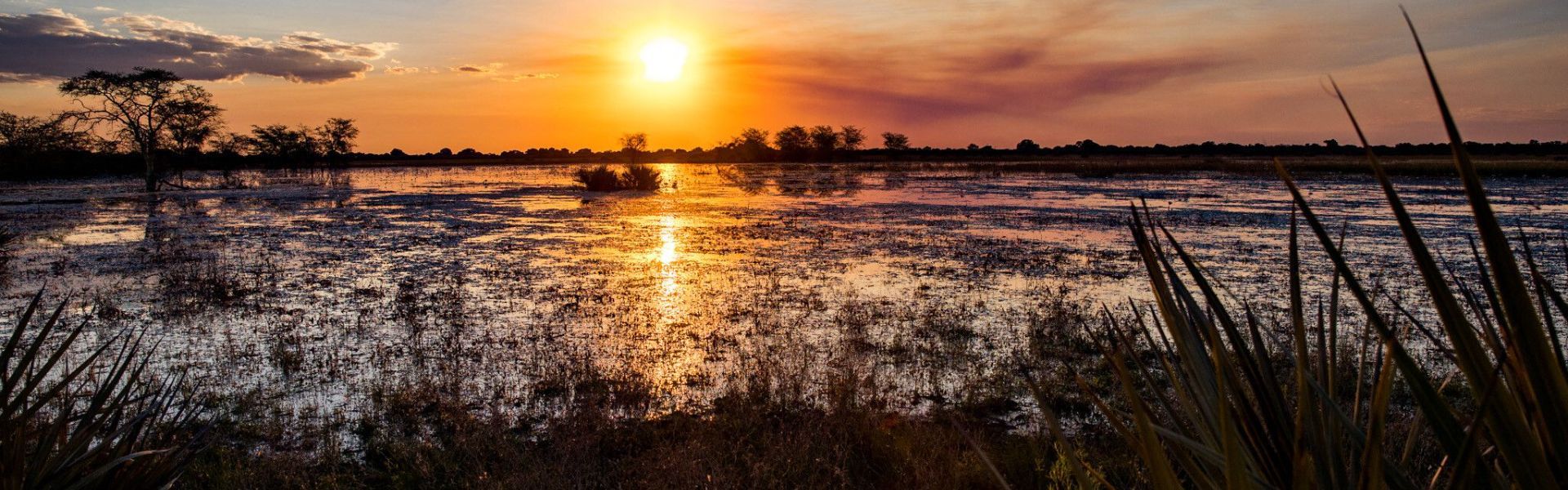
Banhine National Park is a vast protected area located in northern Gaza Province, Mozambique. Covering 7,250 square kilometres, it is renowned for its inland wetlands that serve as a vital water source for the surrounding drylands. Despite the region’s low annual rainfall of about 430 millimetres, the park’s unique ecosystem of pans and wetlands makes it a crucial sanctuary for wildlife and biodiversity.
History
The park was officially established on 26 June 1973, marking Mozambique’s commitment to conservation. During the civil wars of the 1980s and early 1990s, wildlife populations suffered greatly, but efforts to restore the park have continued. In 2013, the boundaries were updated to reflect the presence of human communities within the reserve, ensuring more practical management and conservation strategies. This adjustment also reinforced the park’s role in the broader Great Limpopo Transfrontier Conservation Area.
Ecology
The landscape of Banhine is defined by its expansive wetlands, seasonal pans, and semi-arid terrain. These pans vary from salty to fresh, supporting diverse ecological niches. Water flows from the northwest near the Zimbabwe border into the wetlands and eventually into the Changane River. The terrain alternates between dry plains and lush wetland zones, creating a dynamic environment that shifts dramatically with seasonal rainfall.
Wildlife
Banhine hosts a remarkable variety of species. Historically, it was home to Cape buffalo, sable, tsessebe, hartebeest, Selous’ zebra, and wildebeest, though many populations were decimated during wartime. Today, the park still shelters endangered wattled cranes and numerous migratory birds. Surveys have confirmed healthy populations of ostrich, kudu, impala, reedbuck, duiker, steenbok, porcupine, warthog, and oribi. Predators such as lions, leopards, cheetahs, servals, and spotted hyenas roam the reserve, maintaining ecological balance. The wetlands also support 18 fish species, including African lungfish and barbel, which have adapted to survive drought conditions.
Surrounding Areas
Administratively, the park spans Chicualacuala, Chigubo, and Mabalane districts. It is part of the Great Limpopo Transfrontier Park, linking Mozambique’s Banhine, Zinave, and Limpopo parks with Zimbabwe’s Gonarezhou and South Africa’s Kruger National Park. This transboundary conservation area stretches from the Drakensberg Mountains to the Save River Estuary, creating one of Africa’s largest protected ecosystems.
Activities
Game Drives → Visitors can explore the park’s diverse habitats, spotting antelopes, predators, and birdlife across the wetlands and plains.
Birdwatching → With migratory species and rare birds like wattled cranes, the park is a paradise for ornithologists and enthusiasts.
Camping → Adventurers can immerse themselves in the wilderness by camping in designated areas, experiencing the park’s tranquility.
Photography → The contrasting landscapes of wetlands and dry plains, combined with wildlife diversity, provide stunning photographic opportunities.
Cultural Visits → Nearby communities offer insights into traditional Mozambican life, complementing the natural experience with cultural depth.
Best Time to Visit
Dry Season (May–October) → Ideal for wildlife viewing as animals congregate around remaining water sources, and roads are more accessible.
Wet Season (November–March) → The park transforms into lush wetlands, attracting migratory birds, though access may be challenging due to flooding.
Transitional Months (April, early November) → Offer a balance of greenery and accessibility, with fewer visitors and unique photographic opportunities.
Visitor Tips
Vehicles → A sturdy 4x4 is essential due to rough terrain and seasonal flooding.
Supplies → Carry sufficient food, water, and fuel, as facilities inside the park are limited.
Clothing → Light, breathable clothes for the heat, plus warmer layers for cool nights.
Rules & Safety → Respect park regulations, avoid disturbing wildlife, and follow guides’ instructions.
Community Support → Engage with local initiatives outside the park, supporting resettlement efforts and sustainable livelihoods.