
Ultimate Guide to Limpopo Safari
Find Limpopo Safari Tours from Verified Mozambique Operators
The Ultimate Guide to Limpopo Safari
Magnificent Mozambique National Parks
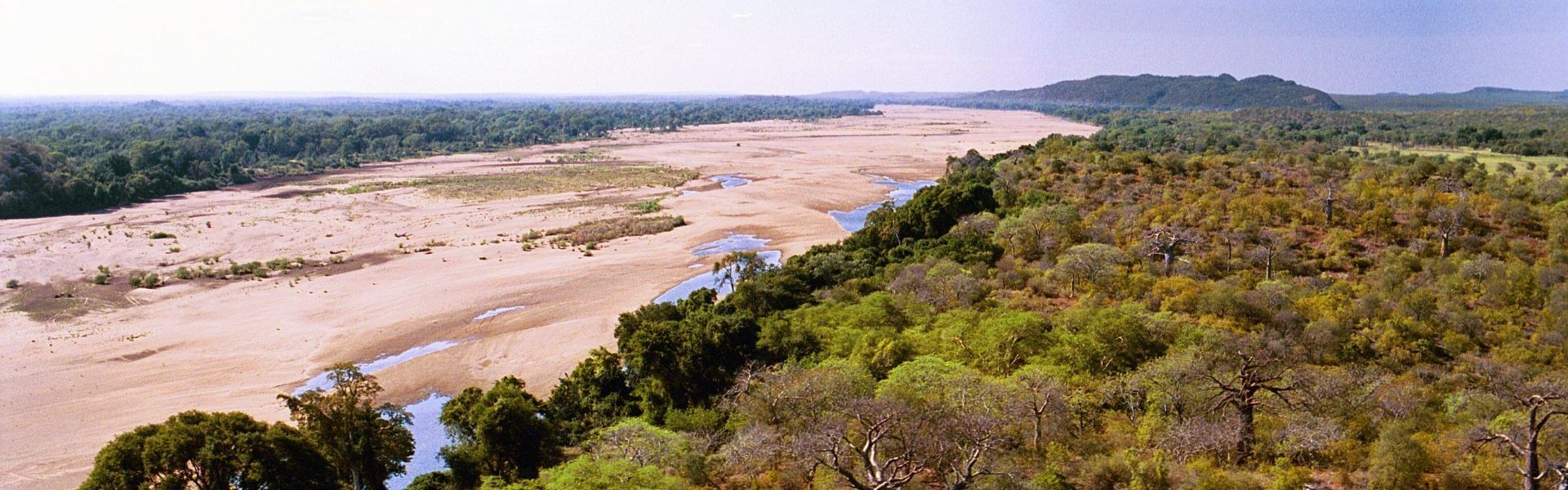
Limpopo National Park (Parque Nacional do Limpopo) is a protected area in Gaza Province, Mozambique, established in 2002 when the government converted Coutada 16 from a hunting concession into a national park. Covering vast savannahs, river systems, and wilderness zones, it forms part of the Great Limpopo Transfrontier Park alongside South Africa’s Kruger National Park and Zimbabwe’s Gonarezhou National Park. This transboundary conservation area is one of Africa’s largest, linking ecosystems and communities across borders.
History
The park’s creation was supported by international funding, including R42 million from Germany, which helped establish fencing, anti-poaching units, and infrastructure. Limpopo National Park was divided into three zones: a tourist zone, a wilderness zone, and a resource utilization zone. In 2001, translocation of animals from Kruger National Park began, strengthening wildlife populations. By 2003, the government initiated resettlement plans for villages within the Shingwedzi River watershed, though progress has been gradual. Tourism development followed, with facilities such as Machampane tented camp, wilderness trails, eco-trails, and campsites opening from 2005 onward. Phase two of tourism expansion began in 2008, focusing on concessions in Boala, Madonse, and Massingir.
Ecology
The park spans diverse landscapes across Chicualacuala, Massingir, and Mabalane districts, covering over 10,000 square kilometres. Its ecosystems include savannah plains, river valleys, and wetlands, with the Limpopo River forming the northern boundary. The Massingir Dam in the south adds aquatic habitats, while buffer zones connect with surrounding communal lands and reserves. As part of the Great Limpopo Transfrontier Park, Limpopo’s ecology is interlinked with Kruger and Gonarezhou, creating a vast corridor for wildlife migration and genetic diversity.
Wildlife
Limpopo National Park shelters a wide range of iconic African species. Elephants, lions, leopards, and Cape wild dogs roam its wilderness, alongside rhinoceroses, buffalo, giraffes, zebras, wildebeest, kudu, and hippos. Predators such as spotted hyenas thrive, while smaller mammals like mongoose and oribi add to biodiversity. The translocation of animals from Kruger has bolstered populations, ensuring the park remains a vital stronghold for large mammals and carnivores.
Surrounding Areas
The park is administratively divided among Chicualacuala, Massingir, and Mabalane districts. It is part of the Great Limpopo Transfrontier Park, a 35,000 square kilometre peace park linking Mozambique, South Africa, and Zimbabwe. This network includes Kruger National Park, Gonarezhou National Park, Manjinji Pan Sanctuary, Malipati Safari Area, and communal lands such as Sengwe in Zimbabwe and Makuleke in South Africa. The Giriyondo Border Post, opened in 2004, facilitates cross-border tourism between Mozambique and South Africa.
Activities
Game Drives: Explore savannahs and river valleys while spotting elephants, lions, and other large mammals.
Wilderness Trails: The Machampane wilderness trail offers immersive trekking experiences through pristine landscapes.
Eco-Trails: The Shingwedzi 4×4 eco-trail provides adventurous routes for off-road enthusiasts.
Camping: Sites like Aguia Pesqueira and Campismo Albufeira allow visitors to experience the park’s wilderness overnight.
Hiking: Trails around Massingir Dam combine scenic views with opportunities to encounter wildlife.
Cultural Visits: Engage with local communities, learning about traditions and the challenges of resettlement.
Best Time to Visit
Dry Season (May–October): Best for wildlife viewing as animals gather near water sources and roads are more accessible.
Wet Season (November–March): Lush vegetation and active wildlife, though heavy rains may make travel more difficult.
Transitional Months (April, early November): Balanced conditions with fewer tourists and excellent opportunities for photography.
Visitor Tips
Access: The park headquarters are in Massingir, with road connections to Kruger National Park via the Giriyondo Border Post.
Vehicles: A 4x4 is recommended for eco-trails and remote areas.
Supplies: Carry food, water, and essentials, as facilities are limited outside designated camps.
Clothing: Light clothing for the heat, sturdy boots for trails, and rain gear during wet months.
Safety: Respect park rules, avoid disturbing wildlife, and travel with guides for the best experience.
Community Support: Participate in local initiatives, supporting resettlement programs and conservation-led livelihoods.