
Ultimate Guide to Magoe Safari
Find Magoe Safari Tours from Verified Mozambique Operators
The Ultimate Guide to Magoe Safari
Magnificent Mozambique National Parks
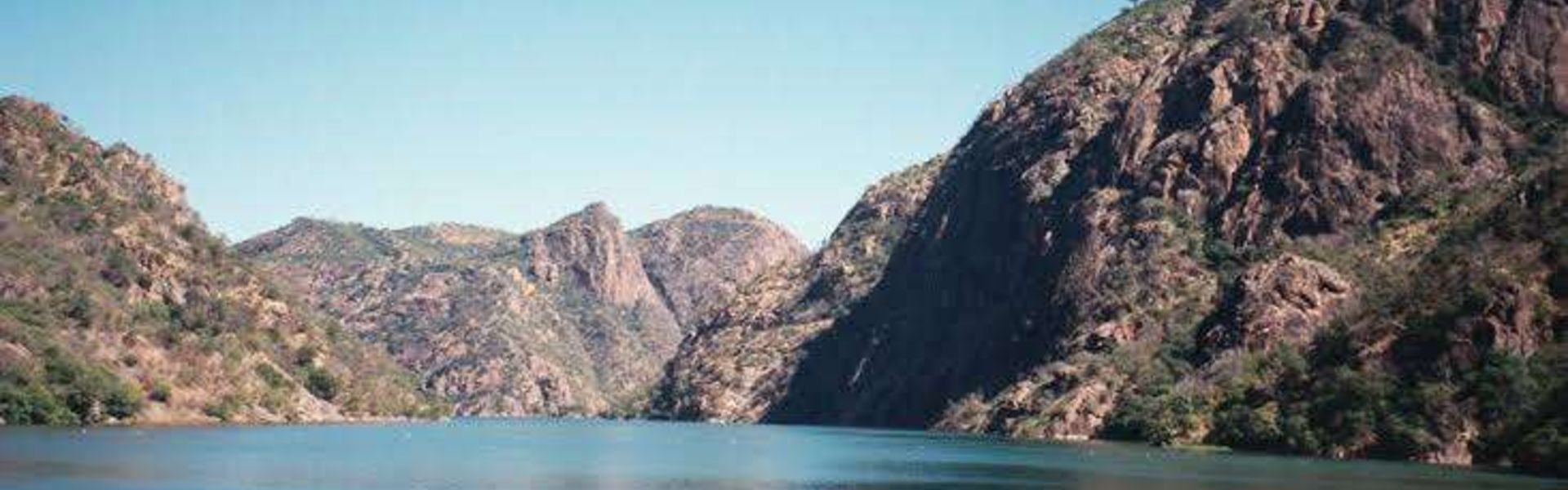
Magoe National Park is a protected area located in Tete Province, Mozambique. Officially proclaimed in December 2013, the park covers 3,559 square kilometres along the southern bank of the vast Cahora Bassa Dam. Its unique position beside one of Africa’s largest reservoirs makes it a vital conservation area, blending aquatic and terrestrial ecosystems while supporting both biodiversity and local livelihoods.
History
Before its designation as a national park, the area was part of the Tchuma Tchato Community Wildlife Management Program, which pioneered community-based conservation in Mozambique. The proclamation of Magoe National Park in 2013 marked a significant milestone, elevating its protection status and integrating it into Mozambique’s broader conservation strategy. This transition aimed to safeguard wildlife populations, regulate resource use, and promote sustainable tourism while maintaining community involvement.
Ecology
The park’s ecology is shaped by its proximity to Cahora Bassa Dam, which influences local hydrology and vegetation. The landscape includes savannah woodlands, riverine forests, and grasslands, interspersed with rocky outcrops and wetlands. Seasonal variations create dynamic habitats, supporting both aquatic and terrestrial species. The dam itself provides a vast aquatic environment that sustains fish populations and attracts waterbirds, while the surrounding land supports diverse flora adapted to semi-arid conditions.
Wildlife
Magoe National Park is home to a variety of iconic African species. Elephants, buffalo, and antelopes roam its savannahs, while predators such as lions and leopards maintain ecological balance. The Cahora Bassa Dam supports rich fish populations, which in turn attract crocodiles and hippos. Birdlife is abundant, with waterbirds and raptors thriving in the park’s mosaic of habitats. The integration of aquatic and terrestrial ecosystems makes Magoe a unique refuge for biodiversity in Mozambique.
Surrounding Areas
The park lies on the southern bank of Cahora Bassa Dam, one of Africa’s largest hydroelectric reservoirs. Its location in Tete Province connects it to regional conservation initiatives and community programs. The dam not only shapes the park’s ecology but also provides economic benefits to Mozambique, linking conservation with energy production and local livelihoods.
Activities
Game Drives: Visitors can explore savannahs and woodlands, spotting elephants, antelopes, and predators.
Birdwatching: The park’s wetlands and dam attract diverse bird species, making it ideal for ornithologists.
Fishing: Cahora Bassa Dam offers opportunities for recreational fishing, with abundant fish species.
Boat Excursions: Scenic trips on the dam provide views of aquatic wildlife and dramatic landscapes.
Camping: Designated sites allow visitors to immerse themselves in the park’s wilderness.
Cultural Visits: Engage with local communities involved in conservation, learning about traditional practices and the Tchuma Tchato legacy.
Best Time to Visit
Dry Season (May–October): Best for wildlife viewing as animals gather near water sources and roads are more accessible.
Wet Season (November–March): Lush vegetation and active birdlife, though heavy rains may limit access.
Transitional Months (April, early November): Balanced conditions with fewer tourists and excellent opportunities for photography.
Visitor Tips
Access: The park is reachable via Tete Province, with routes connecting to Cahora Bassa Dam.
Vehicles: A 4x4 is recommended for navigating rough terrain and seasonal conditions.
Supplies: Carry food, water, and essentials, as facilities are limited.
Clothing: Light clothing for hot days, sturdy boots for trails, and rain gear during wet months.
Safety: Respect park rules, avoid disturbing wildlife, and travel with guides for the best experience.
Community Support: Participate in local initiatives, supporting conservation and sustainable livelihoods tied to the park.