
Ultimate Guide to Chimanimani Safari
Find Chimanimani Safari Tours from Verified Mozambique Operators
The Ultimate Guide to Chimanimani Safari
Magnificent Mozambique National Parks
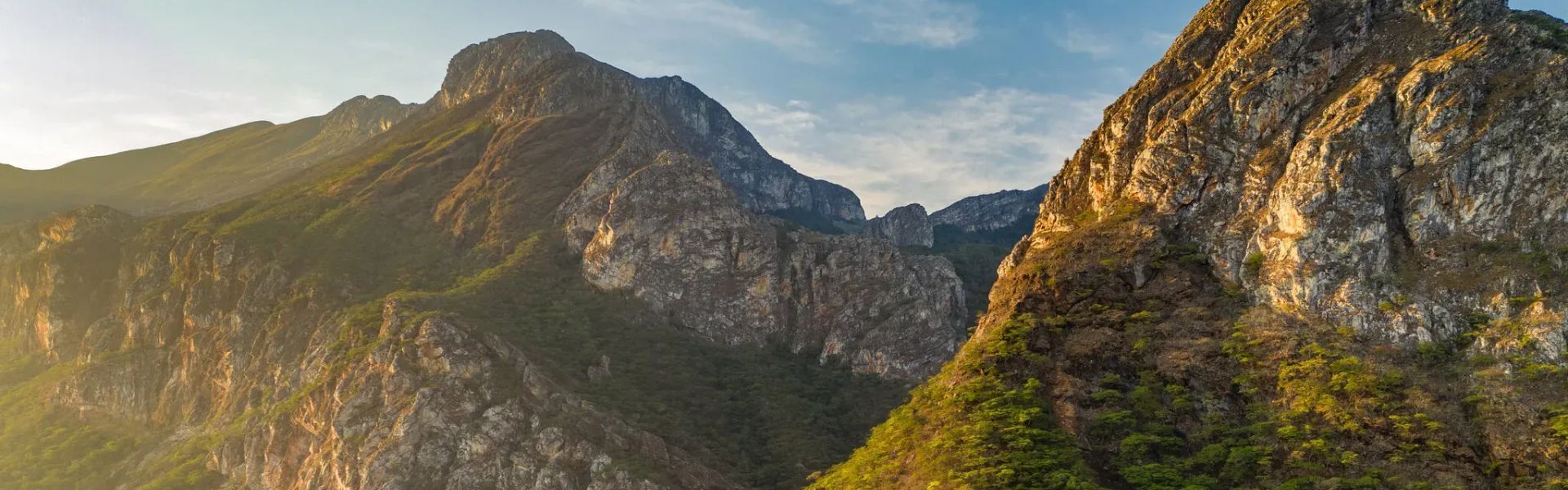
Chimanimani National Park, known in Portuguese as Parque Nacional de Chimanimani, is a protected area in Manica Province, Mozambique, located near the city of Chimoio. Nestled within the Chimanimani Mountains along the border with Zimbabwe, the park forms part of the Chimanimani Transfrontier Park together with Zimbabwe’s counterpart. It is celebrated for its rugged mountain landscapes, cultural heritage, and unique biodiversity.
History
The area was first designated as a national reserve in 2003, reflecting Mozambique’s growing commitment to conservation. In 2020, it was elevated to full national park status, strengthening its protection and recognition. The park also incorporates older forest reserves such as Moribane, Mpunga, and Maronga, which were established in 1953, highlighting a long-standing conservation legacy in the region.
Ecology
Covering 656 square kilometres, Chimanimani National Park protects Mozambique’s portion of the Chimanimani Mountains, including Monte Binga, the country’s highest peak at 2,436 metres. The park’s buffer zone extends over 1,723 square kilometres into lower-elevation areas, encompassing diverse ecosystems such as montane forests, grasslands, and river valleys. This ecological variety supports rare species and provides critical habitats for both flora and fauna.
Wildlife
The park is home to rare and distinctive species, including the red-capped robin-chat and Welwitsch’s bat. Its montane forests and rugged terrain also shelter a variety of other birds, small mammals, and reptiles, making it a haven for biodiversity. The combination of high-altitude ecosystems and forest reserves ensures that both endemic and migratory species find refuge here.
Surrounding Areas
Chimanimani National Park lies close to Chimoio, the capital of Manica Province, and connects with Zimbabwe’s Chimanimani National Park to form the Chimanimani Transfrontier Park. The buffer zone includes the Moribane, Mpunga, Maronga, and Zomba forest reserves, which extend conservation efforts into surrounding landscapes. This cross-border linkage strengthens ecological corridors and cultural ties between Mozambique and Zimbabwe.
Activities
Game Drives: Visitors can explore the park’s rugged terrain and forest reserves, spotting rare bird species and small mammals.
Hiking and Trekking: The Chimanimani Mountains, including Monte Binga, offer challenging trails and breathtaking views for adventurers.
Birdwatching: With species like the red-capped robin-chat, the park is a rewarding destination for ornithologists.
Cultural Visits: Local communities preserve cave paintings, traditions, and beliefs, offering insights into the region’s cultural identity.
Photography: The dramatic mountain landscapes, forests, and cultural heritage sites provide stunning opportunities for photographers.
Best Time to Visit
Dry Season (May–October): Best for hiking and trekking, with clear skies and easier access to mountain trails.
Wet Season (November–March): Lush vegetation and flowing rivers enhance the scenery, though trails may be slippery and more challenging.
Transitional Months (April, early November): Offer a balance of greenery and accessibility, with fewer visitors and unique photographic opportunities.
Visitor Tips
Access: The park is reachable from Chimoio, with road connections to northern, southern, and central Mozambique, as well as Zimbabwe.
Vehicles: A reliable vehicle is recommended for reaching remote areas and forest reserves.
Supplies: Carry food, water, and essentials, as facilities within the park are limited.
Clothing: Hiking gear, sturdy boots, and layered clothing are essential for mountain conditions.
Respect Culture: Visitors should honor local traditions and cave paintings, ensuring cultural heritage is preserved.