
Ultimate Guide to Bazaruto Archipelago Safari
Find Bazaruto Archipelago Safari Tours from Verified Mozambique Operators
The Ultimate Guide to Bazaruto Archipelago Safari
Magnificent Mozambique National Parks
Bazaruto Archipelago National Park (BANP) is a marine and island protected area located off the coast of Inhambane Province, Mozambique. Established on 25 May 1971, it encompasses five islands—Bazaruto, Benguerra, Margaruque, Santa Carolina (Paradise Island), and Banque—along with surrounding ocean waters. Covering a vast expanse of marine ecosystems, BANP is celebrated for its pristine coral reefs, rare dugong population, and diverse marine life, making it one of the most unique conservation areas in the Western Indian Ocean.
History
BANP was proclaimed in 1971 to safeguard dugongs, marine turtles, and their fragile habitats. Over the decades, the park expanded its conservation scope to include coral reefs, marine birds, and terrestrial species. Despite challenges such as illegal fishing, poaching, and poorly regulated tourism, the park has remained a cornerstone of Mozambique’s conservation efforts. In December 2017, management was transferred to African Parks in partnership with Mozambique’s National Administration of Conservation Areas, ushering in a new era of structured conservation and community engagement.
Ecology
The archipelago’s ecology is defined by tropical climates, towering dunes, forests, savannahs, inland lakes, and wetlands. These habitats support endemic gastropods, lizards, and over 240 bird species, including coucals, crab-plovers, and sea eagles. Marine ecosystems thrive with six dolphin species, marlins, barracudas, whale sharks, and humpback whales. Inland lakes host crocodiles, while coral reefs remain among the least disturbed in the Indian Ocean. BANP is the only known nesting site in the western Indian Ocean for all five regional turtle species, and it protects the largest viable dugong population in the region, now listed as critically endangered.
Wildlife
BANP’s wildlife is both terrestrial and marine. The islands host endemic reptiles and migratory water birds, while the surrounding waters teem with over 2,000 fish species and 500 mollusc species. Dugongs, marine turtles, dolphins, and whale sharks are among its most iconic species. Seasonal spectacles include humpback whales in winter and whale sharks between October and April. Inland freshwater lakes add crocodiles to the mix, while coral reefs shelter countless marine organisms. The park also protects critically endangered rhino rays, including guitarfish and wedgefish, highlighting its global importance for marine conservation.
Surrounding Areas
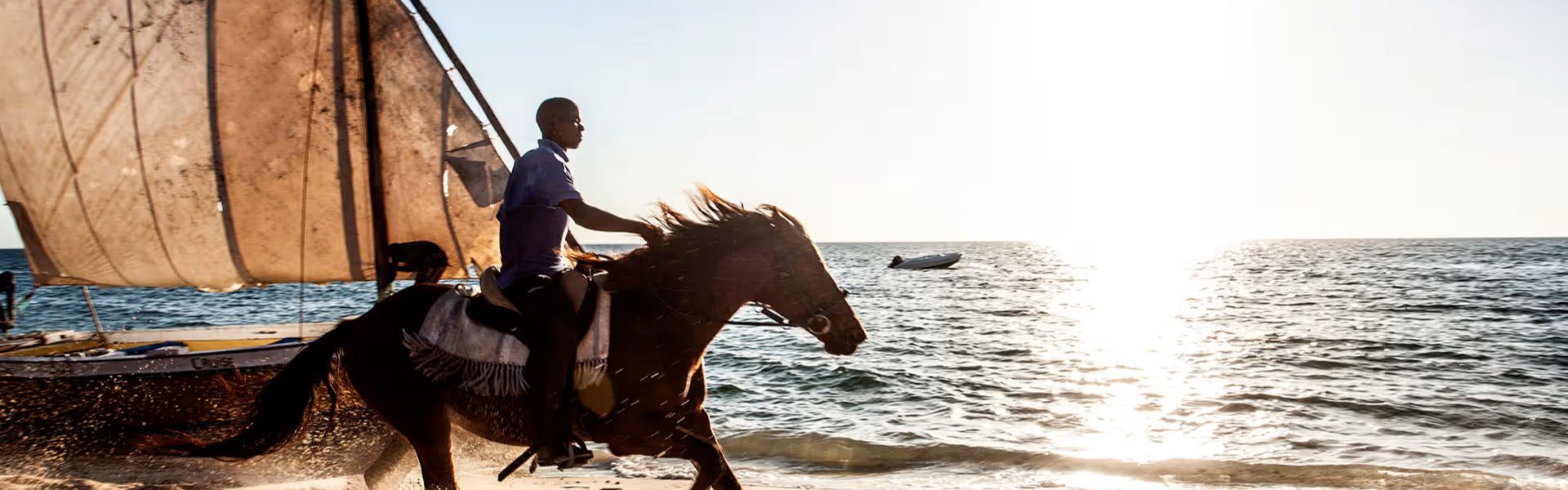
The archipelago lies off the Vilanculos and Inhassoro districts, with three of the five islands inhabited by local communities. BANP is a vital part of Mozambique’s coastal heritage, blending natural beauty with cultural traditions such as dhow fishing. Its proximity to Vilanculos makes it accessible to tourists, while its integration into national and international conservation networks strengthens its ecological significance.
Activities
Diving and Snorkeling → With 30-metre water clarity and vibrant coral reefs, BANP offers world-class underwater experiences for marine enthusiasts.
Marine Wildlife Watching → Visitors can spot dugongs, dolphins, turtles, whale sharks, and humpback whales depending on the season.
Birdwatching → Over 240 bird species, including migratory water birds, make the park a paradise for ornithologists.
Island Exploration → Each island offers unique landscapes, from dunes and forests to inland lakes, perfect for guided tours.
Beach Leisure → Soft white sands and turquoise waters provide idyllic settings for relaxation and photography.
Cultural Encounters → Local communities share traditional fishing practices and cultural heritage, enriching the visitor experience.
Best Time to Visit
Dry Season (May–October) → Ideal for diving, snorkeling, and whale watching, with calm seas and excellent visibility.
Wet Season (November–March) → Lush vegetation and active marine life, including turtle nesting, though occasional storms may affect travel.
Transitional Months (April, early November) → Balanced conditions with fewer tourists, offering both accessibility and rich wildlife encounters.
Visitor Tips
Transport → Access is via Vilanculos, with boats or small planes connecting to the islands. Plan logistics carefully.
Supplies → Bring essentials, though hotels and lodges provide services; remote areas may lack facilities.
Clothing → Light tropical wear, swim gear, and sun protection are crucial, plus warmer layers for evenings.
Rules & Safety → Respect marine life, avoid disturbing nesting turtles, and follow conservation guidelines.
Community Support → Engage with local initiatives, supporting sustainable fishing and conservation-led livelihoods.