
Ultimate Guide to Gorongosa Safari
Find Gorongosa Safari Tours from Verified Mozambique Operators
The Ultimate Guide to Gorongosa Safari
Magnificent Mozambique National Parks
Gorongosa National Park lies at the southern end of the Great African Rift Valley in central Mozambique, covering more than 4,000 square kilometres of valley floor and surrounding plateaus. Fed by rivers from nearby Mount Gorongosa, the park’s diverse ecosystems range from savannahs and grasslands to montane forests and rainforests. Once known for hosting some of Africa’s densest wildlife populations, Gorongosa is today a symbol of resilience and ecological restoration.
History
The park’s origins date back to 1920 when the Mozambique Company set aside land as a hunting reserve. By 1960, it was proclaimed a national park, and the Chitengo camp became a thriving tourist hub. Scientific studies in the 1960s revealed extraordinary wildlife numbers, including thousands of elephants, buffalo, and lions. However, the Mozambican Civil War (1977–1992) devastated the park, reducing large mammal populations by over 95% and destroying infrastructure. Post-war rehabilitation began in 1994, and in 2004 the Carr Foundation partnered with the Mozambican government to restore Gorongosa. Since then, wildlife numbers have rebounded, infrastructure has been rebuilt, and species such as leopards, African wild dogs, and hyenas have been reintroduced.
Ecology
Gorongosa’s ecology is shaped by seasonal flooding and a mosaic of soil types. Grasslands, acacia savannahs, dry forests, and rain-filled pans dominate the valley, while the plateaus host miombo woodlands and montane forests. Mount Gorongosa adds rainforests and riverine habitats, enriching biodiversity. Lake Urema, at the heart of the park, expands dramatically during the rainy season, creating dynamic floodplains that sustain diverse wildlife. This constant cycle of expansion and contraction makes Gorongosa one of Africa’s most complex ecosystems.
Wildlife
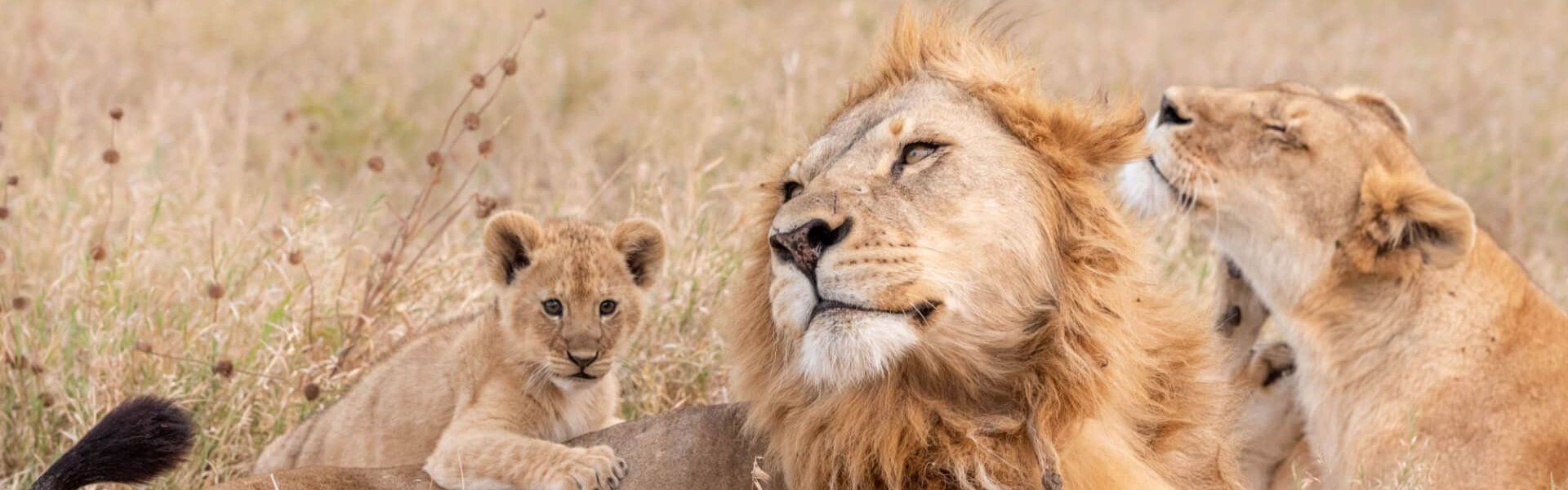
The park is home to a remarkable diversity of species. Historically, it supported vast herds of elephants, buffalo, wildebeest, zebras, and antelopes, alongside large predator populations. Civil war decimated these numbers, but restoration efforts have brought recovery. Today, Gorongosa shelters lions, elephants, hippos, zebras, waterbuck, and reedbuck, while reintroduction programs have restored leopards, African wild dogs, and spotted hyenas. Over 500 bird species thrive here, including crowned cranes and bushbuck that use termite mounds for shade. The park’s biodiversity makes it a living laboratory for conservation.
Surrounding Areas
Gorongosa sits in central Mozambique, west of Mount Gorongosa, and is part of the Great Rift Valley system. Its buffer zones extend into surrounding plateaus and communities, linking ecological corridors with cultural landscapes. The park’s restoration project also emphasizes community development, ensuring that local populations benefit from conservation through jobs, education, and sustainable livelihoods.
Activities
Game Drives: Explore savannahs, floodplains, and forests while spotting elephants, lions, and antelopes.
Birdwatching: With over 500 species, Gorongosa is a paradise for bird enthusiasts, from crowned cranes to raptors.
Hiking and Trekking: Trails around Mount Gorongosa and limestone gorges offer breathtaking scenery and adventure.
Cultural Visits: Engage with local communities, learning about traditions and the park’s role in regional history.
Photography: Capture dramatic landscapes, wildlife, and seasonal transformations of Lake Urema.
Conservation Tours: Visitors can witness ongoing restoration projects and species reintroductions firsthand.
Best Time to Visit
Dry Season (May–October): Best for wildlife viewing as animals gather around shrinking water sources.
Wet Season (November–March): The park transforms into lush wetlands, ideal for birdwatching, though access may be limited.
Transitional Months (April, early November): Offer balanced conditions, fewer visitors, and unique photographic opportunities.
Visitor Tips
Vehicles: A 4x4 is recommended for navigating rough terrain and seasonal flooding.
Supplies: Carry food, water, and essentials, as facilities are limited outside Chitengo camp.
Clothing: Light clothing for the heat, sturdy boots for trekking, and rain gear during wet months.
Safety: Follow park rules, respect wildlife, and travel with guides for the best experience.
Community Support: Participate in local initiatives, supporting education and sustainable livelihoods tied to conservation.