
Ultimate Guide to Quirimbas Safari
Find Quirimbas Safari Tours from Verified Mozambique Operators
The Ultimate Guide to Quirimbas Safari
Magnificent Mozambique National Parks
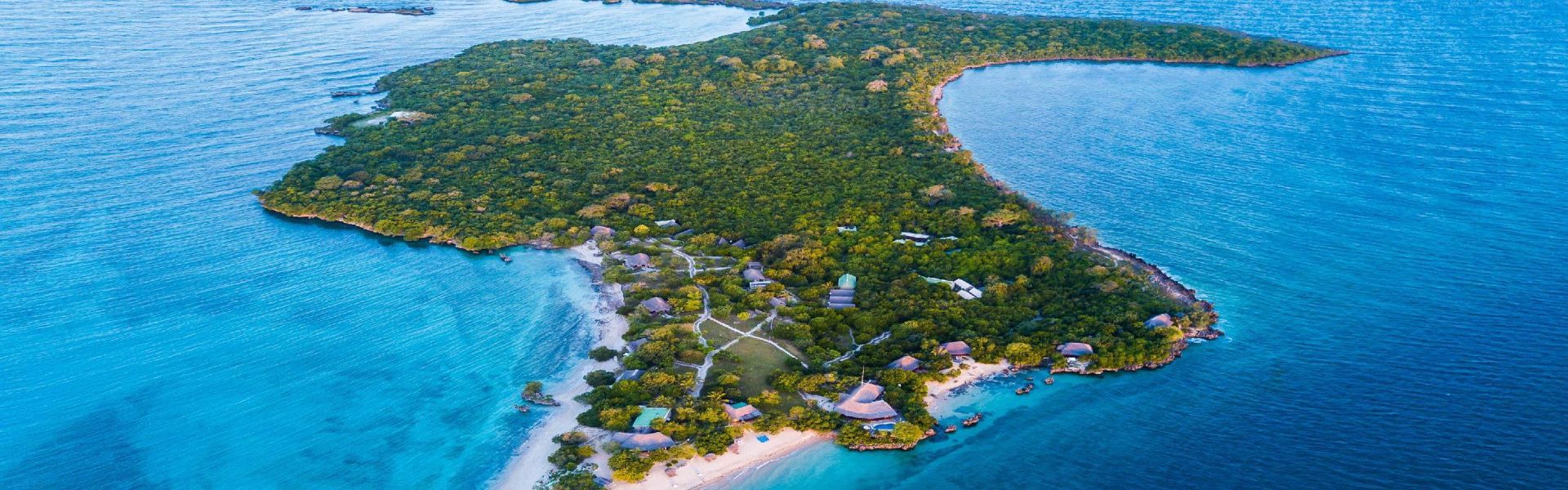
Quirimbas National Park (Hifadhi ya Taifa ya Kirimba in Swahili) is a protected area in Cabo Delgado Province, Mozambique. Established in June 2002, the park stretches for 110 kilometres along the northeast coast and encompasses the southernmost 11 islands of the Quirimbas Archipelago, as well as a significant mainland area with inselbergs in Taratibua. With its tropical climate, pristine beaches, and rich marine ecosystems, the park is a unique blend of coastal and terrestrial biodiversity.
History
The park was created in 2002 to safeguard both marine and terrestrial ecosystems, integrating islands and mainland habitats into one conservation unit. Managed initially through a partnership between the Mozambican government and the World Wide Fund for Nature (WWF), the park emphasized community involvement and eco-friendly livelihoods. WWF operated the park until 2010 and continued technical support until 2016, helping establish conservation programs and tourism infrastructure.
Ecology
Quirimbas National Park protects 913,000 hectares of diverse habitats, including coastal forests, mangroves, coral reefs, savannahs, and sea grass beds. The mainland features inselbergs and woodland areas, while the islands host beaches and coral ecosystems. This variety supports elephants, lions, leopards, crocodiles, and even African wild dogs on land, alongside marine turtles, dolphins, and over 375 fish species in the ocean. Threatened species such as pipefish and seahorses highlight the park’s global ecological importance.
Wildlife
The park’s wildlife is a striking mix of terrestrial and marine species. Sparse populations of elephants, lions, leopards, and crocodiles inhabit the mainland forests and savannahs. Marine life thrives in coral reefs and sea grass beds, with dolphins, turtles, and hundreds of fish species. The islands are particularly rich in birdlife and marine biodiversity, making Quirimbas a hotspot for conservation and research.
Surrounding Areas
Quirimbas National Park includes islands such as Ibo, Matemo, Quirimba, Quilálea, Quisiva, Mefunvo, Sencar, and Rolas. Ibo Island is especially notable for its cultural heritage, with colonial architecture and historical significance. The mainland Taratibua region adds geological diversity with inselbergs. The park’s location along Mozambique’s northeast coast connects it to broader conservation and tourism networks in the Indian Ocean.
Activities
Game Drives: Explore mainland forests and savannahs, spotting elephants, lions, and other terrestrial wildlife.
Diving and Snorkeling: Coral reefs and clear waters provide world-class underwater experiences with turtles, dolphins, and colorful fish.
Birdwatching: Coastal forests and islands host diverse bird species, ideal for ornithologists and enthusiasts.
Island Exploration: Visit Ibo Island for cultural heritage, or Quilálea and Matemo for pristine beaches and marine life.
Fishing and Boat Excursions: Eco-friendly fishing and scenic boat trips offer unique perspectives of the archipelago.
Cultural Visits: Engage with local communities, learning about traditions and sustainable practices tied to conservation.
Best Time to Visit
Dry Season (May–September): Cooler temperatures and calm seas make this the best time for diving, snorkeling, and wildlife viewing.
Wet Season (December–April): Lush vegetation and active marine life, though heavy rains may affect accessibility.
Transitional Months (October–November): Balanced conditions with fewer tourists, offering excellent opportunities for photography and exploration.
Visitor Tips
Access: The park is reachable via Pemba, with boat transfers to the islands. Plan logistics carefully.
Vehicles: A 4x4 is recommended for mainland exploration.
Supplies: Carry essentials, though accommodations range from basic cottages to luxury villas.
Clothing: Light tropical wear, swim gear, and sun protection are essential, plus rain gear during wet months.
Safety: Respect park rules, avoid disturbing marine life, and follow guides for safe exploration.
Community Support: Participate in local initiatives, supporting eco-friendly livelihoods and conservation programs.