
Ultimate Guide to Al Hoceima Safari
Find Al Hoceima Safari Tours from Verified Morocco Operators
The Ultimate Guide to Al Hoceima Safari
Magnificent Morocco National Parks
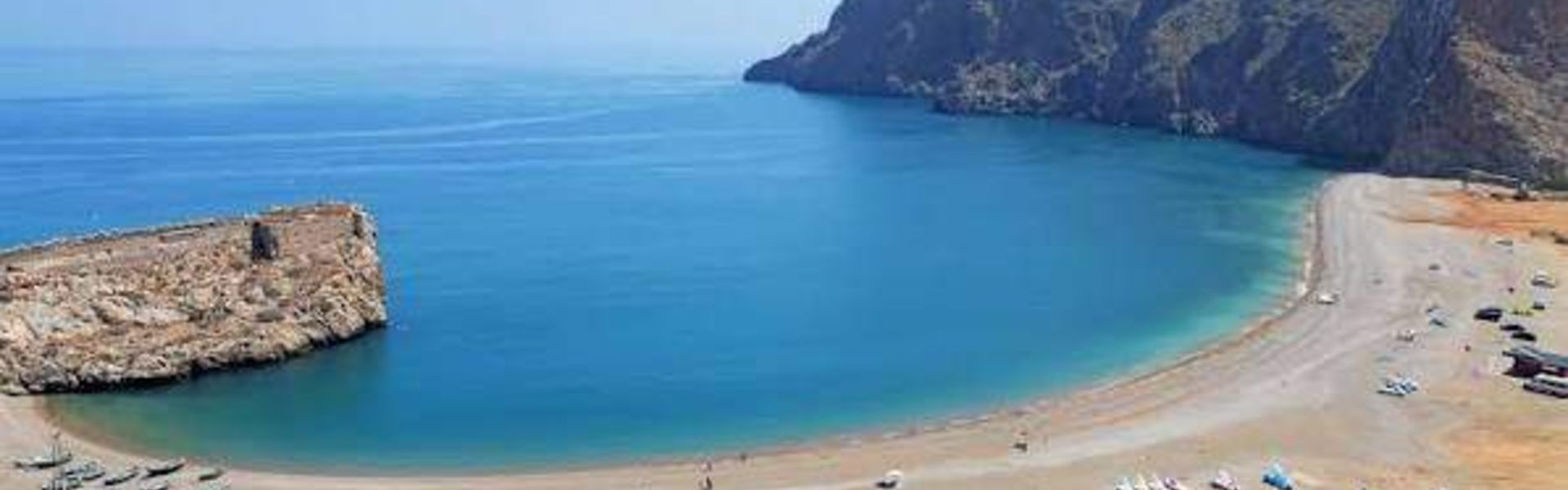
Al Hoceima National Park is a coastal and marine protected area located outside the town of Al Hoceima in northern Morocco. Established in 2004, the park covers 480 km², including 196 km² of marine territory, making it one of Morocco’s most important coastal conservation zones. Managed by the Haut-Commissariat des eaux et forêts et de la lutte contre la désertification, the park is renowned for its rugged cliffs, pristine Mediterranean coastline, and rich biodiversity both on land and at sea.
History
The park was created in 2004 as part of Morocco’s efforts to safeguard its northern coastal ecosystems. Its establishment recognized the ecological importance of the Rif mountain range and the Mediterranean marine habitats. The park also reflects Morocco’s broader conservation strategy to protect biodiversity hotspots and promote sustainable tourism along the Mediterranean coast.
Ecology
Al Hoceima National Park is divided into two zones: a terrestrial section of 284 km² located on the Ibaqouyen Rif mountain range, and a marine section of 196 km² along 50 km of Mediterranean coastline. The terrestrial landscape is dominated by limestone cliffs, rocky coasts, and mountainous terrain, while the marine zone is influenced by both Mediterranean and Atlantic currents. Vegetation includes barbary thuya, Aleppo pine, lentisk, wild olive, carob, Kermes oak, green oak, Mediterranean dwarf palm, and jujube. The marine ecosystem is rich in seaweed forests, with 264 species recorded, including Cystoseira, Laminaria, and Phyllariopsis.
Wildlife
The park hosts diverse fauna:
Seabirds: Large colonies of ospreys and other coastal birds thrive along the cliffs.
Marine Life: Dolphins (common, bottlenose, and striped) inhabit the waters, while sea caves provide shelter for the endangered Mediterranean monk seal.
Sea Turtles: Loggerhead, leatherback, and green turtles feed in the area.
Fish & Invertebrates: Over 100 fish species and the rare giant ribbed Mediterranean limpet (Patella ferruginea) are found here.
Terrestrial Fauna: Mammals and reptiles adapted to the Rif mountains complement the park’s biodiversity.
Surrounding Areas
The park lies near the town of Al Hoceima, a cultural and economic hub in northern Morocco. It spans across five communes: Bni Boufrah, Senada, Rouadi, Izemmouren, and Ait Kamara. Its location along the Rif mountains and Mediterranean coast makes it a link between inland rural communities and coastal tourism.
Activities
Hiking & Trekking: Trails through the Rif mountains and along limestone cliffs offer panoramic views of the Mediterranean.
Birdwatching: Osprey colonies and diverse seabirds make the park a prime destination for ornithologists.
Marine Excursions: Boat trips allow visitors to explore sea caves, dolphin habitats, and turtle feeding grounds.
Snorkeling & Diving: The marine zone’s seaweed forests and fish diversity provide excellent underwater experiences.
Photography: Capture dramatic cliffs, pristine coastlines, and rare wildlife.
Cultural Visits: Explore nearby towns and villages to experience Rif culture and traditions.
Best Time to Visit
Spring (March–May): Mild weather, blooming vegetation, and active birdlife.
Summer (June–August): Warm temperatures ideal for marine activities, though coastal areas may be busier.
Autumn (September–November): Pleasant climate with fewer tourists, excellent for hiking and photography.
Winter (December–February): Cooler but still accessible, with opportunities for birdwatching and quiet retreats.
Visitor Tips
Access: The park is reachable from Al Hoceima via National Road 16.
Vehicles: Standard vehicles can access most areas, though rugged terrain may require caution.
Supplies: Bring water, snacks, and essentials, as facilities within the park are limited.
Clothing: Comfortable hiking shoes, light clothing for summer, and warmer layers for cooler months.
Safety: Respect marine zones, avoid disturbing wildlife, and follow conservation guidelines.
Community Support: Engage with local guides and communities to support eco-tourism and conservation efforts.