
Ultimate Guide to Toubkal Safari
Find Toubkal Safari Tours from Verified Morocco Operators
The Ultimate Guide to Toubkal Safari
Magnificent Morocco National Parks
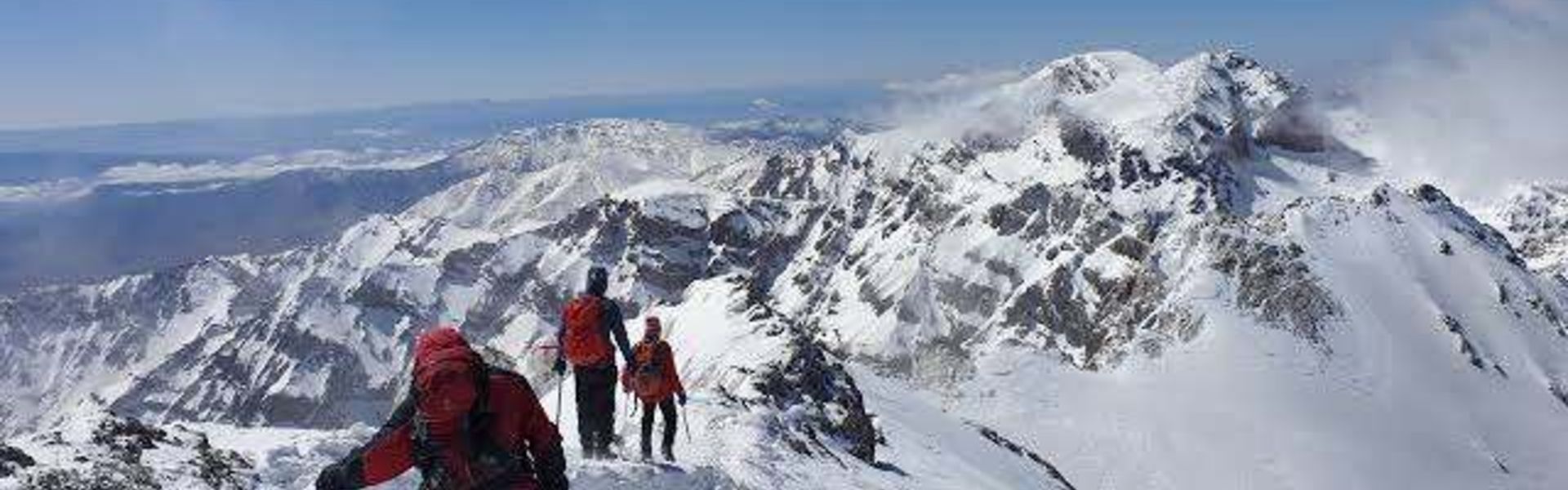
Toubkal National Park, established in 1942, is Morocco’s oldest national park and one of its most iconic natural reserves. Located in the High Atlas Mountains, about 70 km south of Marrakesh, the park covers 380 km². It is home to Jbel Toubkal, the highest peak in North Africa at 4,167 m, making it a premier destination for mountaineers, trekkers, and nature enthusiasts.
Geography
The park’s rugged terrain includes towering peaks, deep valleys, and alpine plateaus. Major mountains within the park include:
Jbel Toubkal (4,167 m) – the highest peak in North Africa.
Ouanoukrim (4,089 m) ,Plateau de Tazarhart (3,995 m), L’Aksoual (3,910 m) ,Ineghmar (3,892 m), Bou Iguenouane (3,882 m), Le Tichki (3,753 m), Azrou Tamadout (3,664 m)
The park’s landscapes range from snow-capped summits to lush valleys, with cedar, oak, and juniper forests adding seasonal colour.
Ecology
Toubkal National Park is rich in biodiversity, with ecosystems ranging from alpine meadows to Mediterranean forests. Seasonal wildflowers bloom in spring, while autumn brings vibrant colours to oak and juniper woodlands. The park is also designated an Important Bird Area (IBA) by BirdLife International, supporting populations of Barbary partridges, Levaillant’s woodpeckers, Tristram’s warblers, Moussier’s redstarts, and black-eared wheatears.
Wildlife
Birds: Barbary partridge, spectacled warbler, subalpine warbler, Sardinian warbler, Tristram’s warbler, Moussier’s redstart, and wheatears.
Mammals: Barbary macaques, wild boars, foxes, and smaller carnivores.
Flora: Atlas cedar, juniper, oak, and alpine plants adapted to high elevations.
Cultural & Historical Sites
Imlil Village: A Berber village at the foot of the mountains, serving as the main gateway to the park. It offers cultural immersion into traditional mountain life.
Ecomuseum of Toubkal: Showcases the park’s history, biodiversity, and sustainability projects.
Archaeological Sites: The park contains ancient petroglyphs, including an 8,000-year-old carving depicting the Sun as a divinity, which was damaged in 2012.
Activities
Mountaineering: Ascend Jbel Toubkal, typically a two-day climb with overnight stays in mountain refuges.
Hiking & Trekking: Explore valleys, forests, and alpine plateaus.
Birdwatching: Spot endemic and migratory species in diverse habitats.
Cultural Visits: Experience Berber traditions in Imlil and surrounding villages.
Photography: Capture snow-capped peaks, colourful forests, and traditional mountain life.
Educational Tours: Learn about conservation and sustainability at the ecomuseum.
Best Time to Visit
Spring (March–May): Wildflowers bloom, rivers flow strongly, and weather is mild.
Summer (June–August): Warm conditions, ideal for trekking, though higher elevations remain cool.
Autumn (September–November): Forests turn colourful, with clear skies and fewer visitors.
Winter (December–February): Snowy landscapes, perfect for photography and winter trekking, though conditions can be harsh.
Visitor Tips
Access: Reachable from Marrakesh via road to Imlil, the main entry point.
Vehicles: Standard cars suffice to reach Imlil; 4x4s recommended for remote tracks.
Supplies: Carry food, water, and essentials; mountain refuges provide basic accommodation.
Clothing: Warm layers for high altitudes, sturdy boots, and sun protection.
Safety: Trek with guides, especially for summit climbs; weather can change rapidly.
Community Support: Stay in local guesthouses and hire Berber guides to support sustainable tourism.