
Ultimate Guide to Souss-Massa Safari
Find Souss-Massa Safari Tours from Verified Morocco Operators
The Ultimate Guide to Souss-Massa Safari
Magnificent Morocco National Parks
Souss-Massa National Park (Parc National de Souss-Massa) is a protected area on Morocco’s Atlantic coast, created in 1991. Covering 33,800 hectares, it stretches between Agadir in the north and Sidi Ifni in the south, with the estuary of the Oued Souss marking its northern boundary and the Oued Massa near its centre. The park is globally significant for hosting the majority of the world’s remaining wild populations of the northern bald ibis (Geronticus eremita), one of the most endangered bird species.
History
The park was established to conserve Morocco’s coastal steppe, dune, and wetland habitats, which were under pressure from agriculture and urban expansion. In 1960, the area was first recognized as ecologically important, and by 1991 it was formally declared a national park. Later, BirdLife International designated the park and surrounding areas as an Important Bird Area (IBA). International cooperation has also supported conservation, with technical exchanges from Teide National Park in Tenerife, Spain.
Ecology
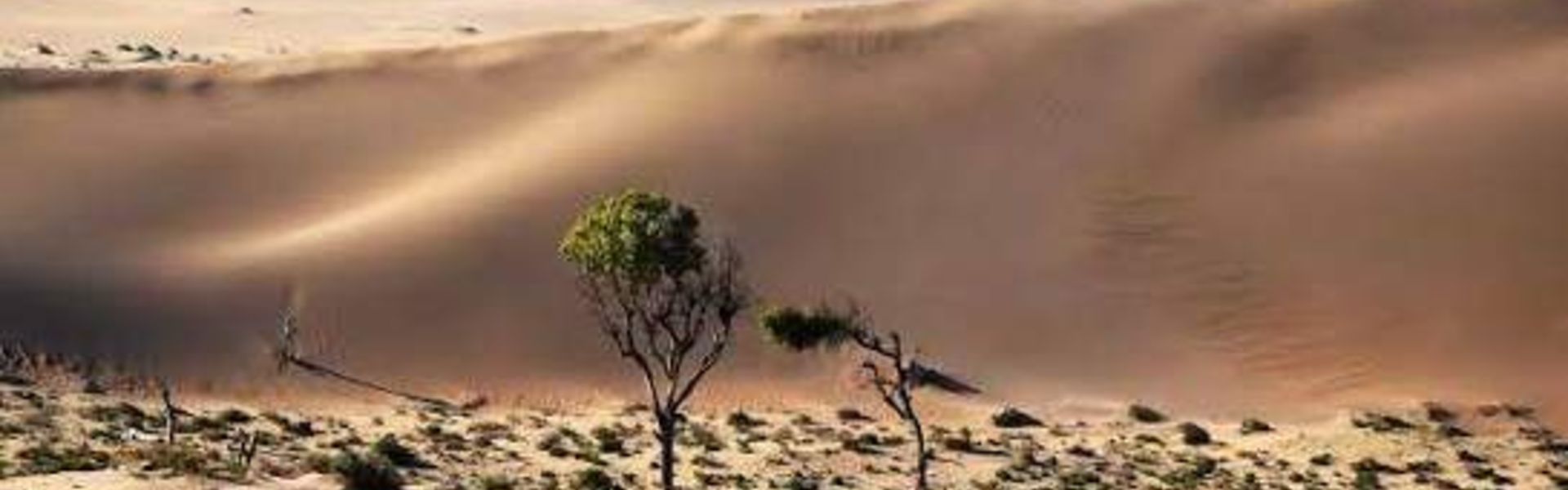
The park’s habitats include grazed steppe, dunes, beaches, and wetlands, with sandy soils and rocky outcrops. The Oued Massa river holds water year-round, supporting wetlands that are vital for breeding waterbirds. The park also encompasses 30,000 hectares near Aglou, south of the main site, which serve as feeding grounds for bald ibis colonies.
Wildlife
Birds:
Holds three of Morocco’s four colonies of northern bald ibis, together with nearby Tamri, accounting for 95% of the world’s truly wild breeding population.
Breeding species include marbled ducks (globally threatened), glossy ibis (the only known Moroccan breeding site), red-necked nightjar, thick-billed lark, Tristram’s warbler, and Moussier’s redstart.
Winter visitors include European spoonbill, Audouin’s gull, and greater flamingos.
Mammals & Ungulates: Captive-breeding programmes for scimitar oryx, addax, dama gazelle, and dorcas gazelle.
Other Species: Reintroduction of the North African ostrich, extinct north of the Sahara, is underway.
Surrounding Areas
The park lies along Morocco’s southern Atlantic coast, with Agadir as the main urban centre nearby. The town of Aglou at the southern end is part of the extended feeding grounds for ibis. The region combines coastal fishing villages with agricultural lands, making conservation a balance between human activity and ecological protection.
Activities
Birdwatching: Observe bald ibis colonies on coastal cliffs and migratory flocks in wetlands.
Nature Trails: Explore the Oued Souss and Oued Massa trails, with a visitor centre at Oued Massa.
Wildlife Viewing: Visit enclosures for gazelles, oryx, and ostriches.
Photography: Capture ibis colonies, flamingos, and diverse coastal landscapes.
Eco-Tourism: Participate in guided tours highlighting conservation projects.
Best Time to Visit
Winter (November–February): Peak season for migratory birds, with large flocks in wetlands.
Spring (March–May): Breeding season for ibis and other species, with mild weather.
Summer (June–August): Hot inland but cooler along the coast; fewer migratory birds.
Autumn (September–October): Transitional season with balanced conditions and fewer visitors.
Visitor Tips
Access: Easily reachable from Agadir; National Route 1 runs along the park.
Vehicles: Standard cars can access main areas; 4x4s useful for remote tracks.
Supplies: Carry water and essentials; visitor centres provide basic information.
Clothing: Light wear for daytime, warm layers for evenings, and sun protection.
Safety: Respect bird colonies and avoid disturbing nesting sites.
Community Support: Engage with local eco-tourism initiatives to support conservation and livelihoods.
Threats
The park faces pressures from population growth, summer chalets near Aglou, and planned coastal developments. A large hotel project at Tifnit was suspended due to its impact on bald ibis feeding grounds, showing the ongoing tension between development and conservation.