
Ultimate Guide to Talassemtane Safari
Find Talassemtane Safari Tours from Verified Morocco Operators
The Ultimate Guide to Talassemtane Safari
Magnificent Morocco National Parks
Talassemtane National Park is located in the Rif region of northern Morocco and forms part of the Intercontinental Biosphere Reserve of the Mediterranean. Established in October 2004, the park was created to conserve Morocco’s last remaining fir forests and protect the unique biodiversity of the Rif Mountains. It covers 589.5 km² (228 sq mi) and is recognized internationally for its ecological importance, having been added to the UNESCO World Heritage Tentative List in 1998 under the “natural” category.
Geography
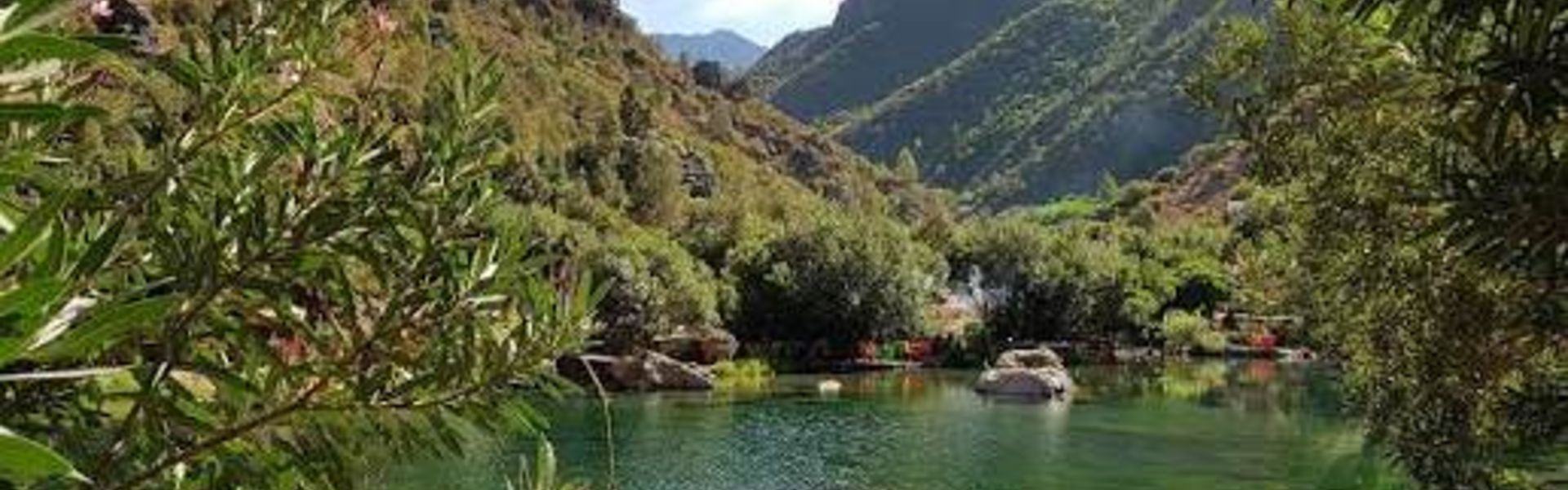
The park’s elevation ranges between 350–1,050 m (1,150–3,440 ft), encompassing rugged mountain terrain, valleys, and river systems. Its landscapes include limestone cliffs, deep gorges, and lush forests. The park is situated close to Chefchaouen, one of Morocco’s most popular tourist destinations, making it easily accessible for visitors. Notable natural attractions include the Bridge of God, a dramatic natural rock arch, and scenic villages such as El Kalaá and Akchour.
Ecology
Talassemtane lies within the Spanish/Maghrebi biodiversity hotspot, hosting over 1,380 plant species, 47 of which are endemic to Morocco. The park is the only place in Morocco where Spanish firs (Abies pinsapo var. marocana) grow naturally, under strict protection. Other notable flora include the endangered Atlas cedar (Cedrus atlantica) and the rare Andalusian belladonna (Atropa baetica). The diversity of habitats—from fir forests to Mediterranean scrub—supports a wide range of wildlife.
Wildlife
Birds: Over 100 bird species have been recorded, including the bearded vulture, Barbary partridge, red-necked nightjar, Levaillant’s woodpecker, subalpine warbler, Sardinian warbler, spotless starling, Moussier’s redstart, and black-eared wheatear. The park is designated an Important Bird Area (IBA) by BirdLife International.
Mammals: Barbary macaques are a flagship species, alongside smaller mammals adapted to forest and mountain habitats.
Reptiles & Amphibians: Greek tortoises and many-scaled cylindrical skinks are among the reptiles found here.
Surrounding Areas
The park’s proximity to Chefchaouen makes it a popular hiking and eco-tourism destination. Visitors often combine cultural experiences in the blue-painted town with nature excursions into the park. The villages of Akchour and El Kalaá provide local hospitality and serve as gateways to trails and natural landmarks.
Activities
Hiking & Trekking: Trails lead to the Bridge of God, waterfalls, and mountain viewpoints.
Birdwatching: Spot rare and endemic bird species in forest and cliff habitats.
Wildlife Viewing: Observe Barbary macaques and other fauna in their natural environment.
Photography: Capture dramatic landscapes, fir forests, and wildlife.
Cultural Visits: Explore nearby villages and Chefchaouen for traditional Rif culture.
Best Time to Visit
Spring (March–May): Blooming vegetation, active birdlife, and mild weather.
Summer (June–August): Warm but pleasant in higher elevations, ideal for hiking.
Autumn (September–November): Clear skies, fewer tourists, and vibrant forest colours.
Winter (December–February): Cooler temperatures, with snow possible at higher altitudes.
Visitor Tips
Access: Easily reached from Chefchaouen; local guides are available for excursions.
Vehicles: Standard cars can reach main villages; 4x4s recommended for remote tracks.
Supplies: Carry water, snacks, and essentials, as facilities inside the park are limited.
Clothing: Comfortable hiking shoes, layered clothing for variable mountain weather, and sun protection.
Safety: Respect wildlife and stay on marked trails; cliffs and gorges can be hazardous.
Community Support: Engage with local eco-tourism initiatives to support conservation and village livelihoods.