

Ultimate Guide to Tazekka Safari
Find Tazekka Safari Tours from Verified Morocco Operators
The Ultimate Guide to Tazekka Safari
Magnificent Morocco National Parks
Tazekka National Park, located near the city of Taza in Morocco’s Middle Atlas, was established in 1950 to protect the cedar forests of Jbel Tazekka (1,980 m). Initially covering just 6.8 km², the park has since expanded to nearly 120 km², encompassing diverse landscapes such as oak forests, canyons, caves, waterfalls, and rural valleys. It is one of Morocco’s oldest national parks and remains a key site for biodiversity conservation and eco-tourism.
History
The park was created in 1950 to safeguard the isolated grove of Atlas cedars (Cedrus atlantica) on Jbel Tazekka. In 1989, its boundaries were extended to include cork oak and holm oak forests, limestone plateaus, and karstic caves. This expansion reflected Morocco’s growing commitment to protecting ecologically important areas in the Middle Atlas.
Geography
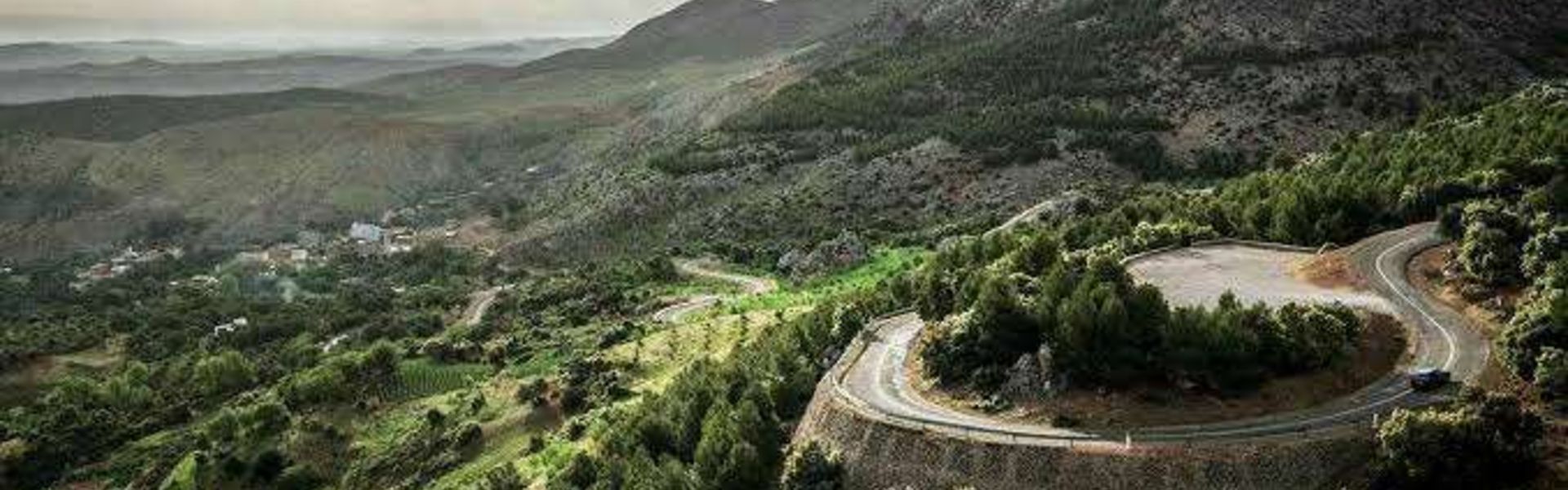
The park’s terrain is rugged, with limestone cliffs, valleys, and forested slopes. The Bab Louta reservoir lies within its boundaries, providing water resources and scenic views. Orographic lifting of moist air over the mountains results in frequent cloud cover and high precipitation—about 180 cm annually, much of it as snow. This climate supports lush vegetation compared to surrounding regions.
Ecology
Vegetation includes cedar groves, cork oak, holm oak, and Mediterranean scrub. Seasonal snowmelt feeds rivers and waterfalls, creating microhabitats for diverse flora and fauna. The park’s karstic geology has produced caves and poljes, including the famous Friuato Caves, one of Morocco’s largest cave systems.
Wildlife
Mammals: North African boars, porcupines, otters, small-spotted genets, hares, African wolves, and red foxes. The Barbary stag, once extinct locally, has been successfully reintroduced. Historically present species such as Barbary leopards, striped hyenas, and caracals are now extinct in the area.
Birds: Designated an Important Bird Area (IBA), the park supports Barbary partridges, Levaillant’s woodpeckers, subalpine and Sardinian warblers, spotless starlings, Moussier’s redstarts, and black-eared wheatears. The cirl bunting is also notable.
Reptiles & Amphibians: Various lizards, snakes, and amphibians inhabit the park’s forests and wetlands.
Geology
The northern part of the park borders the Daya Chiker polje, a limestone depression. The Friuato Caves are a highlight, with chambers, tunnels, stalactites, stalagmites, and an underground river stretching 3.8 km. The cave system maintains a constant temperature of 12–14 °C with high humidity, making it a fascinating destination for speleologists and tourists.
Surrounding Areas
The park lies close to Taza, a historic city that serves as a gateway to the Middle Atlas. Rural landscapes around the park include traditional villages and agricultural lands, offering cultural encounters alongside natural exploration.
Activities
Hiking & Trekking: Trails through cedar forests, oak groves, and mountain slopes.
Caving: Explore the Friuato Caves with guided tours.
Birdwatching: Spot endemic and migratory species in forest and cliff habitats.
Wildlife Viewing: Observe reintroduced Barbary stags and other mammals.
Photography: Capture snow-capped peaks, waterfalls, and karstic landscapes.
Cultural Visits: Combine park excursions with visits to Taza and nearby villages.
Best Time to Visit
Spring (March–May): Blooming vegetation, active birdlife, and mild weather.
Summer (June–August): Warm but pleasant in higher elevations; ideal for hiking.
Autumn (September–November): Clear skies, fewer tourists, and vibrant forest colours.
Winter (December–February): Snowy landscapes, excellent for photography, though access may be limited.
Visitor Tips
Access: Reachable from Taza; local guides available for cave tours.
Vehicles: Standard cars can access main roads; 4x4s recommended for remote tracks.
Supplies: Carry water, food, and essentials; facilities inside the park are limited.
Clothing: Warm layers for winter, sturdy boots for hiking, and sun protection.
Safety: Respect wildlife, stay on marked trails, and exercise caution in caves.
Community Support: Engage with local eco-tourism initiatives to support conservation and village livelihoods.