
Ultimate Guide to Dakhla National Park Safari
Find Dakhla National Park Safari Tours from Verified Morocco Operators
The Ultimate Guide to Dakhla National Park Safari
Magnificent Morocco National Parks
Dakhla National Park (Parc National de Dakhla) lies in the Dakhla-Oued Ed-Dahab region of southern Morocco, surrounding the famous Dakhla lagoon where the Sahara meets the Atlantic Ocean. Covering 14,000 km² (5,405 sq mi), including terrestrial desert and marine waters, it is one of the most ecologically important coastal wetlands in West Africa. The park is both a biodiversity hotspot and a premier eco-tourism destination, attracting birdwatchers, marine biologists, and water sports enthusiasts.
History
The park was proclaimed in 2003 to protect the fragile lagoon ecosystem and surrounding desert habitats. Historically, the Dakhla Peninsula served as a fishing hub, but conservation efforts were introduced to safeguard migratory bird routes and marine life threatened by overfishing and uncontrolled tourism. Today, the park is managed under Morocco’s national conservation framework, balancing ecological protection with sustainable tourism.
Ecology
The park’s geography includes a 40 km-long lagoon (Oued Eddahab), sheltered by a sandy peninsula, and desert hinterlands of mobile dunes and rocky plateaus. Vegetation is sparse but adapted to arid conditions, with species such as Euphorbia regis-jubae, Retama monosperma, and Traganum nudatum. Salt marshes along the lagoon host halophytic plants like Sarcorcornia and Tamarix. Seagrass beds (Cymodocea nodosa and Zostera noltii) provide critical feeding grounds for waterbirds. Offshore, coralline algae and kelp communities thrive due to the cold Canary Current upwelling.
Wildlife
Birds: The lagoon is a major wintering site on the East Atlantic Flyway, hosting tens of thousands of waders, ducks, and terns. Key species include Sandwich terns (breeding colonies), greater flamingos, Eurasian spoonbills, red knots, dunlins, and bar-tailed godwits.
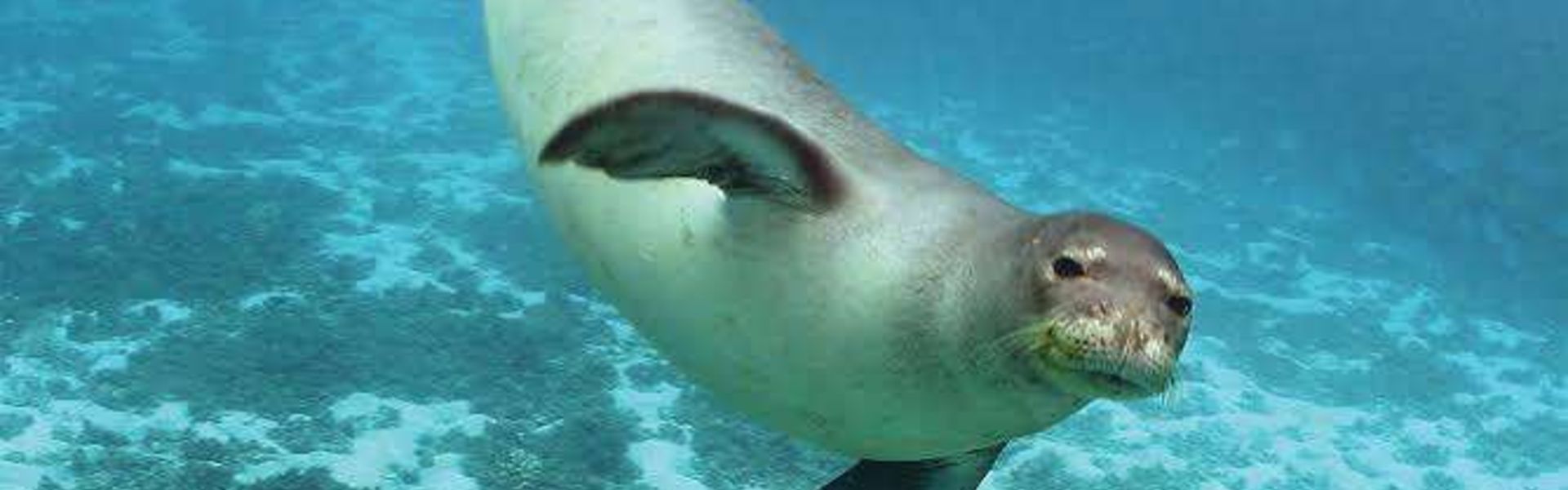
Marine Life: The endangered Atlantic humpback dolphin (Sousa teuszii) inhabits the lagoon, while loggerhead sea turtles feed offshore.
Fish & Invertebrates: The coastline is one of the world’s richest fishing grounds, supporting diverse marine species.
Terrestrial Fauna: The desert supports Dorcas gazelles, fennec foxes, golden jackals, and monitor lizards.
Surrounding Areas
The park is located 38 km from the city of Dakhla, which serves as the main gateway. The region is culturally tied to Sahrawi communities, whose traditions of desert living and fishing coexist with conservation initiatives.
Activities
Birdwatching: Observe migratory flocks and rare species along lagoon margins.
Marine Excursions: Boat trips to spot dolphins, turtles, and explore sea caves.
Kitesurfing & Windsurfing: Dakhla lagoon is a world-class destination, with over 300 windy days per year. Spots like White Dune, Dragon Island, and PK25 are globally renowned.
Hiking & Desert Tours: Explore dunes, cliffs, and Saharan landscapes.
Cultural Visits: Engage with Sahrawi communities to learn traditional lifestyles.
Photography: Capture flamingo colonies, desert-meets-ocean scenery, and unique geological features.
Best Time to Visit
Spring (March–May): Peak bird migration and mild weather.
Summer (June–August): Ideal for kitesurfing, though hot inland.
Autumn (September–November): Balanced climate, fewer tourists, excellent for eco-tours.
Winter (December–February): Cooler, quieter season with strong winds for water sports.
Visitor Tips
Access: Nearest city is Dakhla; flights connect via Casablanca.
Vehicles: Standard cars suffice for lagoon areas; 4x4s recommended for desert excursions.
Supplies: Bring water, sun protection, and binoculars for birdwatching.
Safety: Swimming is discouraged due to strong currents and marine life; follow local guides.
Community Support: Stay at eco-lodges and support Sahrawi-run tourism initiatives.