
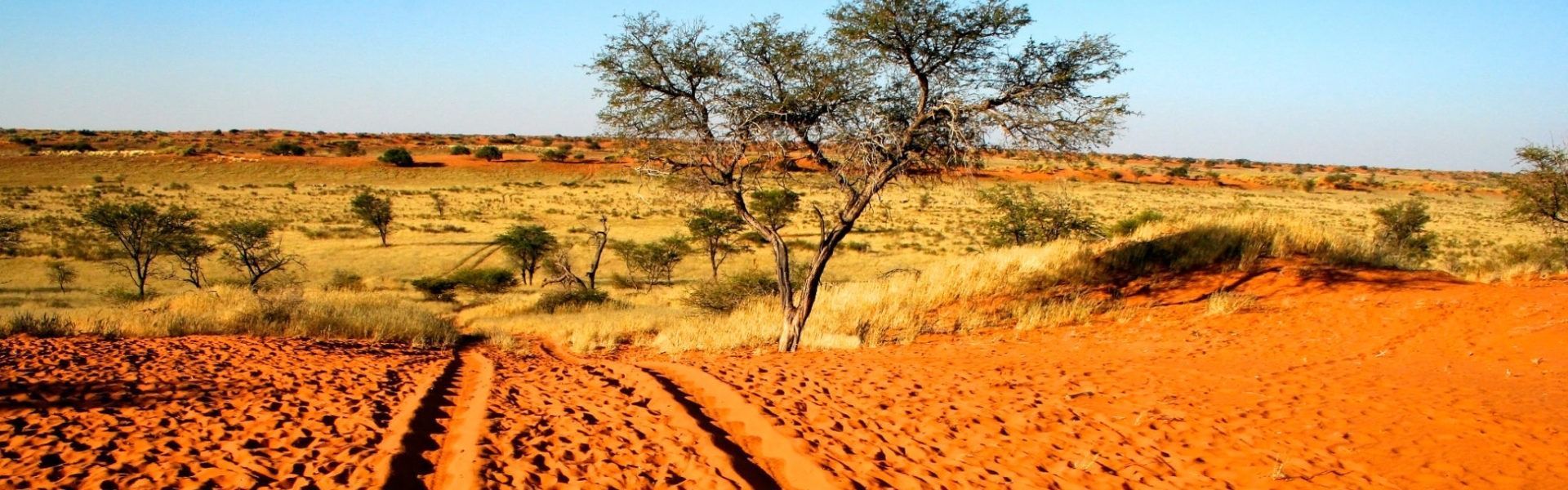

Ultimate Guide to Central Kalahari Safari
Find Central Kalahari Safari Tours from Verified Botswana Operators
The Ultimate Guide to Central Kalahari Safari
Magnificent Botswana Game Reserves
Central Kalahari Game Reserve (CKGR), established in 1961, is one of the largest protected areas in the world, covering 52,800 km² in the heart of the Kalahari Desert. Located entirely within Botswana’s Ghanzi District, it makes up nearly 10% of the country’s land area and is larger than many European nations. Its vast wilderness of dunes, fossilized river valleys, and savanna grasslands is home to iconic African wildlife and the traditional lands of the San (Bushmen) people. The reserve is renowned for its remoteness, dramatic landscapes, and opportunities to experience true wilderness.
History
The San people have lived in the Kalahari for thousands of years, practicing a nomadic hunter-gatherer lifestyle. However, since the mid-1990s, the Botswana government attempted to relocate the San from the reserve, arguing that their presence conflicted with conservation and development goals. In 1997, three-quarters of the San population were moved to resettlement camps, and by 2005 further forced relocations reduced the number of permanent residents to about 250. In 2006, Botswana’s courts ruled the evictions illegal, affirming the San’s right to return, but restrictions on hunting and access to land have continued.
Controversy deepened in 2014 with the opening of the Ghaghoo diamond mine, estimated to yield billions of dollars in diamonds, located on ancestral San land. The reserve also faced ecological challenges, including a massive bushfire in 2008 that burned around 80% of its area. Despite these issues, CKGR remains a symbol of wilderness conservation and cultural heritage.
Ecology
The reserve’s terrain is mostly flat, with gently undulating sand dunes covered in grasses, shrubs, and scattered acacia trees. Fossilized river valleys, including the famous Deception Valley, formed around 16,000 years ago, cut through the landscape. These valleys, along with salt pans, provide seasonal grazing and water sources that sustain wildlife. Vegetation includes hardy species of acacia and terminalia, adapted to arid conditions. The ecosystem supports both desert-adapted herbivores and predators, making it one of the most ecologically diverse desert reserves in Africa.
Wildlife
CKGR hosts an impressive range of wildlife. Large mammals include giraffes, elephants, lions, leopards, cheetahs, wild dogs, hyenas, wildebeest, zebras, eland, kudu, gemsbok, sable antelope, springbok, and hartebeest. Smaller species such as meerkats, bat-eared foxes, cape foxes, honey badgers, porcupines, and ground squirrels thrive in the desert environment. Birdlife is also diverse, with ostriches and raptors commonly seen. The reserve is particularly famous for its black-maned Kalahari lions, which are among the largest lions in Africa.
Surrounding Areas
The reserve lies deep within the Kalahari Desert, far from major towns. Access is typically via Ghanzi, Rakops, or Lethlakane, with long drives required to reach the interior. Its remoteness makes it one of the least accessible but most rewarding parks in southern Africa. The surrounding desert landscapes extend into Namibia and South Africa, forming part of the greater Kalahari ecosystem.
Activities
Game drives – Explore vast valleys and dunes to spot lions, cheetahs, antelope, and other desert wildlife.
Birdwatching – Observe ostriches, raptors, and smaller desert birds across diverse habitats.
Photography – Capture dramatic desert scenery, fossilized riverbeds, and iconic wildlife such as black-maned lions.
Cultural experiences – Learn about the San people’s traditions, survival skills, and heritage linked to the reserve.
Camping and wilderness exploration – Experience solitude and star-filled skies in one of the most remote reserves in Africa.
Scenic drives – Travel through Deception Valley and other fossilized riverbeds, which provide unique landscapes and wildlife viewing.
Best Time to Visit
Wet season (December–March) – Wildlife congregates in valleys, vegetation is lush, and predators are more active.
Dry season (April–October) – Cooler temperatures and sparse vegetation make game viewing easier, though conditions are harsher.
Transitional months (November and April) – Offer moderate weather and a balance between wildlife visibility and comfort.
Visitor Tips
Prepare for remoteness – The reserve is vast and isolated; carry sufficient food, water, and fuel.
Use a 4x4 vehicle – Roads are sandy and rough; proper vehicles are essential for safe travel.
Book permits in advance – Access and camping require permits from Botswana’s Department of Wildlife and National Parks.
Respect cultural heritage – The San people’s history is deeply tied to the reserve; avoid disturbing archaeological or cultural sites.
Pack for extremes – Summers are hot, winters are cold; layered clothing and sun protection are essential.
Bring binoculars and cameras – Wildlife and landscapes are highlights, especially the famous Kalahari lions.
Embrace solitude – The reserve offers one of the most authentic wilderness experiences in Africa, far from crowds and development.