

Ultimate Guide to Khutse Safari
Find Khutse Safari Tours from Verified Botswana Operators
The Ultimate Guide to Khutse Safari
Magnificent Botswana Game Reserves
Khutse Game Reserve, whose name means “where one kneels to drink” in Sekwena, is a protected area in Botswana covering 2,500 km² of diverse Kalahari habitats. Located about 240 km southwest of Gaborone, it is one of the most accessible wilderness reserves for visitors from the capital. The drive to Khutse passes through traditional Kalahari villages, including Molepolole, known as the “gateway to the Kalahari.” The reserve adjoins the Central Kalahari Game Reserve to the north, with no fences separating them, allowing wildlife to move freely between the two.
Geography
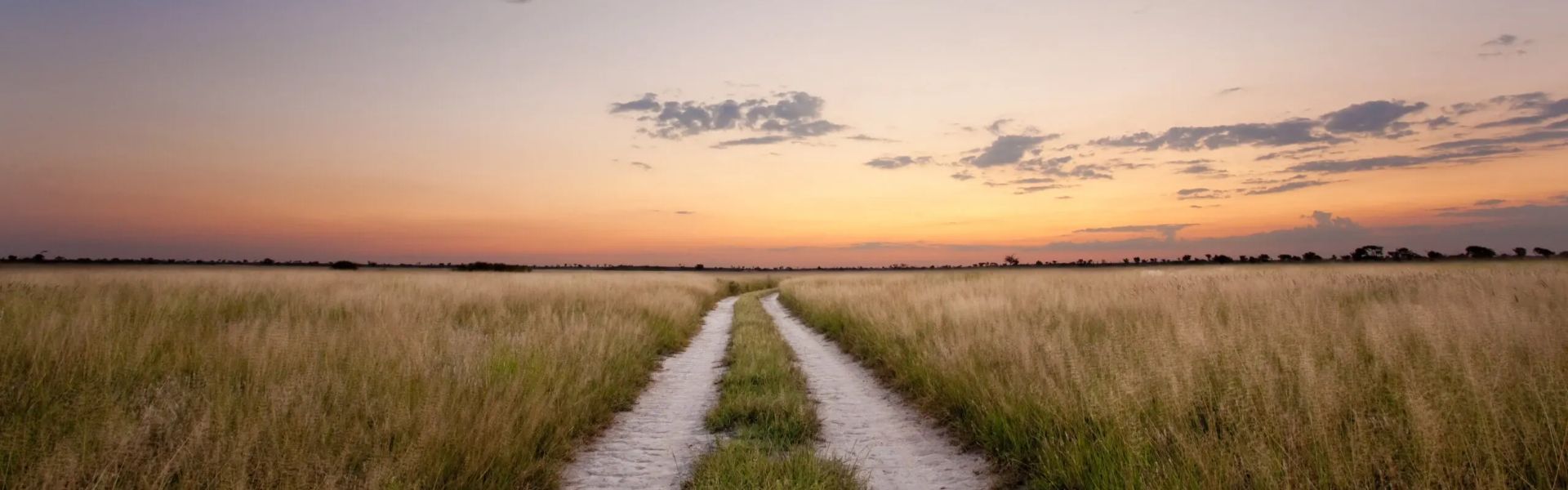
Khutse’s terrain combines most types of Kalahari habitat, including rolling grasslands, fossil dunes, riverbeds, and both grassed and bare pans. These pans are seasonal water catchments that attract wildlife during and after rains. The open landscapes provide excellent opportunities for game viewing, while the fossilized dunes and valleys highlight the geological history of the Kalahari.
Wildlife
Khutse is home to a wide range of species. Large herbivores include springbok, gemsbok, giraffe, wildebeest, hartebeest, kudu, steenbok, and duiker, often seen in abundance. Predators such as lion, leopard, cheetah, wildcat, and the endangered brown hyena roam the reserve, making it a stronghold for carnivores. Smaller mammals like jackals and mongooses are also common. Birdlife is diverse, with raptors and desert-adapted species thriving in the open savanna and pans.
Surrounding Areas
Khutse’s proximity to Gaborone makes it a popular destination for weekend trips and short safaris. The reserve’s connection to the Central Kalahari Game Reserve enhances its ecological importance, forming part of a larger conservation landscape. The surrounding villages provide cultural context, offering visitors a glimpse into traditional Kalahari life.
Activities
Game drives – Explore the reserve’s pans, dunes, and grasslands to spot antelope, giraffes, and predators.
Birdwatching – Observe raptors, bustards, and smaller desert birds across varied habitats.
Photography – Capture dramatic Kalahari landscapes, wildlife, and seasonal pans.
Camping and wilderness experiences – Stay at designated campsites for an immersive experience under star-filled skies.
Scenic drives – Travel through fossil dunes and open plains, experiencing the diversity of Kalahari habitats.
Best Time to Visit
Dry season (May–October) – Best for game viewing, as animals congregate near pans and waterholes.
Wet season (November–April) – The reserve becomes green, wildlife disperses, and bird activity peaks.
Transitional months (April and November) – Offer moderate weather and a balance between wildlife visibility and comfort.
Visitor Tips
Use a 4x4 vehicle – Roads can be sandy and rough; proper vehicles are essential.
Carry sufficient supplies – The reserve is remote; bring food, water, and fuel.
Respect conservation rules – Stick to designated roads and campsites to protect habitats.
Pack for climate extremes – Summers are hot, winters can be cold at night; layered clothing is recommended.
Bring binoculars and cameras – Essential for birding and wildlife photography.
Plan for remoteness – Facilities are limited; self-sufficiency is key.