

Ultimate Guide to Mokolodi Safari
Find Mokolodi Safari Tours from Verified Botswana Operators
The Ultimate Guide to Mokolodi Safari
Magnificent Botswana Game Reserves
Mokolodi Nature Reserve, located just 10 km south of Gaborone, Botswana, is a private, not-for-profit conservation area covering 30 km² of donated land. Established in 1994 by the Mokolodi Wildlife Foundation, the reserve is dedicated to protecting indigenous African wildlife, promoting environmental education, and supporting community development. It is home to a wide variety of species, including rare and vulnerable animals, and plays a vital role in Botswana’s national white rhinoceros breeding programme, contributing to the rebuilding of the country’s rhino population.
History and Conservation
Founded with the vision of combining conservation with education, Mokolodi has grown into one of Botswana’s most important private reserves. Its mission is not only to protect wildlife but also to provide opportunities for children and communities to connect with nature. The reserve’s rhino breeding programme is central to its conservation work, ensuring the survival of both white and black rhinos in Botswana. Beyond rhinos, Mokolodi provides sanctuary for numerous species, while also running outreach and educational initiatives that inspire future generations to value and protect the environment.
Ecology
The reserve’s landscape is typical Kalahari sandveld, with open savanna, acacia woodlands, and seasonal pans. This habitat supports a wide range of mammals, birds, and reptiles. The reserve has developed an extensive network of paths and enclosures, allowing visitors to view wildlife safely and at close quarters.
Wildlife
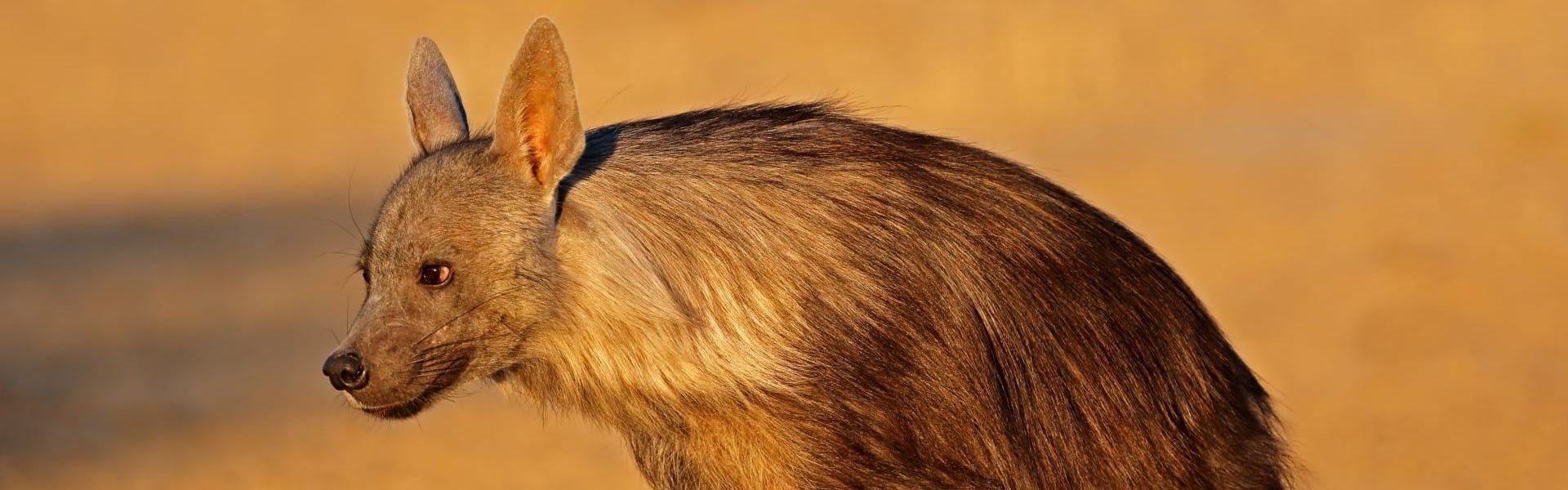
Mokolodi hosts a diverse range of species, including giraffe, zebra, white rhinoceros, mountain reedbuck, red hartebeest, gemsbok, kudu, impala, waterbuck, steenbok, hippopotamus, crocodile, brown hyena, and leopard. Cheetahs and African wild dogs are kept in large enclosures, while the reptile park houses venomous snakes such as black mamba, puff adder, Mozambique spitting cobra, and snouted cobra. An aviary shelters rescued vultures, including white-backed and Cape vultures. The reserve’s biodiversity makes it a key conservation site and an exciting destination for visitors.
Surrounding Areas
Located near Gaborone, Mokolodi is easily accessible for both residents and tourists. Its proximity to the capital makes it a popular destination for day trips, school visits, and eco-tourism. The reserve also plans to expand its conservation area to connect with the nearby Lion Park, further strengthening its ecological footprint.
Activities
Game drives – Explore the reserve to see rhinos, giraffes, antelope, and predators in their natural habitat.
Guided walks – Learn about plants, smaller animals, and conservation efforts while walking through the reserve.
Reptile park visits – Safely view venomous snakes and learn about their ecological importance.
Birdwatching – Observe vultures and other bird species in the aviary and across the reserve.
Educational programmes – School groups and children from disadvantaged backgrounds participate in conservation education.
Photography – Capture close encounters with wildlife and scenic Kalahari landscapes.
Dining and relaxation – Enjoy meals at the onsite restaurant after exploring the reserve.
Best Time to Visit
Dry season (May–October) – Best for game viewing, as animals gather near water sources and vegetation is sparse.
Wet season (November–April) – The reserve becomes green and bird activity peaks, though wildlife is more dispersed.
Transitional months (April and November) – Offer moderate weather and a balance between wildlife visibility and comfort.
Visitor Tips
Book activities in advance – Game drives and guided walks are popular; secure your spot early.
Respect conservation rules – Do not disturb animals or remove plants; the reserve is dedicated to protection.
Bring binoculars and cameras – Essential for birding and wildlife photography.
Support the foundation – Tourism revenue funds education and conservation; consider donations or buying local crafts.
Prepare for climate extremes – Summers are hot, winters can be cool at night; layered clothing is recommended.
Engage with educational programmes – Families and schools can benefit from conservation learning experiences.