

Ultimate Guide to Khama Rhino Safari
Find Khama Rhino Safari Tours from Verified Botswana Operators
The Ultimate Guide to Khama Rhino Safari
Magnificent Botswana Game Controlled Areas
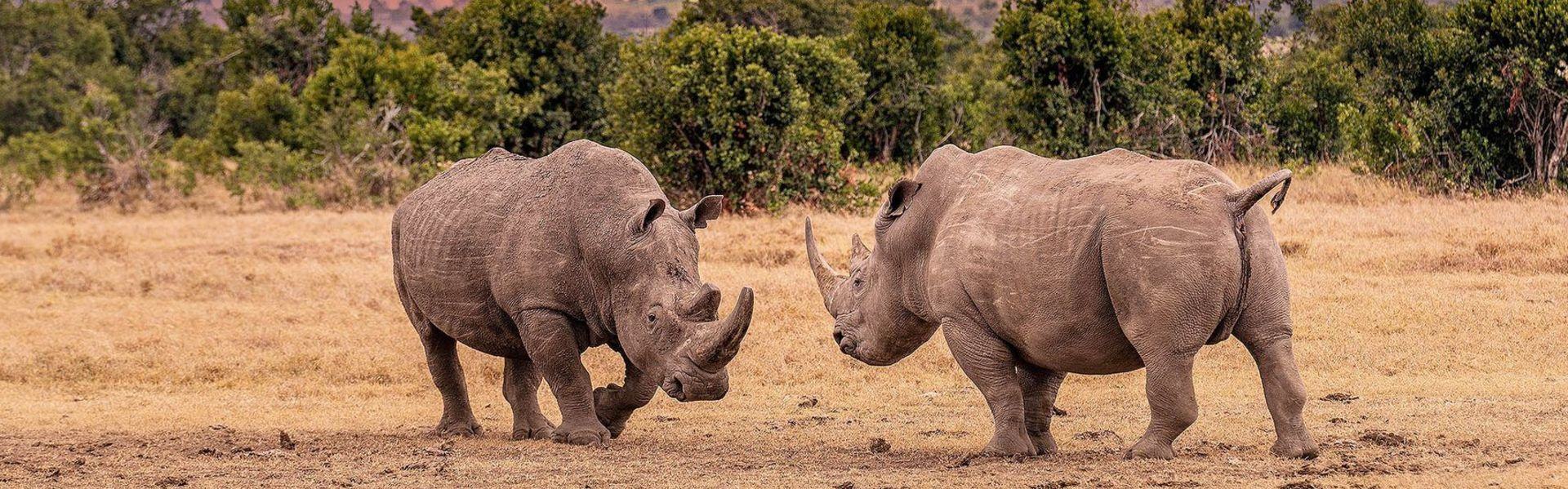
Khama Rhino Sanctuary, located about 25 km outside Serowe, Botswana, is a community-based wildlife project covering 8,585 hectares of Kalahari sandveld. Established in 1992, its primary mission is to save the vanishing rhinoceros and restore historic wildlife populations, while also supporting local community development. The sanctuary is home to both white and black rhinos, alongside more than 30 other mammal species and over 230 bird species. It has become a model of conservation, education, and eco-tourism in Botswana.
History and Conservation
The sanctuary was founded in 1989 when residents of Serowe, concerned about rhino poaching, proposed a reserve with the support of Ian Khama. In 1992, the first four white rhinos were introduced, and in 1993 the Ngwato Land Board officially granted land around the Serwe Pan, a dry lake, to the sanctuary. The critically endangered black rhino was reintroduced in 2002, marking a major milestone.
The sanctuary’s main conservation project is its rhino breeding program, which has successfully relocated rhinos to other wilderness areas in Southern Africa. By 2014, 28 rhinos had been translocated, and the first black rhino calf was born in 2007, followed by white rhino calves in 2009. Anti-poaching patrols by rangers and the Botswana Defense Force have historically kept the sanctuary safe, though recent incidents in 2022 and 2023 highlighted ongoing threats. Despite challenges, the sanctuary remains committed to creating a safe environment for rhinos to breed and eventually return to their natural habitats.
Ecology
The sanctuary’s landscape is typical Kalahari sandveld, with open grasslands, acacia woodlands, and seasonal pans. This habitat supports a wide range of wildlife, both naturally occurring and translocated. The Serwe Pan provides seasonal grazing and attracts birdlife, making it a focal point for biodiversity.
Wildlife
Besides rhinos, the sanctuary hosts giraffes, elands, red hartebeests, gemsboks, zebras, wildebeests, springboks, impalas, waterbucks, kudus, cheetahs, jackals, hyenas, leopards, ostriches, and smaller mammals such as bat-eared foxes, wildcats, steenboks, duikers, caracals, and genets. Birdlife is abundant, with species such as helmeted guineafowl and lappet-faced vultures among the 230 recorded. The sanctuary’s biodiversity makes it an important conservation area beyond its rhino focus.
Surrounding Areas
Located near Serowe, Botswana’s largest village, the sanctuary is easily accessible and serves as a hub for eco-tourism and community development. Its facilities include an environmental education centre, campsites, chalets, and a restaurant, making it a popular destination for both local and international visitors.
Activities
Rhino tracking – Guided drives and walks allow visitors to see white and black rhinos up close in their natural habitat.
Game viewing – Spot giraffes, antelope, predators, and smaller mammals across the sanctuary’s diverse habitats.
Birdwatching – With over 230 species, the sanctuary is a paradise for bird enthusiasts, especially around the Serwe Pan.
Photography – Capture rhinos, wildlife, and landscapes, with opportunities for close encounters.
Environmental education – The centre offers programs for schools and visitors, promoting conservation awareness.
Community engagement – Learn about the sanctuary’s role in supporting local livelihoods and cultural heritage.
Best Time to Visit
Dry season (May–October) – Best for game viewing, as animals congregate near water sources and vegetation is sparse.
Wet season (November–April) – The sanctuary becomes green and bird activity peaks, though wildlife is more dispersed.
Transitional months (April and November) – Offer moderate weather and a balance between wildlife visibility and comfort.
Visitor Tips
Book accommodation early – Campsites and chalets are popular, especially during peak seasons.
Respect conservation rules – Do not disturb rhinos or other wildlife; poaching threats make security strict.
Bring binoculars and cameras – Essential for birding and wildlife photography.
Support local communities – Tourism revenue helps fund conservation and community projects; consider buying local crafts.
Prepare for climate extremes – Summers are hot, winters can be cold at night; layered clothing is recommended.
Join guided tours – Rangers provide safety and deeper insights into rhino conservation.