
Ultimate Guide to Kavango–Zambezi Safari
Find Kavango–Zambezi Safari Tours from Verified Botswana Operators
The Ultimate Guide to Kavango–Zambezi Safari
Magnificent Botswana Game Controlled Areas
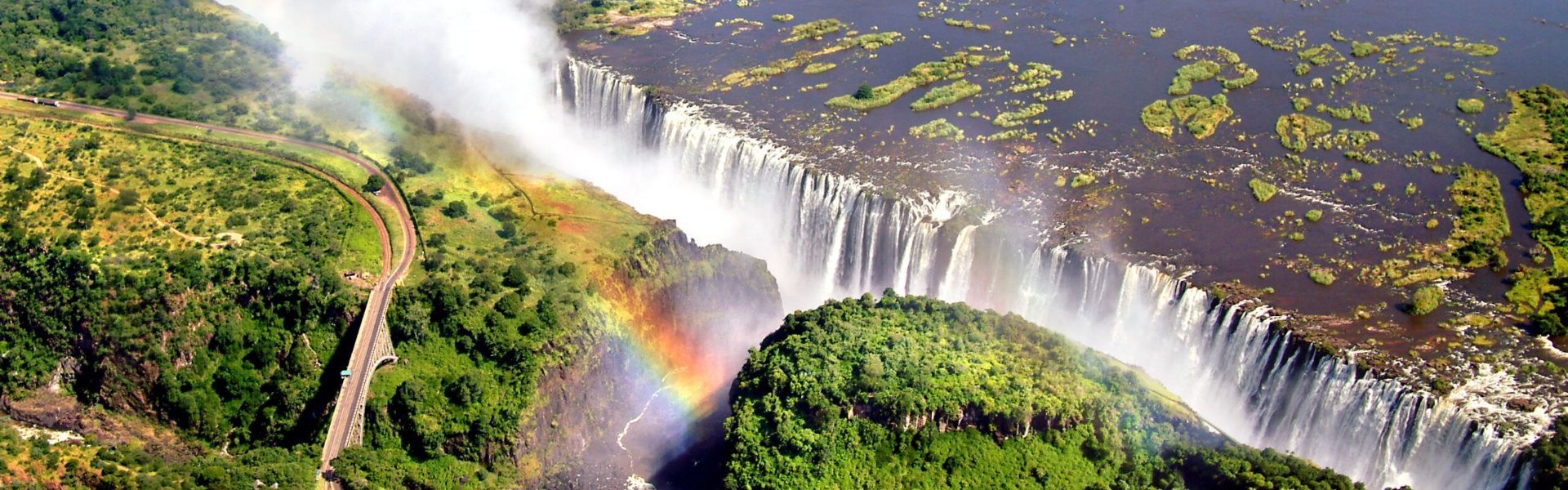
The Kavango–Zambezi Transfrontier Conservation Area (KAZA TFCA) is the second-largest conservation area in the world, spanning 520,000 km² across five Southern African countries: Angola, Botswana, Namibia, Zambia, and Zimbabwe. It encompasses major portions of the Upper Zambezi River basin, the Okavango Delta, Namibia’s Caprivi Strip, southwestern Zambia, northern Botswana, and western Zimbabwe. At its heart lies the confluence of the Zambezi and Chobe Rivers, where the borders of four countries meet. KAZA incorporates world-renowned sites such as Chobe National Park, Hwange National Park, and Victoria Falls, and is home to the largest population of African elephants on Earth, estimated at 250,000 individuals.
History
The idea of KAZA was initiated by the Shoshong Constituency Foundation and the World Wide Fund for Nature, inspired by earlier regional initiatives such as the Okavango–Upper Zambezi International Tourism Initiative and the Four Corners Transboundary Natural Resource Management project. In 2003, ministers from the five partner countries met in Katima Mulilo, Namibia, to discuss the project. By 2006, the Southern African Development Community (SADC) endorsed KAZA as an official project, and later that year the countries signed a memorandum of understanding at Victoria Falls, Zimbabwe. The treaty establishing KAZA was signed on 18 August 2011, and the official opening took place on 15 March 2012 in Katima Mulilo.
Financial support has come from international partners, including the German government, KfW Development Bank, the World Bank, the Netherlands, and Sweden. In 2014, lion populations were studied across the area, and later that year Zambia and Zimbabwe introduced a common KAZA visa, allowing tourists to move freely across borders within the conservation area.
Ecology
KAZA covers diverse ecosystems, from wetlands and river systems to savannas, woodlands, and semi-arid landscapes. It includes the Okavango Delta, one of the world’s largest inland wetlands, and the Zambezi River, which sustains rich biodiversity. The area is critical for migratory species, particularly elephants, which move across national borders in search of food and water. Other habitats include floodplains, mopane woodlands, and grasslands, supporting a wide range of flora and fauna.
Wildlife
KAZA is home to extraordinary wildlife populations. The most notable is its 250,000 African elephants, the largest concentration globally. Other mammals include lions, leopards, cheetahs, African wild dogs, giraffes, zebras, buffalo, hippos, and numerous antelope species such as sable, roan, kudu, and impala. Birdlife is equally rich, with hundreds of species inhabiting wetlands, forests, and savannas. The area’s diversity makes it one of the most important conservation landscapes in Africa.
Surrounding Areas
KAZA spans five countries, with each contributing unique landscapes and attractions. Botswana offers the Okavango Delta and Chobe National Park; Zimbabwe contributes Hwange National Park and Victoria Falls; Namibia includes the Caprivi Strip; Zambia provides access to the Zambezi River and Victoria Falls; and Angola adds vast wilderness areas. The transfrontier nature of KAZA makes it a model for regional cooperation in conservation and tourism.
Activities
Wildlife viewing – Experience elephants, predators, and antelope across diverse ecosystems, from Chobe’s riverfront to Hwange’s savannas.
Birdwatching – Wetlands and floodplains host hundreds of bird species, making KAZA a paradise for bird enthusiasts.
Victoria Falls exploration – Visit one of the world’s most famous natural wonders, located at the heart of KAZA.
Boat cruises and river safaris – Explore the Zambezi and Chobe Rivers, spotting hippos, crocodiles, and waterbirds.
Cultural experiences – Learn about local communities and traditions across five countries, including San heritage and fishing villages.
Photography – Capture iconic landscapes, wildlife migrations, and dramatic waterfalls.
Multi-country safaris – Use the KAZA visa to travel seamlessly between Zambia and Zimbabwe, combining experiences across borders.
Best Time to Visit
Dry season (May–October) – Best for game viewing, as animals congregate at rivers and waterholes; Victoria Falls is at lower flow but still impressive.
Wet season (November–April) – Lush landscapes, bird migrations, and dramatic high-water flow at Victoria Falls, though wildlife is more dispersed.
Transitional months (April and November) – Offer moderate weather and a balance between wildlife visibility and scenic beauty.
Visitor Tips
Plan multi-country travel – The KAZA visa allows easy movement between Zambia and Zimbabwe; check entry requirements for other countries.
Use proper vehicles – Remote areas require 4x4s; road conditions vary across regions.
Respect conservation rules – Stick to designated areas and avoid disturbing wildlife.
Bring binoculars and cameras – Essential for birding, wildlife, and capturing Victoria Falls.
Prepare for climate extremes – Summers can be hot, while winters bring cooler nights; layered clothing is recommended.
Support local communities – Tourism helps sustain livelihoods; consider buying local crafts and engaging in cultural tours.