

Ultimate Guide to Akagera Safari
Find Akagera Safari Tours from Verified Rwanda Operators
The Ultimate Guide to Akagera Safari
Akagera SafariAkagera National Park, located in eastern Rwanda, is one of the country’s most iconic wildlife destinations. Managed by the African Parks Organization in partnership with the Rwanda Development Board, the park covers about 2,500 km² (970 sq mi), making it one of east-central Africa’s largest protected wetlands. Named after the Kagera River, which flows along Rwanda’s eastern border with Tanzania, the park features a striking mix of savanna plains, acacia woodlands, swampy lakes, and papyrus wetlands. Its proximity to Kigali-just a two-and-a-half-hour drive-makes it easily accessible for visitors.
Geography and Landscape
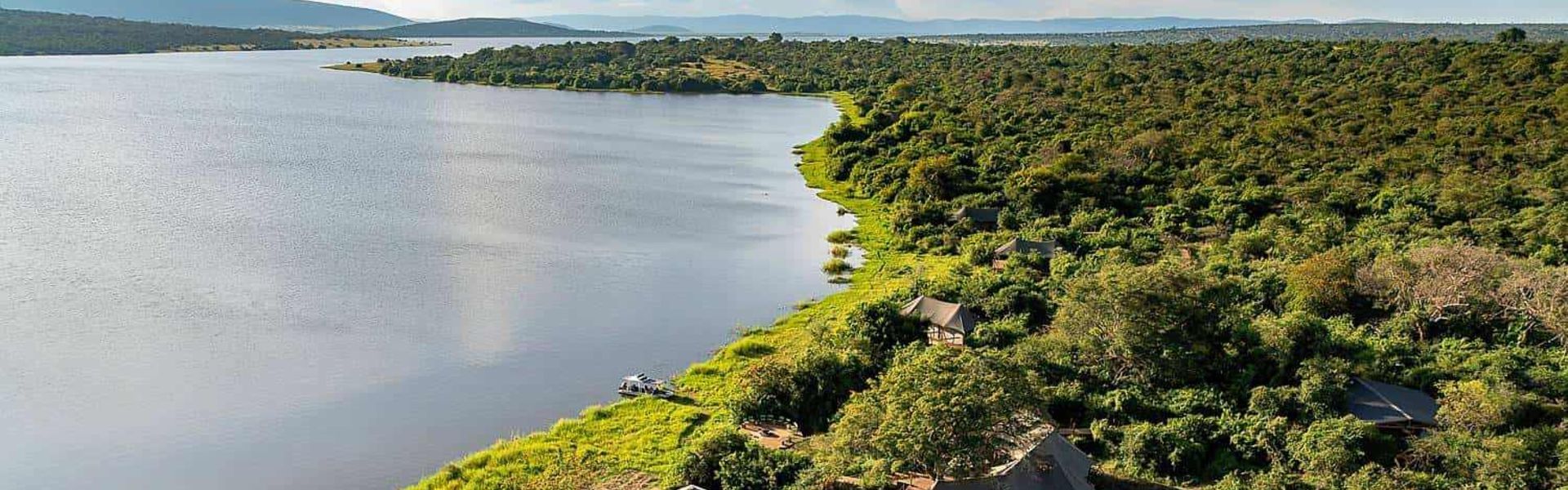
The park’s landscape is a mosaic of rolling savannas, open grasslands, and dense bush, interspersed with more than a dozen lakes, including Lake Ihema, the largest. The Kagera River feeds these lakes, creating a rich wetland ecosystem that supports hippos, crocodiles, and diverse birdlife. The contrast between dry savanna and lush wetlands makes Akagera unique among Rwanda’s national parks.
Vegetation and Biodiversity
Acacia woodlands dominate the savanna, while papyrus swamps and riparian forests thrive along lakeshores. This diversity of habitats supports a wide range of species, from large mammals to smaller herbivores and predators. Seasonal changes bring shifts in vegetation, influencing wildlife movement and behavior across the park.
Wildlife
Akagera is home to the “Big Five”-elephants, buffalo, lions, leopards, and rhinos-making it Rwanda’s premier safari destination. Other iconic species include giraffes, zebras, and spotted hyenas. Antelope diversity is remarkable, with bushbucks, topis, oribis, waterbucks, roan antelopes, duikers, klipspringers, impalas, and the massive cape eland, the world’s largest antelope. The wetlands host schools of hippos and Nile crocodiles, while primates such as olive baboons, vervet monkeys, blue monkeys, and bush babies add to the richness of the ecosystem.
Birdlife
Akagera is a paradise for birdwatchers, with over 500 bird species recorded. The papyrus swamps are home to the rare shoebill stork, while fish eagles, kingfishers, and herons thrive around the lakes. Grassland species such as raptors and ground hornbills patrol the savanna, making birdwatching a highlight of any visit.
Activities in Akagera National Park
Game Drives: Explore savanna plains and wetlands to spot the Big Five and other wildlife.
Boat Safaris: Cruise on Lake Ihema to see hippos, crocodiles, and waterbirds.
Birdwatching: Discover diverse species across savanna, forest, and wetland habitats.
Guided Nature Walks: Learn about plants, smaller animals, and conservation efforts.
Night Drives: Experience nocturnal wildlife such as bush babies, hyenas, and leopards.
Community Visits: Engage with local communities and learn about Rwandan culture.
Best Time to Visit
The dry seasons, from June to September and December to February, are ideal for game viewing, as animals gather around water sources and trails are more accessible. The wet seasons, from March to May and October to November, bring lush vegetation and excellent birdwatching opportunities, though roads may be muddy.
Visitor Tips
Carry binoculars, cameras, sunscreen, hats, and insect repellent.
A 4×4 vehicle is recommended for navigating rough terrain.
Book guided tours for better wildlife spotting and safety.
Respect conservation rules, especially around endangered species.
Support local initiatives by purchasing crafts or using community-run services.
Early mornings and evenings are the best times for photography and wildlife viewing.