

Ultimate Guide to Kandt House Safari
Find Kandt House Safari Tours from Verified Rwanda Operators
The Ultimate Guide to Kandt House Safari
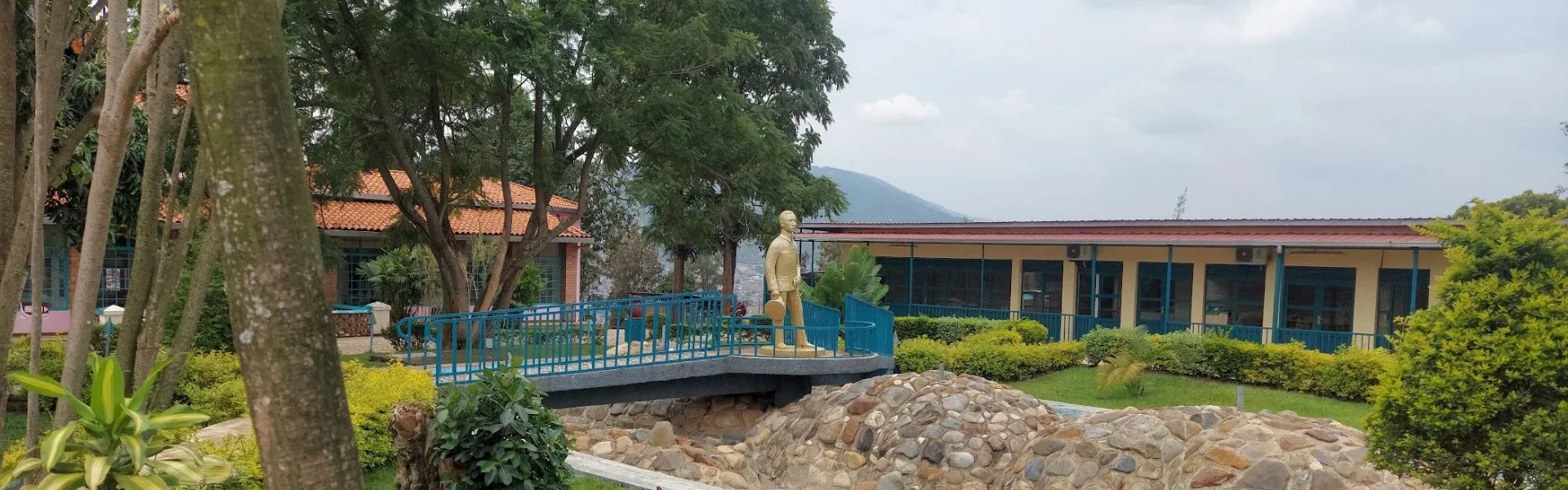
Kandt House SafariThe Kandt House Museum, formerly known as the Natural History Museum, is located in Nyarugenge District, Kigali. It is one of Rwanda’s most historically significant landmarks, as it was originally built in 1908 during the German colonial period under the direction of Richard Kandt, the first German colonial administrator in Rwanda. This site marked the establishment of Kigali as the colonial capital, chosen for its strategic location on the hills of Nyarugenge. The museum today stands as the only surviving colonial-era building from 1908, making it a rare architectural treasure.
Historical Significance
Richard Kandt, along with other colonial leaders, initiated the construction of administrative buildings in Kigali, including what is now the Kandt House Museum. Initially serving as a government residence, the building later became a hub for natural history exhibitions. In 2004, it was renovated and transformed into a museum showcasing Rwanda’s natural resources. On 17 December 2017, the museum was renamed the Kandt House Museum, with a new focus on Rwanda’s history before and during German colonization.
Exhibits and Collections
The museum features three main sections:
Pre-Colonial Rwanda: Displays artifacts and narratives about Rwanda’s traditional society, culture, and governance before European influence.
Colonial Rwanda: Chronicles the arrival of Germans, their administration, and the impact of colonization on Rwandan society.
Natural History: Highlights Rwanda’s diverse ecosystems, flora, and fauna, emphasizing conservation and biodiversity.
Live Reptile Exhibit
One of the museum’s unique attractions is its live reptile section, which includes species found in Rwanda’s countryside. Visitors can see Nile crocodiles, black mambas, pythons, cobras, and other reptiles up close, offering an educational experience about Rwanda’s wildlife.
Cultural Importance
The museum is managed by the Rwanda Cultural Heritage Academy, ensuring its preservation and integration into Rwanda’s broader cultural and historical narrative. It serves both as a historical monument and an educational center, bridging Rwanda’s past with its present identity.
Activities at the Kandt House Museum
Guided Tours: Learn about Rwanda’s pre-colonial and colonial history.
Natural History Exhibits: Explore Rwanda’s biodiversity and conservation efforts.
Reptile Viewing: Observe live reptiles in a safe, controlled environment.
Photography: Capture the colonial architecture and museum displays.
Cultural Learning: Engage with exhibits that highlight Rwanda’s traditions and resilience.
Best Time to Visit
The museum is open year-round, with mornings and afternoons offering the best atmosphere for guided tours and reptile exhibits. Dry seasons (June–September and December–February) provide clearer skies for photography and outdoor exploration of Kigali’s historic district.
Visitor Tips
Allocate at least 1–2 hours to explore all sections of the museum.
Guided tours enrich the experience with detailed historical context.
Respect conservation rules when viewing live reptiles.
Carry a camera to capture the colonial architecture and exhibits.
Combine your visit with other Kigali attractions, such as the Kigali Genocide Memorial and Ethnographic Museum, for a fuller cultural experience.