

Ultimate Guide to Nyungwe Forest Safari
Find Nyungwe Forest Safari Tours from Verified Rwanda Operators
The Ultimate Guide to Nyungwe Forest Safari
Nyungwe Forest SafariNyungwe Forest National Park, located in southwestern Rwanda near the border with Burundi and the Democratic Republic of Congo, is one of Africa’s oldest and most biologically diverse rainforests. Spanning over 1,000 square kilometers, the park is a haven for biodiversity, hosting more than 1,068 plant species, including 140 types of orchids. It is also home to 322 bird species, such as the striking red-collared babbler, and 75 mammal species ranging from servals and mongooses to leopards and the Congo clawless otter. The park is especially famous for its primates, with 13 species including chimpanzees and the Albertine Rift endemic L’Hoest’s monkey.
Geography and Landscape
Nyungwe sits at elevations ranging from 1,600 to 2,950 meters above sea level, creating a variety of microclimates and habitats. Its terrain is mountainous and lush, with ridges, valleys, and waterfalls hidden within dense rainforest. The park forms part of the Albertine Rift, a region recognized globally as a biodiversity hotspot.
Vegetation and Biodiversity
The rainforest is a living museum of plant life, with towering hardwoods, ferns, and orchids thriving in the moist environment. Bamboo groves and swampy areas add to the diversity, while rare plant species flourish in the volcanic soils. This vegetation supports a wide range of wildlife, making Nyungwe a critical refuge for both flora and fauna.
Wildlife
Nyungwe is best known for its primates. Visitors can track chimpanzees, which live in large troops, or observe other species such as colobus monkeys, vervet monkeys, and the rare L’Hoest’s monkey. Beyond primates, the park shelters small carnivores like servals, as well as antelopes and otters. Birdlife is spectacular, with endemic species like the Rwenzori turaco and Grauer’s swamp warbler. Butterflies and reptiles add further color and diversity to the ecosystem.
Unique Attractions
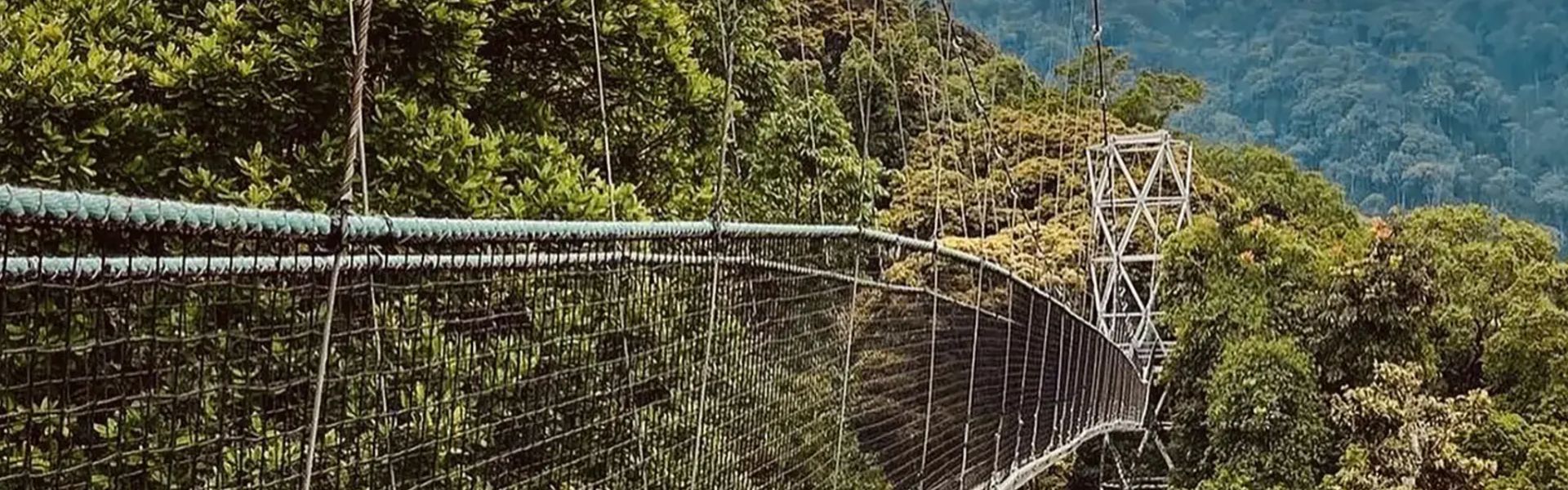
Canopy Walk: Nyungwe boasts the only canopy walkway in East Africa. This 91-meter suspension bridge hangs more than 50 meters above the forest floor, offering breathtaking views of treetops and wildlife. It is reached via a 90-minute hike from the Uwinka Visitor Center.
Waterfalls: Trails lead to hidden waterfalls such as Isumo, where visitors can enjoy scenic views and cool mist.
Hiking Trails: Over 15 well-maintained trails allow exploration of different habitats, ranging from short walks to multi-day treks.
Cultural Encounters: Local communities around Nyungwe share traditional dances, crafts, and stories, enriching the visitor experience.
Activities in Nyungwe Forest National Park
Chimpanzee Tracking: Guided treks to observe chimpanzees in their natural habitat.
Monkey Tracking: Spot colobus and L’Hoest’s monkeys in the forest canopy.
Birdwatching: Discover over 300 bird species, including Albertine Rift endemics.
Canopy Walk: Experience the rainforest from above on the suspension bridge.
Hiking and Nature Walks: Explore diverse trails through rainforest, swamps, and ridges.
Waterfall Visits: Trek to Isumo and other waterfalls for scenic views.
Community Tours: Engage with local people and learn about Rwandan traditions.
Best Time to Visit
The dry seasons, from June to September and December to February, are ideal for trekking and canopy walks, with clearer trails and easier access. The rainy seasons, from March to May and October to November, bring lush greenery and active birdlife, though paths can be slippery. Each season offers unique experiences, from easier hikes in dry months to vibrant photography opportunities in wet months.
Visitor Tips
Wear sturdy hiking boots and rain gear, as weather can change quickly.
Carry water, snacks, and insect repellent for long treks.
Guided tours are essential for chimpanzee tracking and canopy walks.
Respect conservation rules: avoid disturbing wildlife and stay on marked trails.
Support local communities by purchasing crafts or joining cultural tours.
Early mornings are best for primate tracking and birdwatching.