

Ultimate Guide to Kigali Memorial Safari
Find Kigali Memorial Safari Tours from Verified Rwanda Operators
The Ultimate Guide to Kigali Memorial Safari
Kigali Memorial SafariThe Kigali Genocide Memorial, located in Gisozi, was inaugurated in 2004 on the 10th anniversary of the 1994 Genocide against the Tutsi. It serves as the final resting place for more than 250,000 victims, making it one of the most significant memorials in Rwanda. Beyond being a burial site, the memorial is a center for education, remembrance, and reflection, documenting how the genocide unfolded and placing it within the broader context of other 20th-century genocides.
Historical Significance
The memorial is dedicated to honoring the victims and ensuring that future generations understand the causes and consequences of the genocide. Exhibits detail Rwanda’s history before, during, and after 1994, highlighting the dangers of division and the importance of unity. It stands as a symbol of resilience and a reminder of the need for peace and reconciliation.
Wall of Names
One of the most poignant features of the memorial is the Wall of Names, dedicated to those who lost their lives. Many victims remain unidentified, and the wall continues to be updated as names are discovered. This evolving tribute reflects the ongoing process of remembrance and healing.
Memorial Gardens
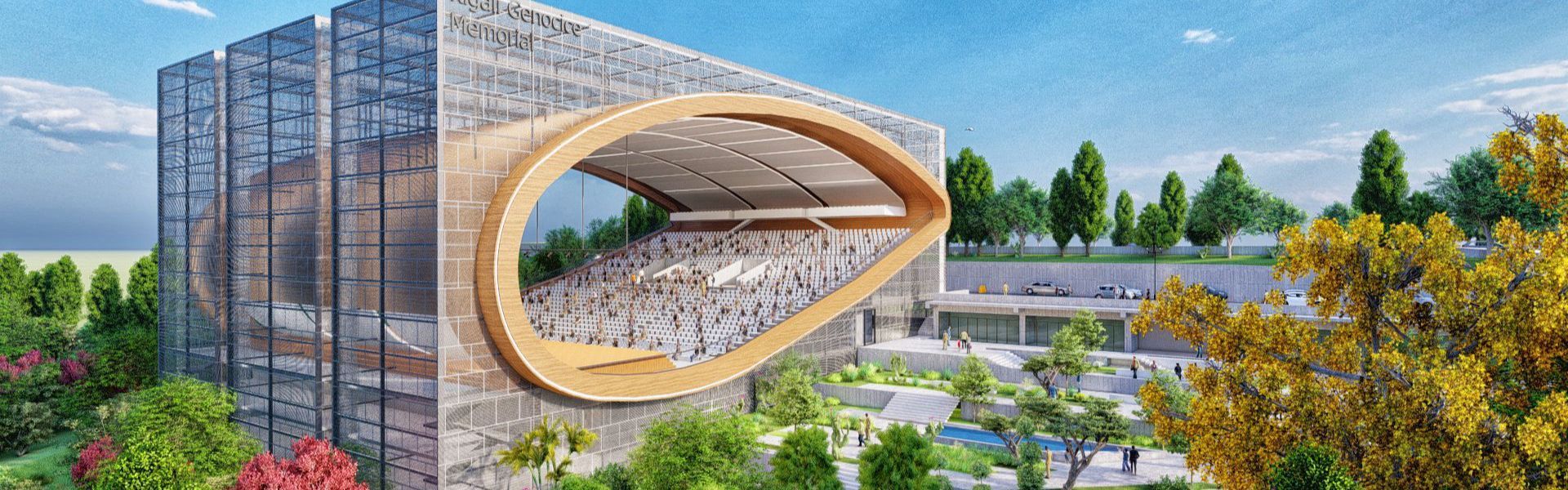
Surrounding the memorial are tranquil gardens designed for quiet contemplation. Visitors can reflect on the tragedy while finding solace in the peaceful environment. The gardens symbolize renewal and hope, contrasting with the painful history they commemorate.
Exhibits and Education
Inside the memorial, exhibitions provide a detailed account of the genocide against the Tutsi, including personal testimonies, photographs, and artifacts. There are also sections dedicated to other genocides worldwide, such as the Holocaust and the Cambodian genocide, offering a comparative perspective on human rights and the consequences of hatred.
Nationwide Memorials
While the Kigali site is the largest, memorials are found across Rwanda, each carrying emotional weight. Some are simple gardens, while others preserve relics, remains, and exhibits. Together, they form a network of remembrance that ensures the genocide’s history is acknowledged throughout the country.
Activities at the Kigali Genocide Memorial
Guided Tours: Learn about Rwanda’s history and the genocide through expert-led tours.
Exhibitions: Explore galleries documenting the genocide and other global atrocities.
Reflection in Gardens: Spend time in peaceful surroundings for personal contemplation.
Educational Programs: Participate in workshops and lectures on peace-building and reconciliation.
Community Engagement: Support initiatives that promote unity and healing.
Best Time to Visit
The memorial is open year-round. Mornings and afternoons are ideal for guided tours and reflection, offering a quieter atmosphere. Visiting during national commemoration periods in April provides a deeper understanding of Rwanda’s collective remembrance.
Visitor Tips
Approach the memorial with respect and sensitivity, as it is both a burial site and a place of mourning.
Guided tours enrich the experience with historical context and survivor testimonies.
Photography may be restricted in certain areas-check guidelines before visiting.
Allocate at least two hours to fully explore exhibits and gardens.
Combine your visit with other memorials across Rwanda for a broader perspective.