
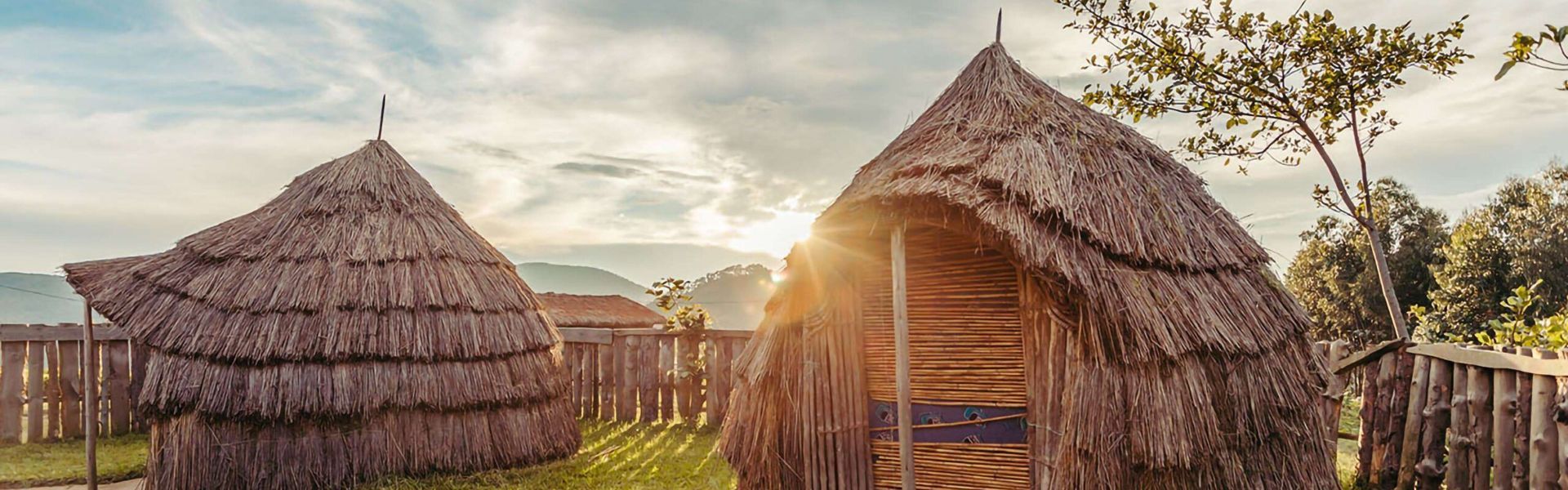

Ultimate Guide to Ethnographic Safari
Find Ethnographic Safari Tours from Verified Rwanda Operators
The Ultimate Guide to Ethnographic Safari
Ethnographic SafariThe Ethnographic Museum, located in Huye District about 130 kilometers south of Kigali, is one of Rwanda’s most important cultural institutions. Often regarded as one of Africa’s finest collections of ethnological and archaeological artifacts, the museum was gifted to Rwanda by Belgium in 1989 to commemorate the 25th anniversary of the country’s independence. Today, it serves as a hub for preserving and showcasing Rwanda’s rich cultural heritage, traditions, and history.
Architecture and Layout
The museum is a striking modern building surrounded by lush gardens, offering a serene environment for learning and reflection. Inside, visitors explore seven galleries, each dedicated to a different aspect of Rwanda’s past, from pre-colonial traditions to colonial influences and post-independence developments.
Collections and Exhibits
The galleries house an impressive range of artifacts:
Traditional Crafts: Woven baskets, mats, and household items that highlight Rwanda’s artistry.
Clothing and Textiles: Garments made from animal hides and bark cloth, showcasing early fashion and utility.
Weapons and Tools: Spears, bows, and farming implements used for hunting and agriculture.
Musical Instruments: Ancient drums, flutes, and string instruments that reveal Rwanda’s musical heritage.
Archaeological Finds: Pottery, stone tools, and relics that trace Rwanda’s human history.
Household Items: Cooking pots, milk containers, and ceremonial vessels reflecting daily life.
Cultural Significance
The museum provides a journey back in time to pre-colonial Rwanda, illustrating how communities lived, worked, and celebrated. It emphasizes the importance of cattle, farming, and craftsmanship in shaping Rwandan identity. Exhibits also highlight the resilience of Rwandan culture through colonial and post-independence periods.
Live Demonstrations
One of the museum’s unique features is its handicraft demonstrations, where artisans showcase weaving, basket-making, and pottery. These live sessions allow visitors to interact directly with craftsmen and understand traditional techniques passed down through generations.
Activities at the Ethnographic Museum
Guided Tours: Explore galleries with expert explanations of artifacts and traditions.
Cultural Workshops: Participate in weaving or pottery-making sessions.
Educational Programs: Learn about Rwanda’s history through lectures and interactive exhibits.
Photography: Capture the museum’s architecture, artifacts, and live demonstrations.
Community Engagement: Support local artisans by purchasing handmade crafts.
Best Time to Visit
The museum is open year-round, making it accessible in both dry and rainy seasons. Mornings and afternoons are ideal for guided tours and demonstrations, while weekends often feature cultural performances.
Visitor Tips
Allocate at least two hours to fully explore the seven galleries.
Guided tours enrich the experience with deeper historical context.
Respect cultural artifacts by avoiding flash photography in certain galleries.
Support local artisans by purchasing crafts at the museum shop.
Combine your visit with nearby attractions in Huye, such as historic churches and local markets.