

Ultimate Guide to King’s Palace Safari
Find King’s Palace Safari Tours from Verified Rwanda Operators
The Ultimate Guide to King’s Palace Safari
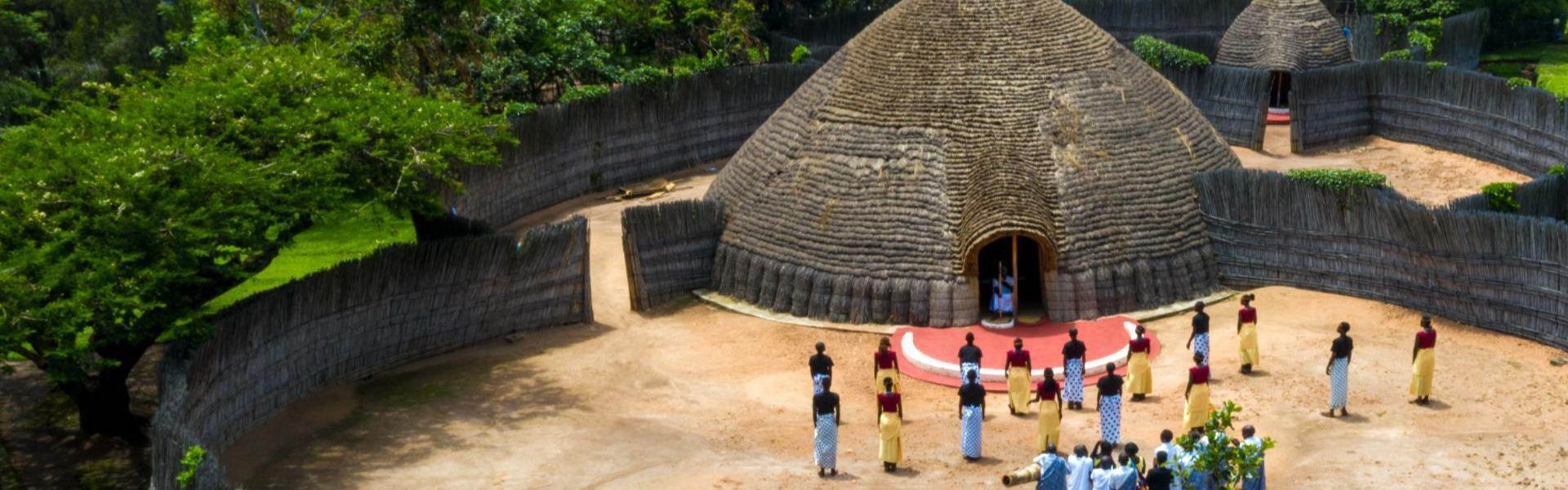
King’s Palace SafariThe King’s Palace Museum, located in Nyanza in southern Rwanda, is one of the country’s eight national museums and a cultural landmark that preserves Rwanda’s royal heritage. Its star attraction is the herd of Inyambo cows, sacred long-horned cattle whose massive, elegant horns symbolize prestige and tradition. These cows are serenaded daily by traditional singers who recite poems and lull them into a calm state—a ritual unique to Rwanda and deeply tied to the monarchy’s history.
Historical Significance
The museum showcases a replica of a 15th-century royal palace, complete with a thatched roof, a royal hut, and a milk hut traditionally managed by an unmarried woman. This reconstruction offers visitors a glimpse into Rwanda’s pre-colonial royal lifestyle, highlighting the importance of cattle, milk, and rituals in the kingdom’s culture.
Colonial Heritage
Beyond the traditional palace, the museum also houses the colonial-style residence of King Mutara III Rudahigwa, who ruled in the mid-20th century. The interior blends Rwandan motifs with European-style furniture, some of which belonged to the king himself. This fusion reflects Rwanda’s transition from traditional monarchy to colonial influence and modernization.
Cultural Attractions
Inyambo Cows: Admire the sacred long-horned cattle and witness traditional singing rituals.
Royal Palace Replica: Explore the reconstructed palace and learn about ancient royal customs.
Colonial Residence: Step inside King Mutara III’s home and see the blend of Rwandan and European design.
Traditional Performances: Experience cultural dances, songs, and storytelling tied to royal traditions.
Milk Rituals: Learn about the symbolic role of milk in Rwandan culture and its connection to purity and prosperity.
Activities at King’s Palace Museum
Guided Tours: Discover Rwanda’s royal history through expert-led tours.
Photography: Capture the striking Inyambo cows and traditional palace architecture.
Cultural Learning: Engage with local guides to understand rituals, symbolism, and heritage.
Community Visits: Interact with nearby villages to experience Rwandan traditions firsthand.
Best Time to Visit
The museum can be visited year-round, but mornings and afternoons are ideal for witnessing the cow rituals and enjoying guided tours. Dry seasons (June–September and December–February) provide clearer skies for photography and outdoor cultural performances.
Visitor Tips
Carry a camera to capture the unique Inyambo cows and palace structures.
Guided tours enrich the experience with detailed historical context.
Respect cultural practices, especially during cow rituals and traditional performances.
Support local artisans by purchasing crafts and souvenirs.
Combine your visit with nearby attractions in Nyanza for a fuller cultural experience.