

Ultimate Guide to Volcanoes Safari
Find Volcanoes Safari Tours from Verified Rwanda Operators
The Ultimate Guide to Volcanoes Safari
Volcanoes SafariVolcanoes National Park, located in northwestern Rwanda, is part of the greater Virunga Conservation Area that spans across Uganda and the Democratic Republic of Congo. It is the country’s premier destination for gorilla trekking and one of the most accessible gorilla reserves in the world, being only about a two-hour drive from Kigali International Airport. The park is world-renowned for protecting the critically endangered mountain gorilla, whose population has steadily increased from fewer than 250 individuals in the early 1980s to over 700 today. Since 2005, Rwanda has celebrated the annual Kwita Izina ceremony, where newborn gorillas are given names, symbolizing the nation’s commitment to conservation.
Geography and Landscape
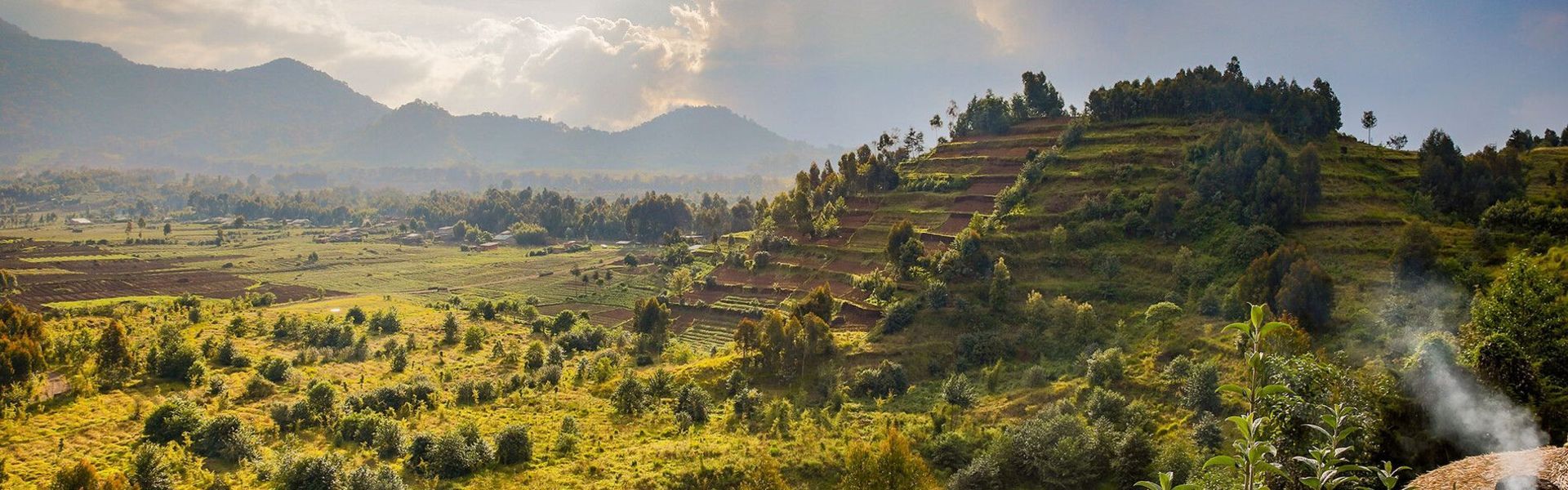
The park is named after the chain of dormant volcanoes that dominate the Virunga Massif: Mount Karisimbi (the tallest at 4,507 meters), Bisoke with its crater lake, Sabyinyo, Gahinga, and Muhabura. These volcanic peaks create a dramatic backdrop and host diverse ecosystems ranging from bamboo forests to alpine meadows. The terrain is rugged, with swamps and grasslands interspersed between forested slopes, offering breathtaking scenery for trekkers and nature lovers.
Vegetation and Biodiversity
Volcanoes National Park is a mosaic of habitats that support rich biodiversity. Bamboo forests provide food for gorillas, while Hagenia woodlands and alpine vegetation shelter other species. The park is home to over 200 bird species, including Rwenzori turacos and sunbirds, as well as reptiles, amphibians, and countless insects. Orchids and other rare plants thrive in the volcanic soils, making the park a botanical treasure.
Wildlife
The park’s most famous residents are the mountain gorillas, living in habituated family groups that visitors can trek to see. Golden monkeys, another endangered primate, are also found here, adding to the uniqueness of the reserve. Other mammals include forest buffalo, bushbuck, spotted hyenas, and small antelopes. Though elusive, leopards and servals are known to roam the park. The combination of large mammals, primates, and birdlife makes Volcanoes National Park a complete safari destination.
Activities in Volcanoes National Park
Gorilla Trekking: The highlight activity, lasting 4–8 hours through bamboo forests and meadows to reach gorilla families.
Golden Monkey Tracking: A shorter trek to observe playful golden monkeys in bamboo habitats.
Volcano Hiking: Ascend Mount Bisoke to its crater lake or tackle Karisimbi for a two-day adventure.
Birdwatching: Spot endemic and migratory species across diverse habitats.
Cultural Experiences: Visit Iby’Iwacu Cultural Village to learn about Rwandan traditions and conservation stories.
Nature Walks: Explore scenic trails through forest and volcanic landscapes.
Kwita Izina Ceremony: Attend the annual gorilla naming festival, a unique conservation event.
Best Time to Visit
The dry seasons, from June to September and December to February, are ideal for trekking, with clearer trails and better visibility. The rainy seasons, from March to May and October to November, bring lush vegetation and vibrant birdlife, though trekking can be more challenging due to muddy paths. Each season offers unique experiences, from easier hikes in the dry months to rich photography opportunities in the wet months.
Visitor Tips
Book gorilla trekking permits well in advance, as they are limited and highly sought after.
Wear sturdy hiking boots, long trousers, and rain gear for unpredictable weather.
Carry water, snacks, and a walking stick for long treks.
Guided tours are essential, both for safety and to enhance understanding of gorilla behavior.
Respect conservation rules: maintain a safe distance from gorillas and avoid flash photography.
Support local communities by purchasing crafts or engaging in cultural tours.
Early mornings are best for treks, offering cooler weather and active wildlife.