

Ultimate Guide to Gishwati Forest Safari
Find Gishwati Forest Safari Tours from Verified Rwanda Operators
The Ultimate Guide to Gishwati Forest Safari
Gishwati Forest SafariGishwati Forest forms part of the larger Gishwati–Mukura Forest National Park, located in western Rwanda. Once heavily degraded due to farming and settlement, the forest has undergone significant restoration and is now managed through a partnership between Wilderness Safaris, the Forest of Hope Association, and the Rwanda Development Board. Officially opened to the public on December 1, 2020, the park has quickly become a destination for eco-tourism, conservation, and community engagement.
Geography and Landscape
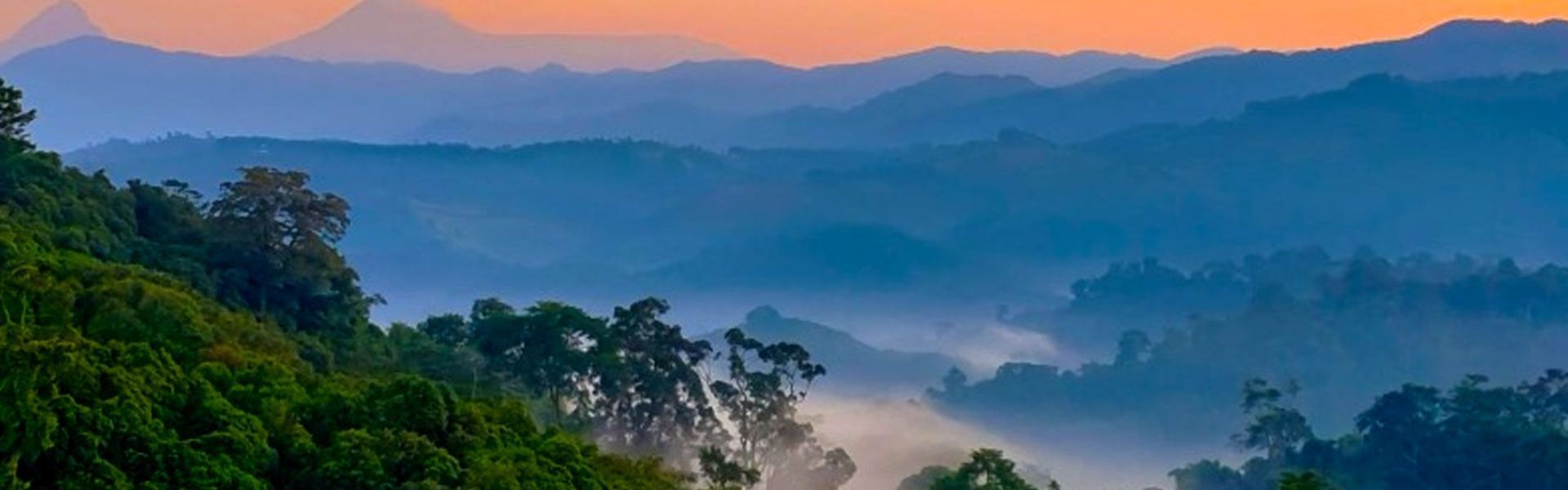
The forest lies on the slopes of the Congo-Nile Divide, offering scenic views of rolling hills, valleys, and streams. Its altitude ranges between 1,500 and 2,000 meters above sea level, creating a cool and moist climate suitable for diverse vegetation. The park connects to Mukura Forest, forming a corridor that supports wildlife movement and biodiversity conservation.
Vegetation and Biodiversity
Gishwati is a recovering tropical montane forest, with indigenous tree species such as bamboo, ferns, and hardwoods. Restoration efforts have reintroduced native plants, stabilizing soils and protecting watersheds. The forest plays a vital role in carbon storage and climate regulation, while also supporting pollinators and other ecological functions.
Wildlife
The forest is best known for its chimpanzee population, which has been habituated for tourism. Visitors can also encounter other primates, including blue monkeys and the rare L’Hoest’s monkey, endemic to the Albertine Rift. Beyond primates, Gishwati shelters small mammals, reptiles, and over 130 bird species, making it a hotspot for birdwatchers. Species such as the mountain yellow warbler and Rwenzori turaco highlight its ornithological importance.
Unique Attractions
Chimpanzee Tracking: Guided treks to observe chimpanzees in their natural habitat.
Primate Trekking: Opportunities to see blue monkeys and L’Hoest’s monkeys.
Birdwatching: Spot endemic and migratory birds across forest trails.
Community Walks: Engage with nearby villages to learn about local culture and conservation efforts.
Forest Restoration Tours: Learn about reforestation projects and the ecological recovery of Gishwati.
Activities in Gishwati Forest
Hiking: Explore trails through restored forest landscapes.
Wildlife Photography: Capture primates, birds, and scenic views.
Cultural Visits: Experience traditional Rwandan hospitality and crafts.
Camping: Stay close to nature at designated sites.
Educational Tours: Participate in conservation awareness programs.
Accommodation
The only lodging within the park is the Forest of Hope Guest House, offering two twin rooms and a campsite. This eco-friendly facility provides basic but comfortable accommodation, emphasizing sustainability and community involvement. Visitors can also stay in nearby towns for more options.
Best Time to Visit
The dry seasons, from June to September and December to February, are ideal for trekking and wildlife viewing, with clearer trails and easier access. The rainy seasons, from March to May and October to November, bring lush greenery and active birdlife, though paths can be muddy. Each season offers unique experiences, from easier hikes in dry months to vibrant photography opportunities in wet months.
Visitor Tips
Book chimpanzee tracking permits in advance, as group sizes are limited.
Wear sturdy hiking boots, rain gear, and carry insect repellent.
Guided tours are essential for primate tracking and birdwatching.
Respect conservation rules: avoid disturbing wildlife and stay on marked trails.
Support local communities by purchasing crafts or joining cultural walks.
Early mornings are best for primate tracking and birdwatching.