
Ultimate Guide to Lake Kivu Safari
Find Lake Kivu Safari Tours from Verified Rwanda Operators
The Ultimate Guide to Lake Kivu Safari
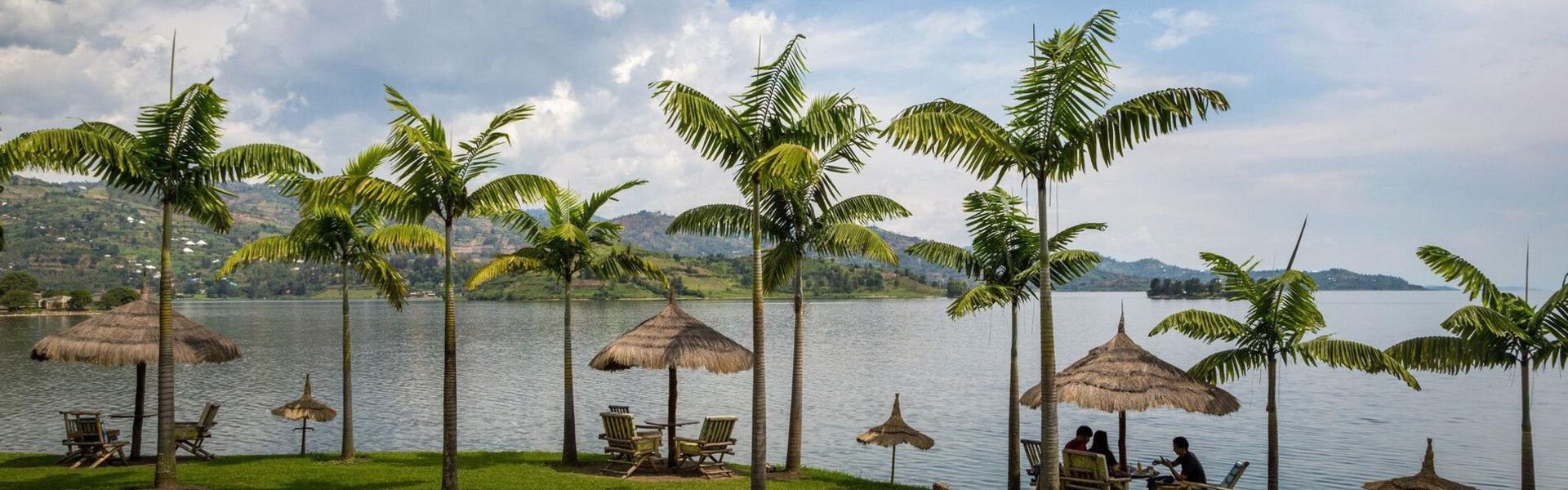
Lake Kivu SafariLake Kivu, stretching across 2,700 km² (1,000 sq mi), is Rwanda’s largest lake and ranks as the sixth largest in Africa. Nestled between steep, terraced hills, the lake forms part of the Albertine Rift Valley and lies along the border between Rwanda and the Democratic Republic of Congo. Its scenic shoreline is dotted with resort towns such as Gisenyi, Kibuye, and Cyangugu, which serve as peaceful retreats after gorilla and chimpanzee treks in Volcanoes and Nyungwe Forest National Parks. Known for its calm waters and safety, Lake Kivu is unique among African lakes as it has no dangerous animals like hippos or crocodiles.
Geography and Landscape
The lake sits at an altitude of about 1,460 meters above sea level, surrounded by lush hills and volcanic landscapes. Its deep waters are part of a geological rift system, making it one of the world’s few lakes with significant methane gas reserves. The shoreline alternates between sandy beaches, rocky cliffs, and cultivated terraces, offering diverse scenery for visitors.
Islands
Lake Kivu is home to hundreds of islands, each with its own charm. The most famous is Napoleon Island, located near Karongi, which serves as a conservation area and hosts one of Africa’s largest colonies of straw-colored fruit bats. Other islands provide nesting grounds for birds and opportunities for exploration by boat.
Biodiversity
While the lake itself is relatively safe from large predators, it supports fish species such as tilapia and Nile perch, which sustain local fishing communities. The surrounding hills and islands are rich in birdlife, making Lake Kivu a hotspot for ornithologists and nature lovers.
Activities at Lake Kivu
Boat Tours: Explore islands and scenic shorelines on guided boat trips.
Beach Relaxation: Enjoy sandy beaches and resort facilities in towns like Gisenyi.
Birdwatching: Spot diverse bird species around islands and wetlands.
Hiking: Trek through terraced hills and volcanic landscapes overlooking the lake.
Cultural Visits: Experience local traditions, music, and cuisine in lakeside towns.
Fishing: Join local fishermen or learn about traditional fishing practices.
Photography: Capture panoramic views of the lake, islands, and surrounding hills.
Best Time to Visit
Lake Kivu can be visited year-round, but the dry seasons from June to September and December to February are ideal for outdoor activities and boat tours. The rainy seasons, from March to May and October to November, bring lush greenery and vibrant birdlife, though heavy rains may affect travel.
Visitor Tips
Carry sunscreen, hats, and insect repellent for lakeside activities.
Boat tours are the safest and most common way to explore islands.
Guided trips enhance the experience, offering insights into local culture and ecology.
Support community initiatives by staying in locally run guesthouses or purchasing crafts.
Early mornings and evenings provide the best light for photography and calm waters for boating.