

Ultimate Guide to Congo Nile Trail Safari
Find Congo Nile Trail Safari Tours from Verified Rwanda Operators
The Ultimate Guide to Congo Nile Trail Safari
Congo Nile Trail SafariThe Congo Nile Trail is one of Rwanda’s most celebrated adventure routes, stretching along the scenic Congo–Nile Divide between Rusizi in the south and Rubavu in the north. Designed for both hiking and mountain biking, the trail offers an immersive journey through Rwanda’s breathtaking landscapes, cultural villages, and lakeside towns. Covering more than 200 kilometers, the trail is divided into eight biking stages and ten hiking stages, each typically completed in a day. At the end of every stage, visitors find food, lodging, and opportunities to interact with local communities.
Geography and Landscape
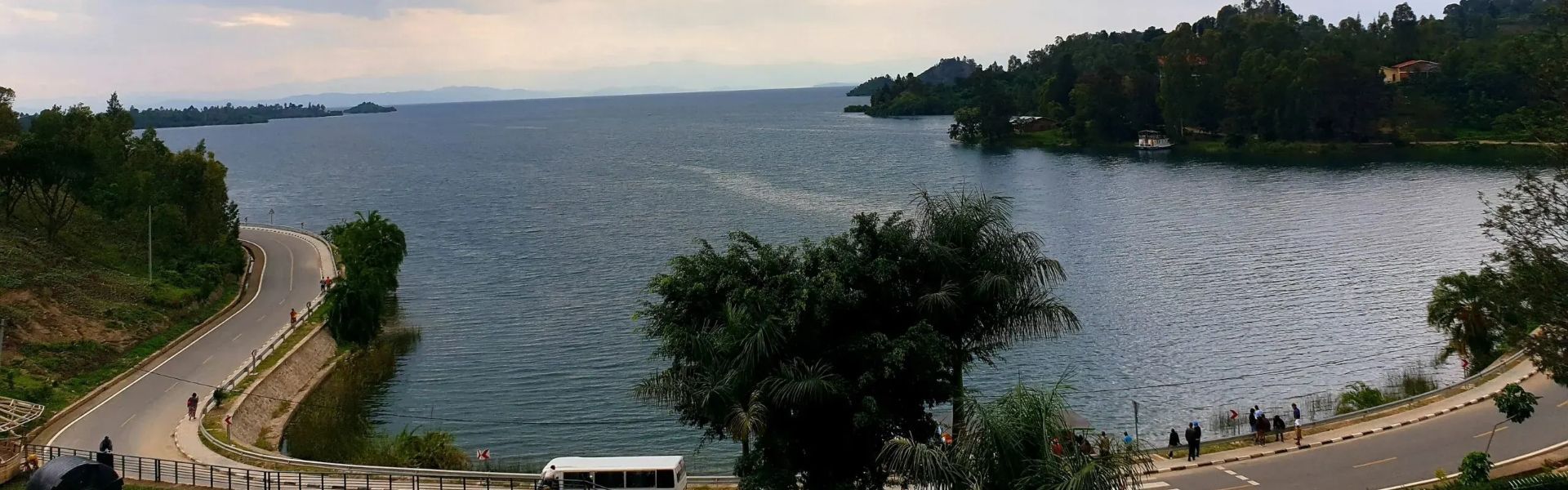
The trail winds through the rolling green hills of western Rwanda, following the shores of Lake Kivu and climbing into highland ridges. Terraced farms, tea plantations, and banana groves line the path, while panoramic views of the lake and distant volcanoes create unforgettable scenery. The route crosses five districts: Rubavu, Rutsiro, Karongi, Nyamasheke, and Rusizi, showcasing the diversity of Rwanda’s western corridor.
Biodiversity
Along the trail, travelers encounter rich ecosystems ranging from lakeside wetlands to montane forests. Birdlife is abundant, with species such as kingfishers, sunbirds, and fish eagles commonly spotted. The trail also passes near protected areas, offering glimpses of Rwanda’s unique flora and fauna.
Wildlife
While the trail itself is more cultural and scenic than wildlife-focused, it borders two of Rwanda’s national parks: Nyungwe Forest National Park and Gishwati-Mukura Forest National Park. This proximity allows adventurers to extend their journey into primate tracking, birdwatching, and forest exploration. Chimpanzees, colobus monkeys, and other primates thrive in these forests, adding a wildlife dimension to the trail experience.
Activities on the Congo Nile Trail
Mountain Biking: Ride through eight stages, each with unique terrain and views.
Hiking: Trek across ten stages, from lakeside paths to highland ridges.
Cultural Encounters: Visit villages, tea plantations, and local markets along the way.
Birdwatching: Spot diverse bird species in wetlands and forests.
Photography: Capture terraced hills, Lake Kivu sunsets, and vibrant communities.
Community Tourism: Stay in guesthouses, eat local food, and engage with residents.
Water Activities: Combine the trail with boat rides on Lake Kivu.
Best Time to Visit
The dry seasons, from June to September and December to February, are ideal for biking and hiking, with clearer paths and less rainfall. The rainy seasons, from March to May and October to November, bring lush scenery and vibrant birdlife, though trails may be slippery.
Visitor Tips
Carry sturdy hiking boots or a mountain bike suitable for rough terrain.
Pack light but include essentials like water, snacks, sunscreen, and insect repellent.
Accommodation ranges from guesthouses to campsites—book in advance for popular stages.
Guided tours enhance the experience, offering cultural insights and navigation support.
Respect local customs and support community initiatives by purchasing crafts or meals.
Early mornings provide cooler weather and the best conditions for long treks.