

Ultimate Guide to Katonga Safari
Find Katonga Safari Tours from Verified Uganda Operators
The Ultimate Guide to Katonga Safari
Katonga SafariKatonga Wildlife Reserve, located in western Uganda, is a unique conservation area that stretches across 211 km² (81 sq mi) along the banks of the Katonga River. Established in 1998, the reserve was created to protect its distinctive wetland ecosystem and the diverse species that thrive within it. Unlike many other Ugandan reserves dominated by savannah or forest, Katonga’s identity is closely tied to its riverine wetlands, making it a haven for rare plants, animals, and birds.
The Katonga River
The reserve takes its name from the Katonga River, a waterway that plays a vital role in shaping the landscape and ecology of the region.
Flow Patterns: The river primarily flows eastward from swamps near Lake Wamala into Lake Victoria, though at times it also channels water westward toward Lake George.
Wetland Habitat: These shifting flows create seasonal wetlands that sustain a variety of species, from aquatic plants to mammals adapted to swampy environments.
Cultural Importance: The river has long been a lifeline for local communities, providing water, fishing grounds, and fertile soils along its banks.
Location & Accessibility
Katonga Wildlife Reserve lies within the Ibanda and Kamwenge Districts of western Uganda, with parts extending into Kyenjojo District.
Distance from Kampala: Approximately 200 km west of Uganda’s capital city.
Coordinates: 00°02′N, 30°25′E.
Access Routes:
From Kyegegwa on Fort Portal Road, visitors follow a 40 km dirt road south through Mparo and Kalwreni to reach the entrance gate.
Kalwreni village lies just 7 km from the gate.
Alternative access is possible from Kibale National Park via Kamwenge and Ibanda, making Katonga a convenient stop for travelers exploring western Uganda’s protected areas.
Vegetation
The reserve’s vegetation is a mosaic of ecosystems, reflecting its mix of savannah, wetlands, and forest pockets.
Savannah Grasslands: Dominated by species such as star grass, Bermuda grass, and Rhodes grass, which provide grazing for herbivores.
Acacia Scrubland & Woodlands: Scattered trees and shrubs support browsing animals and birdlife.
Wetlands: Both permanent and seasonal swamps form the heart of Katonga’s ecology, sustaining sitatunga antelopes and aquatic species.
Riverine & Tropical Forests: Small patches of dense forest along waterways add to the reserve’s biodiversity.
Wildlife
Katonga is home to more than 40 mammal species and over 150 bird species, many of which are closely tied to its wetland habitats.
Mammals:
Sitatunga (a swamp-dwelling antelope, rarely seen elsewhere)
Reedbuck, waterbuck, bushbuck, and warthog
Colobus monkeys and elephants
Otters in the river systems
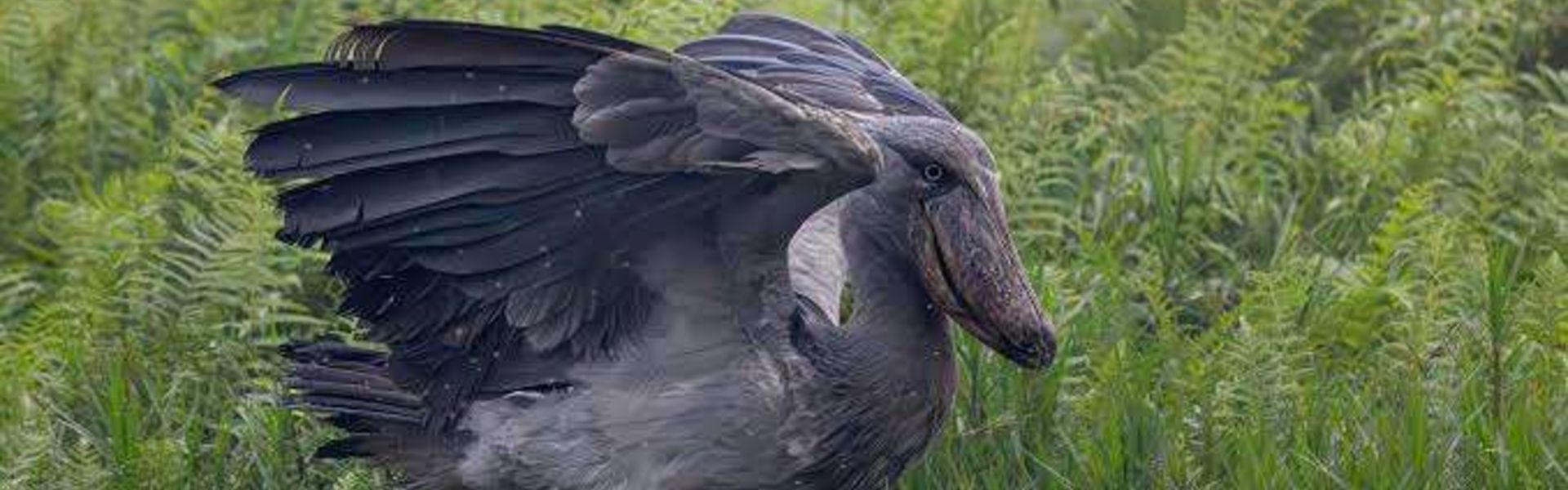
Birds: The reserve is a paradise for birdwatchers, with diverse waterfowl and savannah species thriving in its varied habitats.
Activities
Visitors to Katonga Wildlife Reserve can enjoy a range of immersive experiences:
Guided Walks: The reserve is best explored on foot, allowing close encounters with wildlife and vegetation.
River Canoe Excursions: Canoeing along the Katonga River offers a peaceful way to observe sitatunga, otters, and birdlife.
Camping: The Uganda Wildlife Authority maintains a campsite with guides and a restaurant, providing basic facilities for overnight stays.
Birdwatching: With over 150 species recorded, the reserve is a rewarding destination for ornithologists and nature enthusiasts.
Best Time to Visit
Dry Season (December–February, June–August): Easier access to trails and clearer wildlife viewing.
Wet Season (March–May, September–November): Wetlands are lush and full of life, though paths may be muddy and canoeing more adventurous.
Visitor Tips
Carry sturdy walking shoes and waterproof clothing, as wetlands can be unpredictable.
Guided tours are recommended for safety and deeper insights into the reserve’s ecology.
Combine a visit with nearby attractions such as Kibale National Park or Queen Elizabeth National Park for a richer safari experience.
Respect conservation rules-Katonga’s wetlands are fragile ecosystems that depend on careful management.