
Ultimate Guide to Kyambura Safari
Find Kyambura Safari Tours from Verified Uganda Operators
The Ultimate Guide to Kyambura Safari
Kyambura SafariKyambura Wildlife Reserve, sometimes called Chambura Game Reserve is a protected area in western Uganda that adjoins the famous Queen Elizabeth National Park. The reserve is best known for the spectacular Kyambura Gorge, a dramatic 16 km chasm carved into the savanna, sheltering a lush riverine forest. This “underground forest” is a striking contrast to the surrounding grasslands and serves as a vital water source for wildlife. While the savanna supports a variety of animals, the gorge itself is celebrated for its unusually high concentration of primates, making Kyambura a unique destination within Uganda’s conservation landscape.
History
1962: Established as the Kyambura Controlled Hunting Area.
1965: Upgraded to game reserve status.
1980s: Southern parts of the reserve were colonized by settlers, later evicted in 1990.
1990s: Land leased to a private concessionaire, Zwilling, but hunting rights were terminated in 1999 due to illegal practices.
1996: Following the Uganda Wildlife Statute, all game reserves were renamed wildlife reserves, giving Kyambura its current designation.
Today, Kyambura functions as a buffer zone for Queen Elizabeth National Park, helping protect its ecosystems while offering unique wildlife experiences.
Geography
Location: Northeastern edge of Queen Elizabeth National Park, about 30 km from park headquarters.
Size: Covers 156 km² with a mean altitude of 1,100 m above sea level.
Kyambura Gorge: Extends 11–16 km, linking to the Kazinga Channel, which forms the reserve’s northern boundary.
Surroundings: Villages and plantations lie to the south, while the reserve connects with Maramagambo Forest and Kigezi Game Reserve. Together with QENP, these areas form the Queen Elizabeth Protected Area (QEPA), which borders Virunga National Park in the Democratic Republic of the Congo.
The landscape is primarily rolling savanna grassland, but the gorge supports dense riverine forest along the Kyambura River, creating a striking ecological contrast.
Wildlife
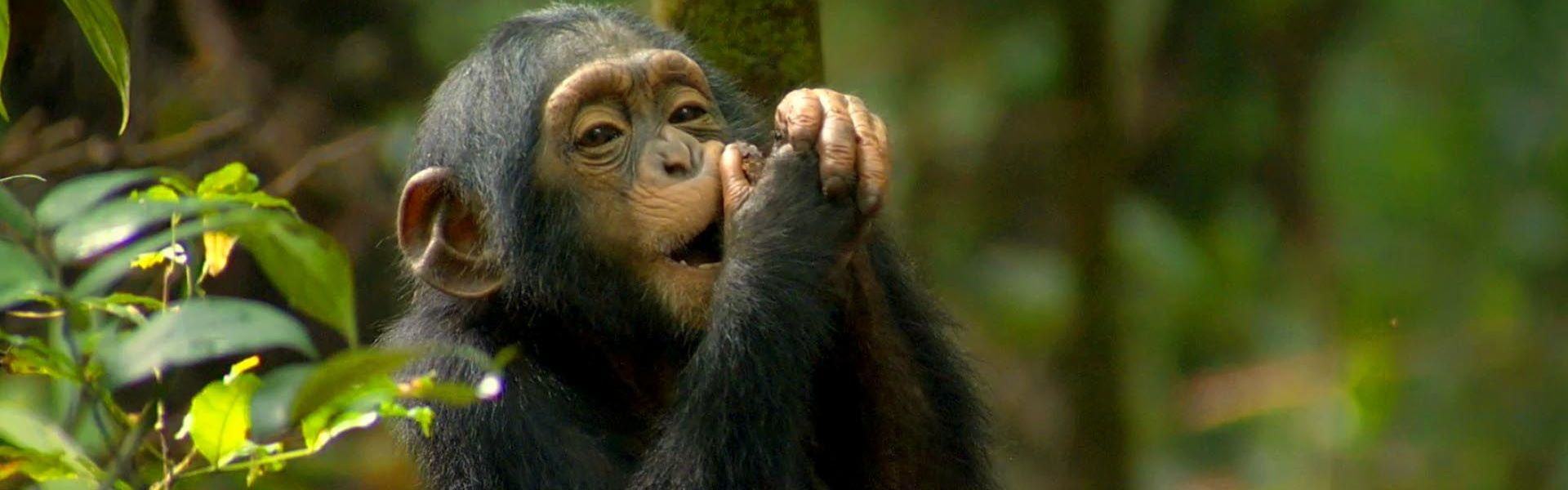
Kyambura is renowned for its primate populations, particularly its habituated chimpanzees, which are the only ones in the QEPA region accessible to tourists. Other primates include:
Red-tailed monkeys
Black-and-white colobus monkeys
Vervet monkeys
Olive baboons
The gorge also hosts a variety of bird species, such as falcons, the blue-headed bee-eater, and the African finfoot.
Conservation Concerns
The chimpanzees of Kyambura Gorge have become isolated due to deforestation that cleared connections to larger forests like Kalinzu and Maramagambo. Conservationists worry this isolation could lead to inbreeding and genetic mutations, threatening the long-term survival of the population.
Activities
Chimpanzee Tracking: The highlight of Kyambura, offering close encounters with habituated chimpanzees.
Primate Viewing: Spot colobus, vervets, and baboons in their natural habitats.
Birdwatching: Observe diverse avian species across savanna and forest habitats.
Scenic Walks: Explore the gorge’s “underground forest,” a hidden world of greenery beneath the savanna.
Best Time to Visit
Dry Season (December–February, June–August): Best for trekking and wildlife viewing, with easier access to trails.
Wet Season (March–May, September–November): The gorge is lush and atmospheric, though paths may be muddy and more challenging.
Visitor Tips
Book chimpanzee tracking permits in advance through Uganda Wildlife Authority.
Wear sturdy shoes and carry rain gear for gorge treks.
Guided tours are essential for safety and to maximize wildlife encounters.