
Ultimate Guide to Queen Elizabeth Safari
Find Queen Elizabeth Safari Tours from Verified Uganda Operators
The Ultimate Guide to Queen Elizabeth Safari
Queen Elizabeth SafariQueen Elizabeth National Park (QENP), located in western Uganda, is one of the country’s most famous and diverse protected areas. Covering about 1,978 km² (764 sq mi), it stretches across the districts of Kasese, Kamwenge, Rubirizi, and Rukungiri. The park is part of a larger ecological network that includes Kyambura Wildlife Reserve, Kigezi Game Reserve, Maramagambo Forest, and Kibale National Park to the northeast, while Virunga National Park in the Democratic Republic of the Congo lies just across the western border. Together, these protected areas completely encircle Lake Edward, creating one of Africa’s most important transboundary conservation landscapes.
History
The origins of Queen Elizabeth National Park are deeply tied to colonial and post-colonial conservation policies. In 1921, epidemics of rinderpest and sleeping sickness devastated the indigenous Songora pastoralists, leading to mass deaths and emigration. Colonial authorities seized the opportunity to evict survivors from nearly 90% of their ancestral lands, burning homes and slaughtering livestock to clear space for game reserves.
In 1952, the British administration formally established Kazinga National Park by merging the Lake George and Lake Edward reserves. Two years later, it was renamed Queen Elizabeth National Park to commemorate a visit by Queen Elizabeth II. This renaming coincided with the final removal of communal grazing rights, forcing thousands of Songora herders into Virunga National Park across the border.
The park’s history has continued to be marked by human-wildlife conflict. In 2006, the Basongora people fled conflict in the DRC and resettled inside the park. Their livestock suffered predation, and retaliatory poisoning of carcasses led to the death of eleven lions in 2018, sparking international outrage. Poaching incidents, such as the killing of six elephants in 2015, further highlighted the challenges of balancing conservation with community needs.
Geography & Landscape
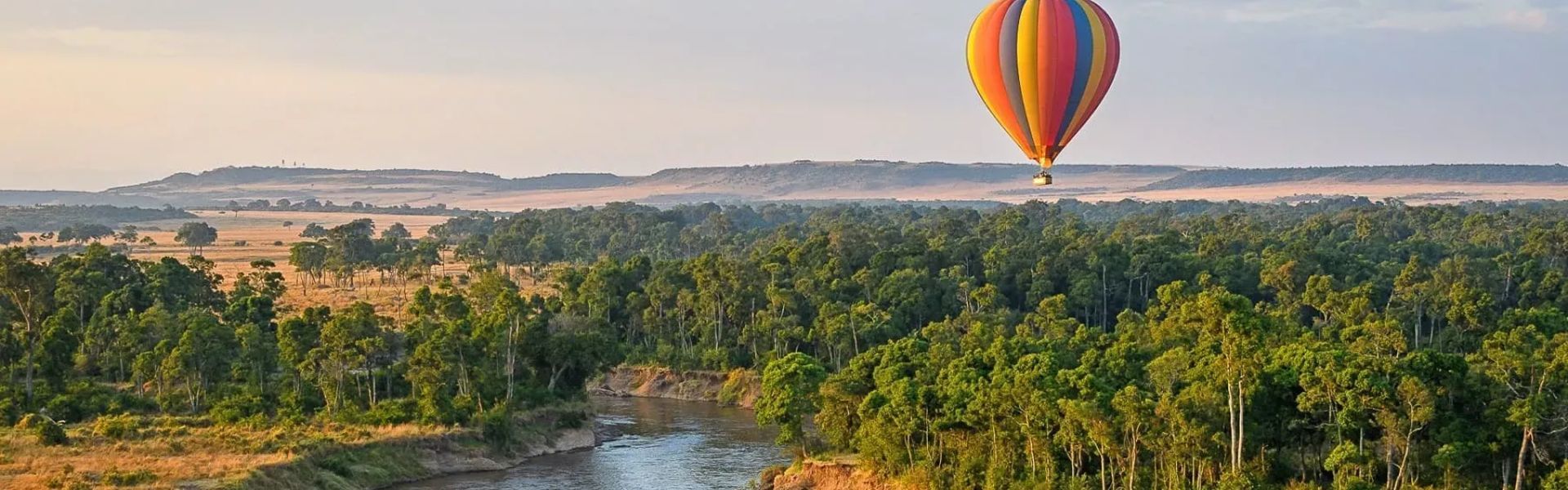
QENP is a landscape of remarkable variety. It features open savanna grasslands, dense forests, wetlands, volcanic cones, and crater lakes. The Kazinga Channel, a natural waterway linking Lake George and Lake Edward, is one of the park’s most iconic features, teeming with hippos, crocodiles, and waterbirds. The Ishasha Sector in the south is famous for its tree-climbing lions, whose males often sport distinctive black manes. Volcanic features such as the Katwe Craters add geological interest, with salt extraction continuing as a traditional practice.
Wildlife
Queen Elizabeth National Park is home to an extraordinary range of species.
Mammals: 95 species including elephants, buffalo, hippos, warthogs, waterbuck, topi, giant forest hogs, Nile crocodiles, chimpanzees, leopards, hyenas, and lions.
Birds: Over 600 species, making it one of Africa’s premier birdwatching destinations.
Unique Highlights: Tree-climbing lions of Ishasha, large hippo pods in the Kazinga Channel, and diverse primates in Kyambura Gorge.
The park, together with Virunga National Park, was designated a Lion Conservation Unit by the IUCN in 2006. Conservation programs such as the Uganda Carnivore Program actively monitor lions, leopards, and hyenas using radio collars and field research.
Activities
Game drives in Kasenyi Plains and Ishasha Sector
Boat cruises along the Kazinga Channel
Birdwatching across wetlands, forests, and crater lakes
Chimpanzee tracking in Kyambura Gorge
Guided crater walks and salt lake tours
Cultural visits to nearby communities
Visitor Tips
Book chimpanzee tracking and boat cruises in advance.
Carry binoculars and cameras for birding and photography.
Travel with guides for safety and deeper insights.
Respect conservation rules and cultural sensitivities.