
Ultimate Guide to Rwenzori Safari
Find Rwenzori Safari Tours from Verified Uganda Operators
The Ultimate Guide to Rwenzori Safari
Rwenzori SafariRwenzori Mountains National Park, located in southwestern Uganda, is one of Africa’s most spectacular mountain destinations. Covering nearly 1,000 km² (386 sq mi), the park is famed for its glaciers, waterfalls, lakes, and dramatic peaks. It is home to Margherita Peak (5,109 m) on Mount Stanley, Africa’s third-highest summit, as well as Mount Speke and Mount Baker, the continent’s fourth and fifth highest peaks. The park’s unique alpine vegetation and breathtaking scenery earned it recognition as a UNESCO World Heritage Site in 1994, highlighting its global importance.
History
The park was officially established in 1991 to protect the central and eastern portions of the Rwenzori Mountains. In 1994, UNESCO designated it a World Heritage Site due to its outstanding natural beauty and ecological significance. However, insecurity during the late 1990s led to rebel militias occupying the mountains between 1997 and 2001. As a result, the park was placed on UNESCO’s List of World Heritage in Danger from 1999 to 2004. Following restoration of stability and improved management, it was removed from the danger list, reaffirming its value as a conservation stronghold.
Geography & Landscape
The park lies along the Albertine Rift Valley, bordering the Democratic Republic of the Congo’s Virunga National Park for 50 km. It spans the districts of Bundibugyo, Kabarole, and Kasese, with Kasese town serving as the main gateway. Covering 996 km², the park stretches 120 km in length and 48 km in width, with 70% of its area above 2,500 m.
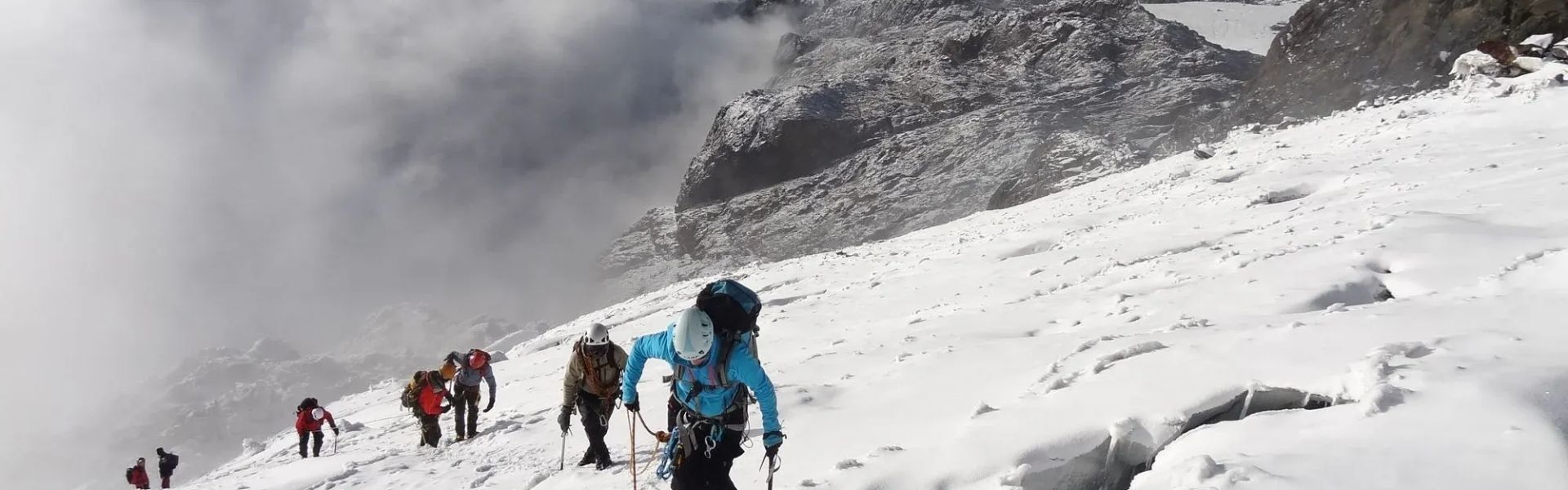
The Rwenzori range rises dramatically above the surrounding plains, with snow-capped peaks despite being located just north of the equator. Glaciers, snowfields, waterfalls, and alpine lakes make it one of Africa’s most beautiful mountain landscapes.
Biodiversity
Rwenzori Mountains National Park is celebrated for its extraordinary plant life, often described as some of the most beautiful in the world. The park contains five distinct vegetation zones, which change with altitude: montane forest, bamboo, tree heath, alpine moorland, and glacial zones. Giant lobelias, groundsels, and heathers dominate the higher elevations, creating surreal landscapes.
Wildlife is equally diverse, with species endemic to the Albertine Rift system. The park hosts:
Mammals: Forest elephants, chimpanzees, hyrax, Angola colobus, L’Hoest’s monkeys, and the rare Rwenzori duiker.
Birds: 89 species, including the Rwenzori turaco.
Invertebrates: 15 butterfly species and numerous alpine insects adapted to high altitudes.
Conservation & Tourism
The park is managed by the Uganda Wildlife Authority, with strict protection measures in place. Kasese town, located 437 km west of Kampala, serves as the hub for visitors, offering hotels and lodges. Inside the park, a network of trails and huts supports trekking and climbing expeditions. The most popular trek is a seven-day circuit through diverse vegetation zones, offering views of glaciers, lakes, and peaks.
Tourism is centered on trekking, mountaineering, and nature appreciation. The park’s unique alpine flora and dramatic scenery make it a magnet for adventurers and researchers alike.
Activities
Multi-day trekking circuits through diverse vegetation zones
Mountaineering expeditions to Margherita Peak and other summits
Birdwatching for Albertine Rift endemics
Scenic hikes to waterfalls and alpine lakes
Cultural visits to nearby communities in Kasese and Bundibugyo
Visitor Tips
Prepare for cold, wet conditions carry waterproof gear and warm clothing.
Acclimatize properly before attempting high-altitude climbs.
Book guided treks through Uganda Wildlife Authority for safety.
Carry binoculars and cameras to capture alpine flora and birdlife.