
Ultimate Guide to Mgahinga Safari
Find Mgahinga Safari Tours from Verified Uganda Operators
The Ultimate Guide to Mgahinga Safari
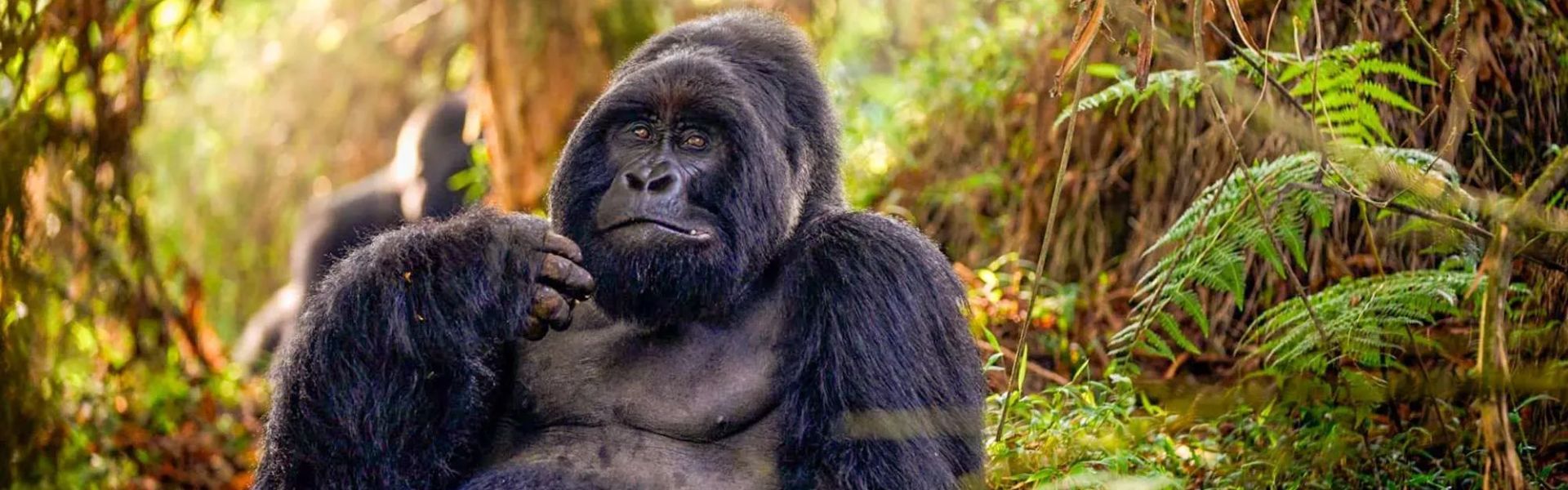
Mgahinga SafariMgahinga Gorilla National Park, located in southwestern Uganda, is the smallest of the country’s national parks, covering just 33.9 km² (13.1 sq mi). Despite its size, it holds immense ecological and cultural significance. Established in 1991, the park protects part of the Virunga Mountains, a chain of ancient volcanoes shared by Uganda, Rwanda, and the Democratic Republic of the Congo. Mgahinga is celebrated as a sanctuary for endangered mountain gorillas and golden monkeys, while also offering breathtaking volcanic landscapes and rich cultural heritage.
Geography
The park lies within the Virunga volcanic range, encompassing three dormant volcanoes:
Mount Muhabura (4,127 m): Known as “The Guide,” it offers panoramic views of the Virungas and beyond.
Mount Gahinga (3,474 m): Named after the piles of volcanic stones found at its base.
Mount Sabyinyo (3,669 m): Called “Old Man’s Teeth” due to its jagged peaks, marking the tri-border point of Uganda, Rwanda, and DRC.
Altitudes range from 2,227 m to 4,127 m, placing the park within the Nile River watershed. Mgahinga is contiguous with Rwanda’s Volcanoes National Park and DRC’s Virunga National Park, forming part of a larger transboundary conservation area.
The park is located about 15 km south of Kisoro town and 55 km west of Kabale, making it accessible yet remote enough to retain its wilderness charm.
Climate
Mgahinga experiences two rainy seasons:
February–May
September–December
Rainfall peaks in October (around 250 mm) and drops to its lowest in July (about 10 mm). The climate supports diverse vegetation zones, from bamboo forests to alpine moorlands.
Biodiversity
Mgahinga’s habitats include bamboo stands, Albertine Rift montane forests, Ruwenzori-Virunga moorlands, and alpine zones at higher elevations.
Wildlife
Mountain Gorillas: Around 30 individuals live in the park, with one habituated group available for trekking.
Golden Monkeys: Endemic to the Albertine Rift, their range is now restricted to the Virungas and one forest in Rwanda.
Other Mammals: Black-and-white colobus, buffalo, elephants, bushbuck, giant forest hogs, bushpigs, leopards, and small predators.
Birdlife: Surveys recorded 76 mammal species and numerous Albertine Rift endemics, including Rwenzori turaco, regal sunbird, dusky crimson-wing, handsome spurfowl, and Grauer’s swamp warbler.
History
The area was first designated as a game reserve between the 1930s and 1950s, though lower altitudes were later converted to farmland. In 1989, biological surveys began, wire traps were destroyed, and reforestation efforts were initiated. By 1991, Mgahinga was officially gazetted as a national park, with settlers relocated outside its boundaries.
In November 2013, the park briefly entered international headlines when the M23 rebel group from the DRC surrendered within its borders after defeat by the Congolese Army.
Activities
Gorilla Tracking: Trekking to see the habituated gorilla group is the park’s highlight.
Golden Monkey Tracking: Unique to Mgahinga, offering encounters with this rare primate.
Volcano Hiking: Ascend Muhabura, Gahinga, or Sabyinyo for stunning views.
Birdwatching: Spot Albertine Rift endemics in diverse habitats.
Cultural Encounters: Learn about the Batwa people, who once lived in the forest and now share their traditions through guided experiences.
Best Time to Visit
Dry Seasons (June–August, December–February): Best for trekking and hiking, with clearer skies and easier trails.
Wet Seasons (March–May, September–November): Forests are lush and atmospheric, though trekking can be more challenging.
Visitor Tips
Book gorilla and golden monkey permits in advance through Uganda Wildlife Authority.
Carry waterproof clothing, sturdy boots, and warm layers for high-altitude treks.
Guided tours are essential for safety and deeper insights.
Combine Mgahinga with visits to Bwindi Impenetrable National Park for a complete gorilla safari experience.