

Ultimate Guide to Abijatta–Shalla Safari
Find Abijatta–Shalla Safari Tours from Verified Ethiopia Operators
The Ultimate Guide to Abijatta–Shalla Safari
Abijatta–Shalla SafariAbijatta–Shalla National Park is one of Ethiopia’s most remarkable protected areas, located in the Oromia Region within the Ethiopian Highlands. Roughly 200 kilometers south of Addis Ababa, the park lies east of the Batu-Shashamane highway and forms part of the dramatic Great Rift Valley landscape. Covering 887 square kilometers, the park is best known for its twin alkaline lakes-Lake Abijatta and Lake Shalla-which are separated by a narrow stretch of hilly terrain. Together, these lakes and their surrounding ecosystems create a haven for wildlife, birdlife, and geological wonders.
Geography
The park’s altitude ranges between 1,540 and 2,075 meters, with Mount Fike standing as the highest peak, positioned between the two lakes. From its summit, visitors can enjoy panoramic views of Abijatta, Shalla, and Langano Lakes, making it a prime trekking and photography spot.
Lake Abijatta: Famous for its shallow waters, hot springs, and massive flocks of flamingoes. The lake’s edges are fragile, with thin crusts of dried mud that can collapse under vehicles, requiring caution.
Lake Shalla: A deep volcanic lake formed by ancient eruptions of the O’a Caldera. Its shores host rich hot springs, particularly on the southwest and eastern sides.
Lake Chitu: A smaller saline lake south of Shalla, notable for its striking blue-green color caused by dense algae growth.
Together, these lakes highlight the park’s volcanic origins and provide diverse habitats for wildlife and birds.
Landscape & Ecology
The park’s terrain is a mosaic of open grasslands, dry savannas, arid shrublands, and deciduous woodlands. Vegetation is dominated by Acacia species, including umbrella thorn, red acacia, gum acacia, and sycamore fig. These trees not only shape the landscape but also provide food and shelter for countless animals and birds.
The volcanic soils, hot springs, and alkaline lakes create unique ecological niches, supporting both terrestrial and aquatic life. Seasonal changes bring dramatic shifts-lush greenery during the rains and stark, dry savannas during the dry season.
Wildlife
Mammals
The park hosts 76 species of mammals, ranging from antelopes to predators. Common sightings include:
Grant’s gazelles, bohor reedbucks, oribis, warthogs, and greater kudus.
Predators such as caracals, honey badgers, spotted hyenas, and black-backed jackals.
Primates like olive baboons and colobus monkeys.
Sadly, larger species such as lions, giraffes, buffalos, and Swayne’s hartebeests have disappeared due to hunting and habitat loss.
Endemic mammals include Scott’s hairy bat, Mahomet mouse, Ethiopian white-footed mouse, Abyssinian grass rat, and Harrington’s rat, making the park scientifically important for biodiversity conservation.
Birds
With over 300 bird species, Abijatta–Shalla is a paradise for birdwatchers.
Flamingoes (greater and lesser) thrive on Abijatta, Shalla, and Chitu, feeding on algae.
Great white pelicans breed exclusively on Lake Shalla.
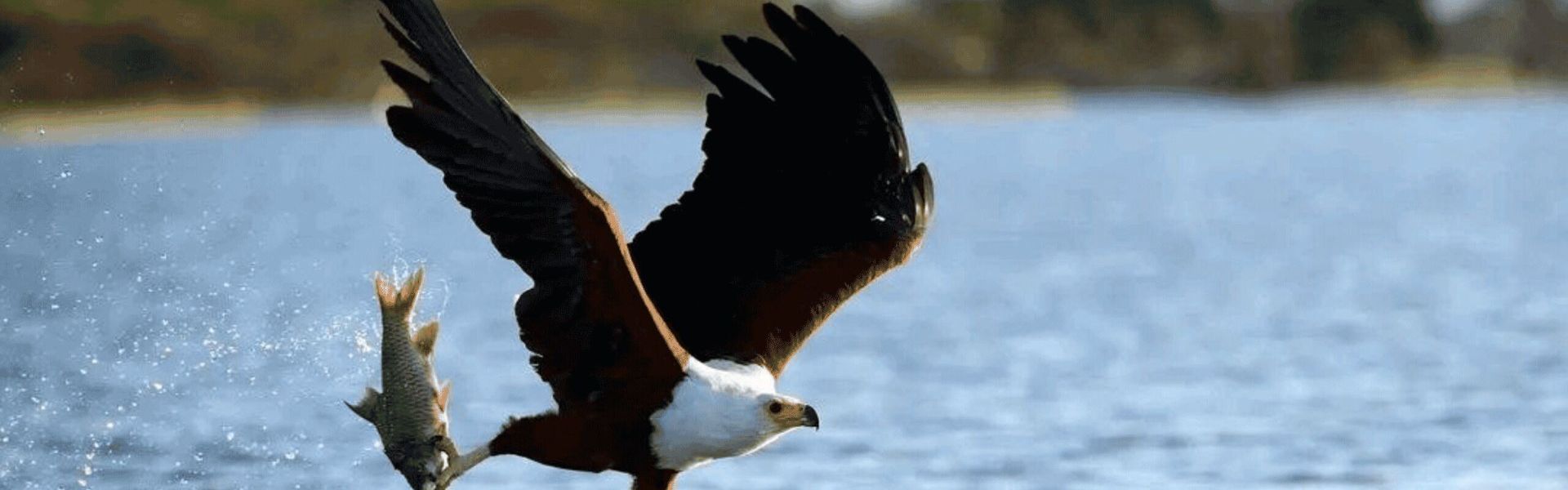
Other residents include storks, herons, egrets, plovers, cormorants, parrots, ducks, eagles, owls, hornbills, and bee-eaters.
Endemic birds such as the wattled ibis and yellow-fronted parrot are unique to Ethiopia, while near-endemics like the black-winged lovebird and white-billed starling add to the park’s ornithological significance.
Geology
The park lies within the Great Rift Valley, shaped by volcanic activity and tectonic movements. The alkaline lakes were formed by eruptions of the O’a Caldera and subsequent earthquakes. The rugged terrain, hot springs, and saline lakes are evidence of ongoing geothermal processes, making the park a natural laboratory for geologists.
Archaeology & History
The region has long been inhabited and used by local communities. While not as archaeologically famous as northern Ethiopia, the park’s volcanic landscapes and lakes have cultural significance, serving as sources of salt, grazing land, and spiritual sites for generations.
Conservation Challenges
Although established to protect wildlife, the park faces serious threats:
Deforestation: Acacia woodlands are being cut for charcoal.
Encroachment: Nomadic herders moved into the park during political instability, bringing livestock that compete with wildlife.
Soil exploitation: Local groups harvest salty soil from Lake Abijatta’s shores for sale.
Despite these pressures, conservation efforts began in 1996, with plans to involve local communities in sustainable management. Birdlife remains abundant, but mammal populations have declined sharply.
Accommodation
There are no luxury lodges inside the park. Visitors rely on basic camping facilities near the gatehouse or designated sites. Some enclosures host ostriches and gazelles for educational purposes. For more comfort, travelers often stay at nearby Lake Langano resorts and make day trips into the park.
Access
By Road: The park is accessible from Addis Ababa via the Batu-Shashamane highway. Roads inside the park can be rough, requiring four-wheel drive vehicles.
By Air: Small airstrips exist nearby, though most visitors arrive by road.
Activities
Visitors can enjoy:
Birdwatching: Flamingoes, pelicans, and endemic species.
Photography: Stunning volcanic landscapes and Rift Valley views.
Trekking: Mount Fike offers panoramic vistas of three lakes.
Hot Springs Exploration: Natural geothermal pools around Shalla and Abijatta.
Camping: Wilderness experiences at designated sites.
Best Time to Visit
Dry Season (November-April): Easier access, clear views, and concentrated wildlife.
Wet Season (May-October): Lush vegetation and dramatic landscapes, though roads may be difficult.
Visitor Tips
Always use a four-wheel drive vehicle.
Bring supplies and water, as facilities are limited.
Respect conservation rules-wildlife and ecosystems are fragile.
Combine your trip with nearby Lake Langano or extend into southern Ethiopia for a broader Rift Valley experience.