

Ultimate Guide to Borana Safari
Find Borana Safari Tours from Verified Ethiopia Operators
The Ultimate Guide to Borana Safari
Borana SafariBorana National Park-also called Borena National Park-is a vast wildlife sanctuary located in the Borena Zone of Ethiopia’s Oromia Region, right at the southern edge of the Ethiopian Highlands. Covering about 45,366 km², it is one of the largest protected areas in Ethiopia. The park borders Kenya to the south, linking Ethiopia’s ecosystems with East Africa’s broader conservation landscape. To the west, it adjoins Chelbi Wildlife Reserve, to the east Geraille National Park, and to the north Yabelo Wildlife Sanctuary and Arero National Forest Priority Area, creating a continuous chain of protected habitats.
The park is divided into several conservation blocks-Yabello, Dida-Hara, Gammedo, Danbala-Dhibayu, and Sarite-each with distinct biodiversity and ecological features. Among its most unique attractions are the Booqee Sadeen maar lakes, including El Sod, a crater lake famous for its mineral-rich waters and salt deposits that have supported local communities for centuries.
Geography & Landscape
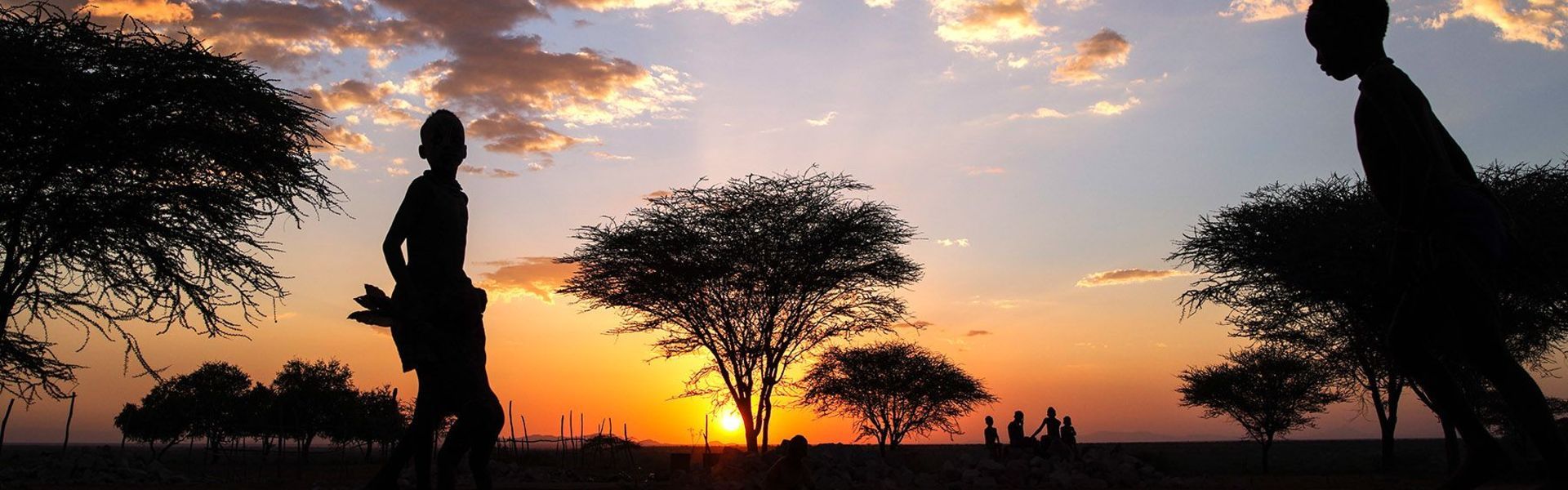
Borana National Park lies at the southern frontier of Ethiopia’s highlands, where rugged volcanic formations meet open savannahs and dry woodlands. The Sarite block is dominated by expansive grasslands and open savannah, while the Dida-Hara block features drought-resistant woodlands with species such as Boscia mossambicensis and Acacia tortilis. Together, these landscapes form part of the Somali Acacia-Commiphora bushlands and thickets ecoregion, with pockets of Ethiopian montane forests extending into the northern areas near Arero.
This ecological diversity makes Borana a transitional zone between highland and lowland habitats, supporting species adapted to both environments.
Flora
The park’s vegetation is remarkably diverse, with about 327 plant species documented across 197 genera and 69 families. Roughly 40% are trees and shrubs, 30% are forbs, 16% are grasses, and the remainder includes climbers, sedges, and succulents. Dry evergreen trees and junipers dominate the montane areas, while acacia woodlands and savannah grasses spread across the lower blocks. This botanical richness provides food, shelter, and breeding grounds for wildlife, while also sustaining traditional pastoralist communities.
Fauna
Borana National Park is home to at least 40 mammal species, making it a vital refuge for East African wildlife. It is especially notable for hosting two zebra species: the widespread plains zebra and the endangered Grevy’s zebra, which is one of Africa’s rarest large mammals. Other herbivores include greater and lesser kudus, Beisa oryxes, Soemmerring’s gazelles, Grant’s gazelles, warthogs, and gerenuks. Predators such as black-backed jackals roam the savannah, though larger carnivores are less common.
Historically, Swayne’s hartebeest herds thrived here, but they have since disappeared due to hunting and habitat loss.
Birdlife is equally impressive, with at least 280 species recorded. Four endangered endemics-Ethiopian bushcrows, white-tailed swallows, Prince Ruspoli’s turacos, and black-fronted spurfowls-make Borana a globally significant bird conservation site. Other species include ostriches, hornbills, starlings, guineafowl, larks, parrots, and nightjars, creating a vibrant avian community across the park’s varied habitats.
Conservation & Challenges
Borana National Park was originally designated as a controlled hunting zone but later upgraded to national park status due to poor management and declining wildlife populations. Today, it is jointly administered by the Oromia Forest & Wildlife Enterprise (OFWA) and the Ethiopian Wildlife Conservation Authority (EWCA).
Conservation priorities include repopulating zebra species, protecting endangered birds like the bushcrow, and mitigating drought impacts. However, the park faces serious challenges:
Droughts threaten water sources and grazing lands.
Invasive species disrupt native ecosystems.
Livestock overgrazing reduces food availability for wild herbivores.
Road collisions pose risks to wildlife movement.
Balancing community needs with ecological protection remains a central challenge for Borana’s future.
Activities
Visitors to Borana National Park can enjoy:
Wildlife Viewing: Spot zebras, gazelles, and kudus in open savannahs.
Birdwatching: Observe rare endemics like the Ethiopian bushcrow and Ruspoli’s turaco.
Exploring Maar Lakes: Visit El Sod crater lake, famous for its salt extraction traditions.
Photography & Trekking: Capture diverse landscapes from grasslands to volcanic craters.
Visitor Tips
Travel with a four-wheel drive vehicle, as roads can be rough and remote.
Bring supplies and water, since facilities are limited.
Respect conservation rules-wildlife here is fragile and globally significant