

Ultimate Guide to Mago Safari
Find Mago Safari Tours from Verified Ethiopia Operators
The Ultimate Guide to Mago Safari
Mago SafariMago National Park is one of Ethiopia’s most remote and culturally distinctive protected areas, located in the South Ethiopia Regional State, about 782 kilometers south of Addis Ababa. Covering 2,162 km², the park is divided by the Mago River, a tributary of the Omo, into two sections. To the west lies the Tama Wildlife Reserve, separated by the Tama River, while to the south stretches the Murle Controlled Hunting Area, distinguished by Lake Dipa along the lower Omo.
The park office is situated 26 kilometers southwest of Jinka and 115 kilometers north of Omorate, though all roads leading to the park remain unpaved, emphasizing its rugged and untouched character.
History & Geography
Established in 1979, Mago is Ethiopia’s newest national park. Its highest point is Mount Mago (2,528 m), which towers over a landscape of rivers, wetlands, grasslands, and wooded hills. The park’s environments include riverine forests along the Omo, Mago, and Neri rivers, wetlands near Lake Dipa, open savannah grasslands, and acacia-dominated shrublands.
This ecological variety makes Mago a mosaic of habitats, supporting both wildlife and human communities. The savannah and acacia woodlands dominate much of the terrain, while riverine forests host the largest trees and provide critical shelter for birds and mammals.
Ecology
Flora
The park’s vegetation is shaped by its rivers and wetlands. Grasslands cover about 9% of the park, while acacia woodlands and scrublands dominate the hillsides. Riverine forests along the Omo and Mago rivers are lush, with towering trees that sustain diverse wildlife. However, woody plant encroachment has been observed, linked to fire suppression, which alters the balance of grassland and woodland ecosystems.
Fauna
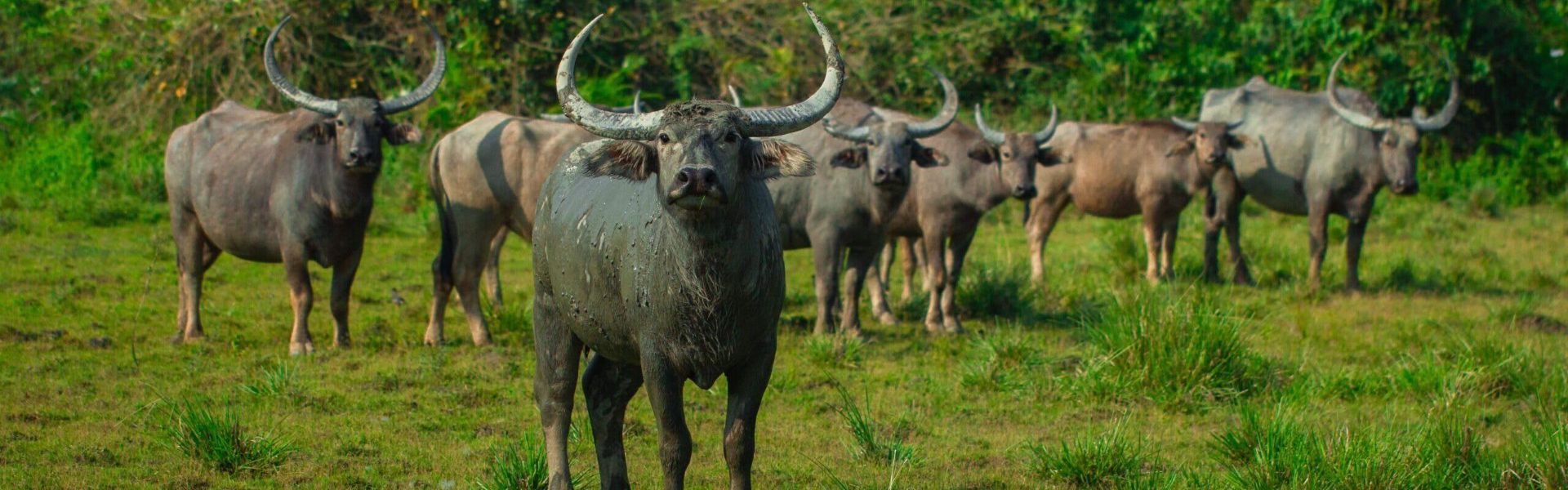
Mago National Park protects 74 mammal species, 237 bird species, 10 reptiles, and 14 fish species. Large mammals include lions, leopards, cheetahs, giraffes, elephants, Cape buffalo, hippos, zebras, and African wild dogs. Antelope species such as Lelwel hartebeest, Beisa oryx, and gerenuks roam the savannah, while crocodiles thrive in rivers and wetlands.
Birdlife is particularly rich, with rare species such as the dusky babbler at Lake Dipa, the violet wood hoopoe, and the Egyptian plover along riverbanks. Lake Dipa also hosts uncommon waterbirds like Allen’s gallinule and striated herons, while riverine forests shelter Pel’s fishing owl and the snowy-crowned robin-chat.
People & Culture
Beyond its wildlife, Mago is renowned for its cultural diversity. The park is home to the Mursi people, famous for their lip plates made of clay, a striking cultural practice that has drawn global attention. Along the lower Omo, communities such as the Aari, Banna, Bongoso, Hamar, Karo, Kwegu, Male, and Mursi live within and around the park, maintaining traditional lifestyles closely tied to the land.
This blend of natural and cultural heritage makes Mago unique among Ethiopia’s national parks, offering visitors both ecological and anthropological experiences.
Activities
Visitors to Mago National Park can enjoy:
Wildlife Watching: Spot elephants, giraffes, lions, and antelopes across savannahs and wetlands.
Birdwatching: Discover rare species at Lake Dipa and along riverine forests.
Cultural Encounters: Meet the Mursi and other Omo Valley communities, learning about their traditions.
Trekking & Hiking: Explore Mount Mago and the park’s diverse landscapes.
Photography: Capture wildlife, rivers, and the vibrant cultures of the Omo Valley.
Visitor Tips
Roads are unpaved-use a four-wheel drive vehicle for access.
Travel with a guide or ranger, especially when visiting cultural communities.
Bring supplies and water, as facilities are limited.
Respect local customs-cultural encounters should be approached with sensitivity.
Visit during the dry season (December-March) for easier travel, though the wet season offers lush scenery and birdlife.
Combine your trip with nearby Omo Valley cultural tours for a broader experience.