

Ultimate Guide to Gambella Safari
Find Gambella Safari Tours from Verified Ethiopia Operators
The Ultimate Guide to Gambella Safari
Gambella SafariGambella National Park-sometimes spelled Gambela-is Ethiopia’s largest national park, covering about 5,016 km² (1,937 sq mi) in the country’s far west. Established in 1974, the park was created to protect the habitats of rare antelope species such as the Nile lechwe and the white-eared kob. Despite its size and ecological importance, Gambella has faced challenges with management and protection, yet it remains one of Ethiopia’s most spectacular wildlife destinations.
Located several hundred kilometers from Addis Ababa, Gambella is a remote wilderness of rivers, wetlands, savannahs, and woodlands, offering a glimpse into one of Africa’s richest ecosystems.
History
The park was established during the mid-1970s to safeguard endangered antelope populations. However, decades of agriculture expansion, cotton farming, hunting, poaching, and refugee settlement-especially during the 1983-1985 famine and the influx of displaced Sudanese-led to declines in wildlife numbers.
In recent years, efforts have been made to revive Gambella’s conservation role. In 2012, infrastructure development began to make the park more accessible to tourists. Organizations such as African Parks and Addis Ababa University’s Horn of Africa Research Centre have worked with local authorities to improve security, management, and ecological monitoring.
Geography & Ecology
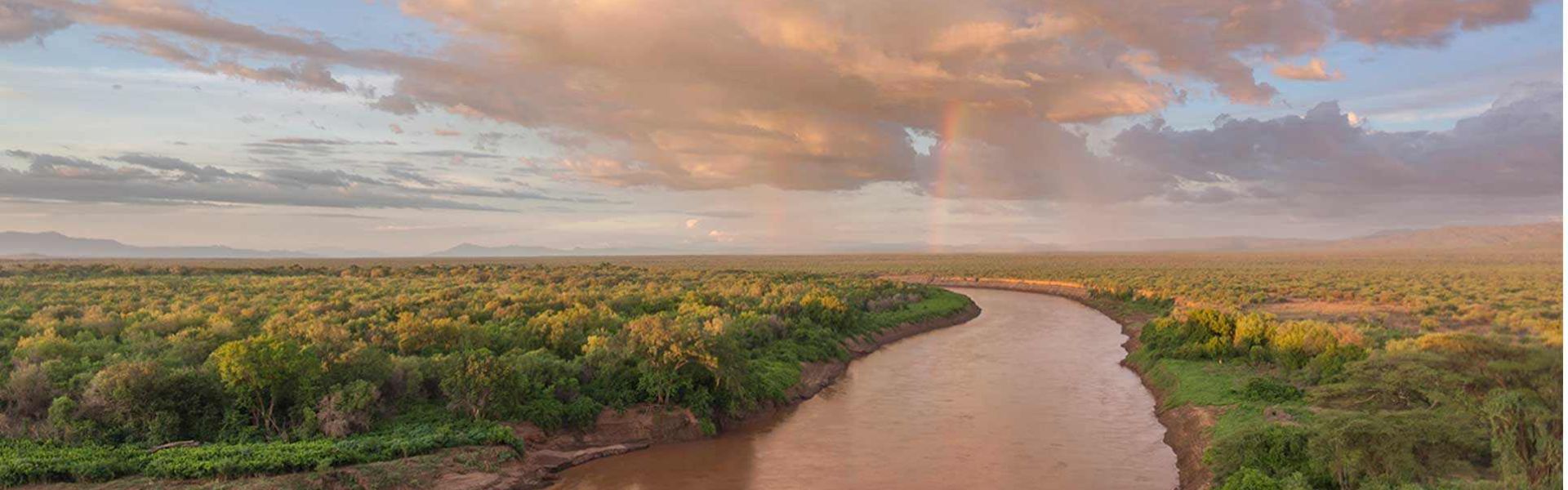
The park lies along the Baro and Akobo rivers, whose floodplains and wetlands sustain lush vegetation and diverse wildlife. Plant species include acacias, reeds, and grasses, though invasive plants such as water hyacinth (Eichhornia crassipes) have been reported.
The landscape is a mix of riverine forests, savannah grasslands, and wetlands, making Gambella one of Ethiopia’s most biologically productive regions.
Flora & Fauna
Mammals
Gambella hosts 69 mammal species, making it one of Ethiopia’s richest wildlife reserves. Large populations of African elephants, buffalo, giraffes, hippopotamuses, lions, leopards, cheetahs, and hyenas roam the park. Primates such as mantled guerezas, olive baboons, and patas monkeys are also common.
The park is especially famous for its antelope herds, including Nile lechwe, tiang, Bohor reedbuck, Lelwel hartebeest, roan antelope, and the white-eared kob. The white-eared kob migration is Africa’s largest terrestrial mammal migration, with thousands of antelope moving seasonally between South Sudan’s Bandingilo and Boma National Parks and Gambella, forming part of the Great Nile Migration Landscape.
Birds
Over 327 bird species have been recorded, including African skimmers, crowned cranes, pelicans, bee-eaters, storks, warblers, and vultures. Raptors such as the red-necked buzzard and exclamatory paradise whydah highlight the park’s avian diversity. Seasonal migrants add to the richness, making Gambella a paradise for birdwatchers.
Conservation Significance
In 2005, the IUCN designated Gambella as a lion conservation unit, recognizing its importance for big cat survival. Surveys in 2015 estimated 100-120 Nubian giraffes, underscoring the park’s role in protecting rare subspecies. Despite challenges, Gambella remains one of Ethiopia’s most critical conservation areas, with global significance due to its role in Africa’s largest mammal migration.
Activities
Visitors to Gambella National Park can enjoy:
Wildlife Watching: Witness elephants, giraffes, lions, and massive antelope herds.
Birdwatching: Spot endemic and migratory species along rivers and wetlands.
Migration Viewing: Experience the spectacle of the white-eared kob migration.
River Exploration: Discover the Baro and Akobo rivers by boat or guided walks.
Photography: Capture dramatic landscapes and wildlife in one of Africa’s last great wildernesses.
Visitor Tips
Travel with a guide or ranger, as the park is remote and infrastructure is limited.
Visit during the dry season (December-March) for easier access, though the wet season offers lush scenery and dramatic migrations.
Bring supplies and water, since facilities are basic.
Respect conservation rules-wildlife here is fragile and globally significant.
Combine your trip with explorations of South Sudan’s migration corridors for a broader East African safari experience.