

Ultimate Guide to Omo Safari
Find Omo Safari Tours from Verified Ethiopia Operators
The Ultimate Guide to Omo Safari
Omo SafariOmo National Park, founded in 1980, is one of Ethiopia’s largest and most remote protected areas. Covering about 4,068 km², it lies on the west bank of the Omo River in the South Ethiopia Regional State, opposite Mago National Park and the Tama Wildlife Reserve. The park is often described as “Ethiopia’s most remote park”, with limited infrastructure and challenging access, despite the construction of a small airstrip near the headquarters on the Mui River.
Its isolation has preserved vast wilderness landscapes, making Omo a sanctuary for wildlife, cultural heritage, and even prehistoric discoveries.
Geography
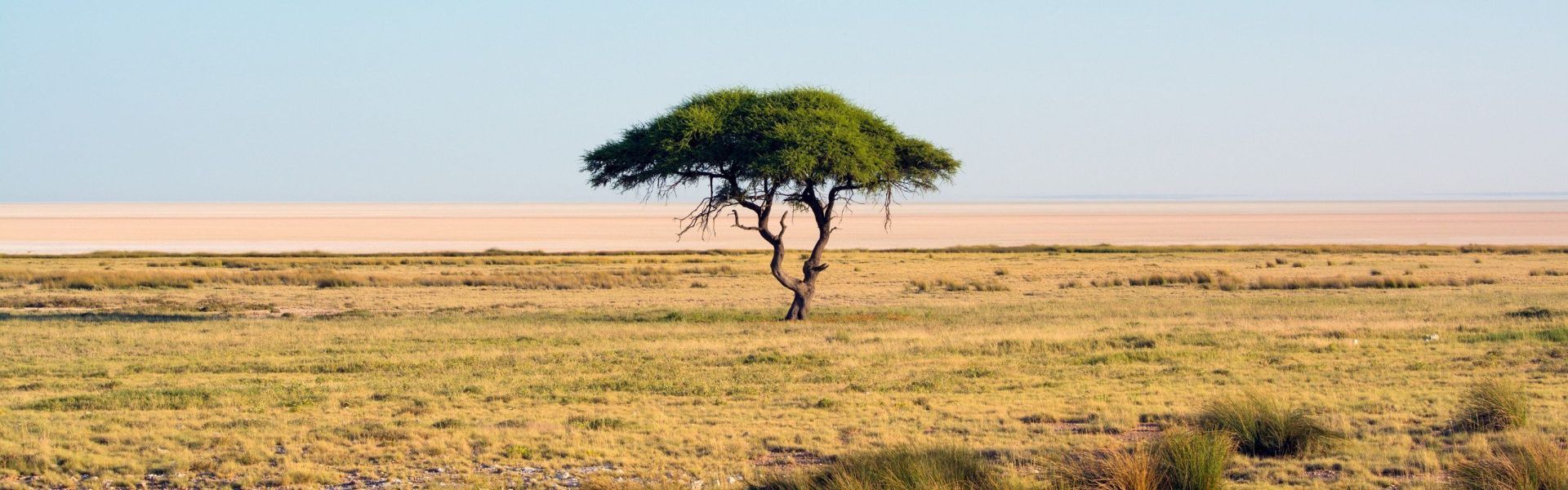
Stretching 140 km from the Neruze River in the south to the Sharum plain in the north, and up to 60 km wide, Omo National Park encompasses diverse terrain. The Omo River forms its eastern boundary, while the Maji Mountains, Sharum and Sai plains, and Illibai plains define its northern and southern reaches.
Elevations range from 450 m near the Neruze River to 1,541 m at the peak of the Maji Mountains, creating varied habitats of savannah, thickets, and riverine woodlands. The park is dotted with hot springs and crossed by rivers such as the Mui, which eventually drain into the Omo.
Ecology
Flora
Vegetation is dominated by open savannahs, acacia thickets, and riverine forests along the Omo’s western banks. Species include Ficus sycomorus, Tapura fischeri, Celtis integrifolia, Cordia sinensis, Acacia mellifera, and Ziziphus mauritiana, providing food and shelter for wildlife.
Fauna
Omo National Park protects 73 mammal species and 312 bird species, making it one of Ethiopia’s richest reserves. Large herds of buffalo, zebras, elands, oryxes, hartebeests, and gazelles roam the plains. Rare sightings include elephants, lions, leopards, cheetahs, giraffes, wild dogs, and black rhinoceroses.
Primates such as mantled guerezas, olive baboons, and De Brazza monkeys inhabit forested areas. Birdlife is diverse, with ostriches, eagles, kingfishers, parrots, shrikes, and weavers thriving across habitats. Reptiles include Nile crocodiles, puff adders, black mambas, spitting cobras, and rock pythons, highlighting the park’s ecological variety.
Geology & Prehistory
The lower Omo Valley is a site of global importance. In 1980, UNESCO declared it a World Heritage Site after discoveries in the Omo Kibish Formation revealed fossil fragments of Homo sapiens dating back about 195,000 years-the earliest known evidence of modern humans. This makes Omo not only a wildlife sanctuary but also a cradle of human history.
Conservation & Challenges
Despite its ecological and historical significance, Omo faces serious challenges. Infrastructure is minimal, and tourism remains underdeveloped. In 2006, funding was allocated for roads and recreational facilities, but progress has been slow.
Management has been complicated by conflicts with local communities. The Mursi, Suri, Nyangatom, Dizi, and Me’en peoples have faced displacement and restricted access to traditional grazing and farming lands. Reports of coercion and forced agreements have fueled tensions. In 2008, African Parks withdrew from managing Omo, citing difficulties in balancing conservation with indigenous livelihoods.
This highlights the ongoing struggle to protect biodiversity while respecting cultural rights.
Activities
Visitors to Omo National Park can enjoy:
Wildlife Watching: Spot buffalo, antelope herds, and elusive predators.
Birdwatching: Observe diverse species across savannahs and riverine forests.
Cultural Encounters: Meet Omo Valley communities such as the Mursi and Suri.
Exploring Hot Springs & Rivers: Discover geothermal sites and riverine landscapes.
Photography: Capture wildlife, dramatic plains, and archaeological heritage.
Visitor Tips
Access is difficult use a four-wheel drive vehicle or charter flights to the Mui airstrip.
Facilities are minimal bring supplies, water, and camping gear.
Travel with a guide or ranger, as the park is remote and wildlife encounters can be unpredictable.
Respect local communitie cultural visits should be approached with sensitivity.