

Ultimate Guide to Alitash Safari
Find Alitash Safari Tours from Verified Ethiopia Operators
The Ultimate Guide to Alitash Safari
Alitash SafariAlitash National Park, also spelled Alatish-is a protected area in the North Gondar Zone of Ethiopia’s Amhara Region. Established in 2006, the park lies directly adjacent to Sudan’s Dinder National Park, forming part of a larger transboundary conservation landscape. Its name comes from the Alatish River, which originates within the park and flows westward into Sudan, symbolizing the ecological link between the two countries.
Geography
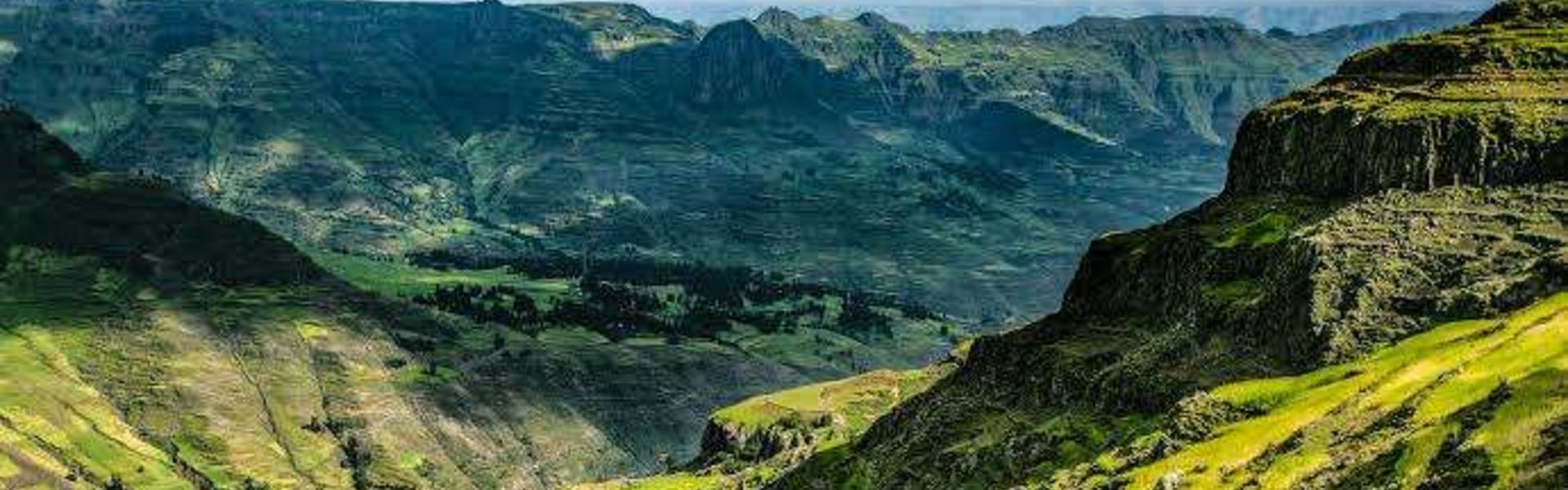
Located about 1,080 kilometers northwest of Addis Ababa, Alitash National Park covers an impressive 266,570 hectares of lowland woodlands. The terrain is generally flat, with elevations ranging from 520 to 920 meters above sea level, but it also features scattered hills, river valleys, and seasonal waterways.
Key geographical highlights include:
Twin Mountains of Amadog: A striking landmark in the southwestern corner of the park.
Seasonal Rivers and Wetlands: These sustain wildlife during the dry months.
Open Grasslands and Deciduous Woodlands: Dominated by acacia and other native trees, creating diverse habitats for birds and mammals.
The park’s varied landscapes make it a vital refuge for species adapted to both woodland and savanna ecosystems.
Landscape & Ecology
Alitash National Park is characterized by seasonal wetlands, wooded grasslands, riverine ecosystems, and dry deciduous forests. These habitats support a wide range of flora and fauna, while also serving as migration corridors for species moving between Ethiopia and Sudan.
The woodlands are particularly important for birdlife, offering nesting sites and food sources for hundreds of species. Seasonal flooding enriches the soil, allowing grasses and shrubs to flourish, which in turn sustains herbivores and predators alike.
Wildlife
Mammals
The park is home to at least 37 mammal species, including:
African elephants roaming the woodlands.
Leopards and other predators.
Greater and lesser kudus, iconic antelopes of East Africa.
Smaller mammals such as warthogs, jackals, and primates.
A major discovery in 2016 revealed a population of about 200 lions, believed to be of Central African origin. This finding highlighted the park’s importance as a stronghold for big cats in the Horn of Africa.
Reptiles
Seven reptile species thrive here, including:
Egyptian cobra
Black mamba
Nile monitor lizard
Rock python
These reptiles add to the park’s ecological diversity and play key roles in balancing prey populations.
Birds
Alitash is a paradise for birdwatchers, with 204 recorded species. Common sightings include:
Parrots, eagles, vultures, buzzards, and ibises.
Water-associated species such as plovers, herons, egrets, and cormorants.
The seasonal woodlands and wetlands provide ideal breeding and feeding grounds, making the park a critical bird conservation area.
Conservation Significance
Alitash National Park is not only a biodiversity hotspot but also a transboundary conservation zone. Its connection to Sudan’s Dinder National Park allows wildlife populations-especially elephants, lions, and migratory bird-to move freely across borders.
The discovery of lions in 2016 emphasized the park’s global importance, as it may represent one of the last strongholds of Central African lion genetics. Protecting this population is vital for regional and international conservation efforts.
Activities
Visitors to Alitash can enjoy:
Wildlife Viewing: Spot elephants, kudus, and possibly lions.
Birdwatching: Seasonal wetlands attract hundreds of species.
Photography: Capture the dramatic landscapes and Twin Mountains of Amadog.
Exploration: Trekking through woodlands and river valleys.
Best Time to Visit
Dry Season (November-April): Easier access, clearer wildlife sightings, and comfortable trekking conditions.
Wet Season (May-October): Lush vegetation and abundant birdlife, though roads may be challenging.
Visitor Tips
Travel with a four-wheel drive vehicle, as roads can be rough.
Bring supplies and water, since facilities are limited.
Respect conservation rules-wildlife here is sensitive and globally significant.