

Ultimate Guide to Arsi Mountains Safari
Find Arsi Mountains Safari Tours from Verified Ethiopia Operators
The Ultimate Guide to Arsi Mountains Safari
Arsi Mountains SafariArsi Mountains National Park is a vast protected area located in the Arsi Zone of Ethiopia’s Oromia Region. Established in 2011, the park safeguards a significant portion of the Ethiopian Highlands, covering an impressive 10,876 km². It is renowned for its dramatic mountain ranges, volcanic landscapes, and diverse ecosystems that range from montane forests to alpine grasslands. The park plays a crucial role in conserving Ethiopia’s unique highland biodiversity, including several endemic and endangered species.
Geography
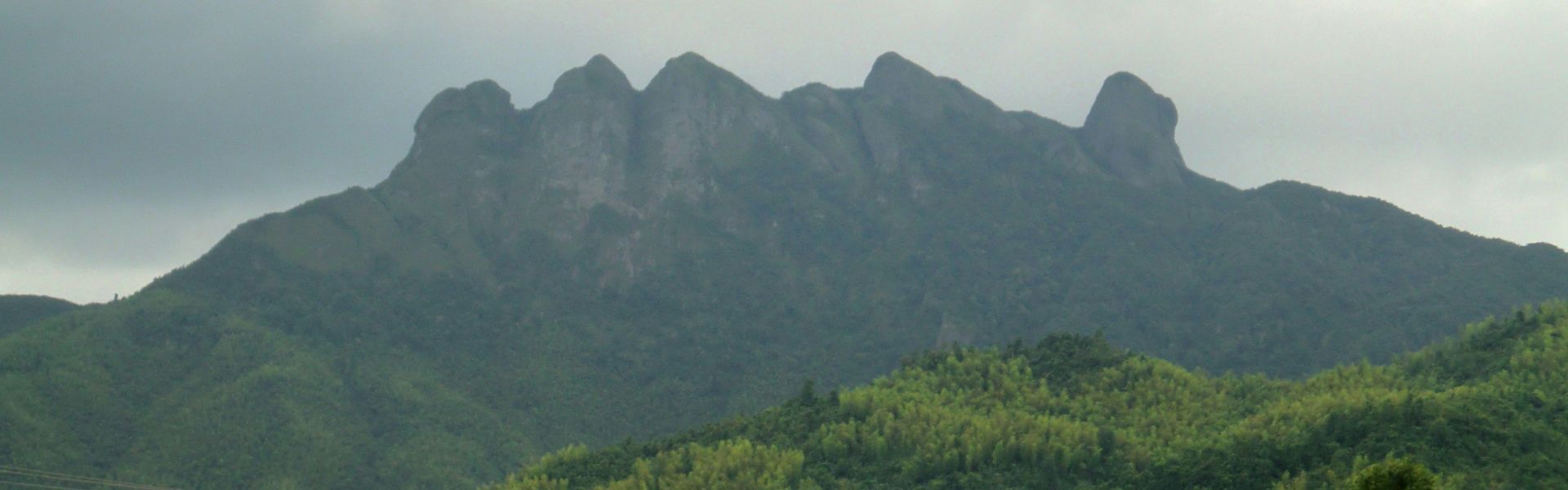
The park encompasses the Arsi Mountains, which form part of the southern wall of the Great African Rift Valley. Stretching northeast to southwest, the mountains dominate the landscape with rugged peaks and volcanic formations.
Key features include:
Mount Chilalo: The highest peak at 4,036 meters, crowned by a volcanic caldera.
Dhara Dilfekar Block: A prominent massif within the park.
Galama Ridges, Mount Kaka, and Hunkolo: Other notable ranges that add to the park’s dramatic scenery.
The mountains act as vital watersheds:
Northern slopes drain into the Awash River.
Southern slopes feed the headwaters of the Shebelle River.
Numerous alpine lakes, including Lake Ziway, are sustained by mountain rainfall. To the southeast lies Bale Mountains National Park, separated from Arsi by the upper valley of the Shebelle River.
Landscape & Ecology
The park’s vegetation is stratified by elevation, creating three distinct ecological zones:
Dry Evergreen Afromontane Forests (2,843-3,756 m)
Dominated by native acacias and evergreens.
Interspersed with plantations of both native and exotic species.
Subalpine Heathlands (3,202-3,985 m)
Shrublands dominated by Erica arborea and Erica trimera.
Provide critical habitat for highland wildlife.
Afro-Alpine Zone (3,576-4,008 m)
Characterized by grasses, herbs, and shrubs.
Home to giant lobelia (Lobelia rhynchopetalum), an iconic plant endemic to Ethiopia’s highlands.
Species of Helichrysum and Alchemilla add to the alpine flora.
Wildlife
Mammals
The park shelters 30 mammal species, many of which are endemic to Ethiopia’s highlands:
Mountain nyala (Tragelaphus buxtoni) - endangered and iconic.
Menelik’s bushbuck (Tragelaphus scriptus menelik) -a rare subspecies.
Ethiopian wolf (Canis simensis) -one of the world’s rarest canids.
Other mammals include:
Spotted hyenas, leopards, servals, caracals, jackals, mongooses, civets, and baboons.
Herbivores such as greater and lesser kudus, reedbucks, duikers, warthogs, and klipspringers.
Highland rodents like Ethiopian striped mouse, Nikolaus’s mouse, Blick’s grass rat, and black-clawed brush-furred rat.
Birds
The park hosts 99 bird species across 39 families, including:
Helmeted guineafowl, laughing dove, little bee-eater, black wood hoopoe, eastern grey woodpecker, shining sunbird, and long-crested eagle.
Endemic and migratory species thrive in the diverse habitats, making the park a birdwatcher’s paradise.
Activities
Visitors to Arsi Mountains National Park can enjoy:
Wildlife Watching: Spotting endemic species like mountain nyala and Ethiopian wolf.
Birdwatching: Observing diverse highland and migratory birds.
Trekking & Hiking: Exploring volcanic peaks, alpine lakes, and scenic ridges.
Photography: Capturing dramatic landscapes and rare wildlife.
Conservation & Threats
Despite its ecological importance, the park faces several challenges:
Livestock Grazing: Overgrazing by local herders threatens vegetation and wildlife.
Human-Caused Fires: Seasonal burning damages fragile ecosystems.
Wood Collection: Unsustainable harvesting of trees reduces forest cover.
Conservation efforts aim to balance community needs with biodiversity protection, ensuring the park remains a refuge for Ethiopia’s unique highland species.