
Ultimate Guide to ǀAi-ǀAis Hot Springs Safari
Find ǀAi-ǀAis Hot Springs Safari Tours from Verified Namibia Operators
The Ultimate Guide to ǀAi-ǀAis Hot Springs Safari
Magnificent Namibia National Parks
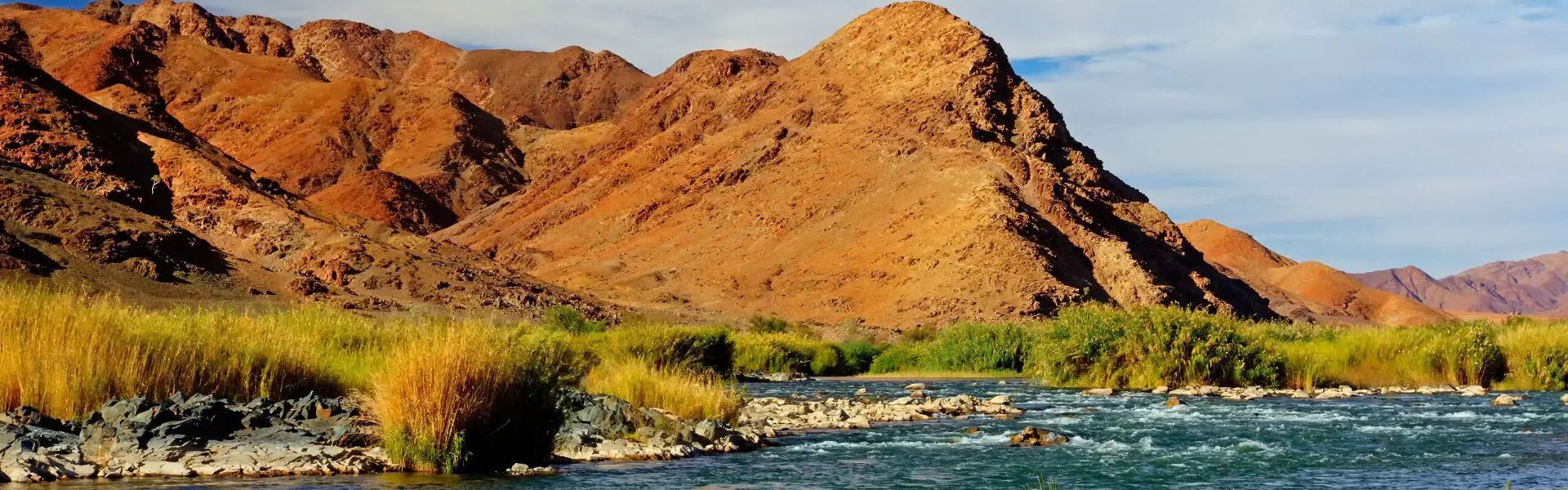
The ǀAi-ǀAis/Richtersveld Transfrontier Park is a cross‑border peace park uniting Namibia and South Africa. Established in 2003, it combines Namibia’s ǀAi-ǀAis Hot Springs Game Park with South Africa’s Richtersveld National Park. Covering rugged valleys, mountains, and desert landscapes, the park is also home to the Fish River Canyon—the largest canyon in Africa. Its name, ǀAi-ǀAis, comes from the Khoekhoe language meaning “hot as fire,” referencing the famous hot springs.
History
The park was officially formed on 17 August 2003 when the presidents of Namibia and South Africa signed a memorandum of understanding. This agreement formalized the merging of the two protected areas into one transfrontier conservation zone. In 2007, tourist facilities at Sendelingsdrift were opened, allowing visitors to cross between the two countries within the park boundaries. Immigration offices were established on both sides of the Orange River, strengthening its role as a shared conservation and tourism hub.
Ecology
The park is recognized as a biodiversity hotspot despite its arid climate. It features two distinct climatic systems: a temperate winter rainfall zone with high humidity and a summer rainfall zone with high temperatures but low humidity. These contrasting climates create a transitional zone of about 20 kilometres. Vegetation is remarkably diverse, with more than 360 plant species recorded in a single square kilometre despite average rainfall of only 68 mm per year.
Wildlife
Although the park is best known for its plant diversity, it also supports desert‑adapted wildlife. Species such as reptiles, small mammals, and birds thrive in the harsh environment. The unique vegetation includes the giant quiver tree, tall aloes, and the culturally significant “half‑mens” plant, which resembles a human figure and is revered by the Nama people as a symbol of ancestral longing.
Surrounding Areas
Most of the South African section of the park forms part of the buffer zone of the Richtersveld Cultural and Botanical Landscape World Heritage Site, which spans 5,920 square kilometres. The Fish River Canyon in Namibia is a major attraction, drawing visitors for its dramatic geological formations. The Orange River serves as both a natural boundary and a lifeline for communities and ecosystems in the region.
Activities
Hiking: Explore rugged valleys, mountains, and desert trails, including routes around the Fish River Canyon.
Hot Springs: Relax at the ǀAi-ǀAis hot springs, famous for their therapeutic waters.
Cultural Encounters: Meet the Nama people, learn about their pastoral traditions, and hear the preserved Nama language.
Plant Exploration: Discover unique vegetation such as quiver trees and the half‑mens plant, which hold cultural and ecological significance.
Photography: Capture dramatic desert landscapes, fog rolling in from the Atlantic, and rare plant species.
Cross‑Border Travel: Use the Sendelingsdrift facilities to experience both Namibian and South African sides of the park.
Best Time to Visit
Winter Season (May–September): Cooler temperatures and fog from the Atlantic create striking landscapes, ideal for hiking.
Summer Season (October–April): Hot and dry inland conditions, but unique desert flora and occasional rains bring life to the region.
Transitional Months: Offer balanced conditions with fewer tourists and excellent opportunities for photography.
Visitor Tips
Access: Entry points include Sendelingsdrift, with immigration facilities for cross‑border travel.
Vehicles: A 4x4 is recommended for navigating rugged terrain.
Supplies: Carry sufficient food, water, and fuel, as facilities are limited in remote areas.
Clothing: Light wear for hot days, sturdy boots for hiking, and warm layers for cool nights.
Safety: Respect park rules, avoid damaging fragile vegetation, and travel with guides for canyon hikes.
Community Support: Engage with Nama communities, supporting cultural preservation and sustainable tourism.