
Ultimate Guide to Mangetti Safari
Find Mangetti Safari Tours from Verified Namibia Operators
The Ultimate Guide to Mangetti Safari
Magnificent Namibia National Parks
Mangetti National Park is one of Namibia’s smaller but significant conservation areas, covering 420 square kilometres. Established in 2008, it lies in the eastern Kalahari woodlands about 100 kilometres southwest of Rundu. Despite its modest size, the park plays an important role in regional conservation and tourism development, with a focus on reducing poverty through community‑based initiatives.
History
The land was originally used for breeding rare and endangered animals, giving it a foundation in wildlife conservation before its official designation as a national park. In 2008, the Namibian government formally proclaimed Mangetti as a protected area, aiming to expand tourism opportunities in northern Namibia and create sustainable income streams for local communities.
Geography
Mangetti sits within the Kavango East Region, characterized by sandy soils and woodland savannas. The eastern Kalahari woodlands dominate the landscape, with scattered acacia and mopane trees providing shade and forage for wildlife. Its location makes it accessible from Rundu, yet it retains a sense of remoteness compared to Namibia’s larger parks.
Ecology
The park’s vegetation is typical of the Kalahari woodlands, with species such as acacia, mopane, and Terminalia trees. These woodlands support a variety of herbivores and predators, while seasonal rainfall shapes the availability of grazing and water sources.
Wildlife
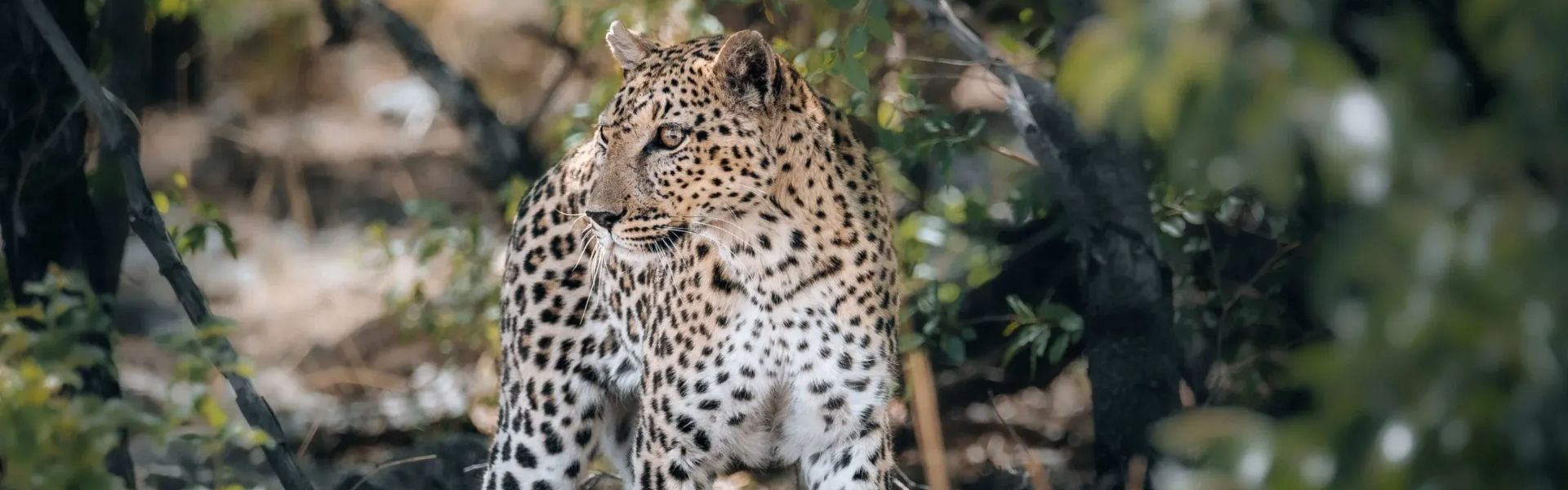
Mangetti hosts populations of antelope, giraffes, and predators such as hyenas and lions. Smaller mammals and diverse bird species also thrive in the woodland habitats. The park’s conservation efforts aim to rebuild populations of rare species and maintain ecological balance.
Tourism
Mangetti is managed with the goal of boosting tourism in northern Namibia. Its proximity to Rundu makes it accessible for visitors seeking a less crowded alternative to larger parks like Etosha. Community‑operated initiatives are central to its tourism model, ensuring that local residents benefit directly from conservation and visitor activities.
Best Time to Visit
Dry Season (May–October): Best for wildlife viewing as animals gather near water sources.
Wet Season (November–March): Lush vegetation and active birdlife, though accessibility may be more challenging.
Visitor Tips
Access: Located southwest of Rundu, reachable by road.
Accommodation: Limited facilities; visitors should plan ahead or stay in nearby towns.
Supplies: Carry essentials, as services within the park are minimal.
Clothing: Light wear for hot days, sturdy shoes for woodland walks, and rain gear in wet months.
Community Support: Engage with local initiatives to support conservation and poverty reduction efforts.