
Ultimate Guide to Hardap Resort, Safari
Find Hardap Resort, Safari Tours from Verified Namibia Operators
The Ultimate Guide to Hardap Resort, Safari
Magnificent Namibia Game Reserves
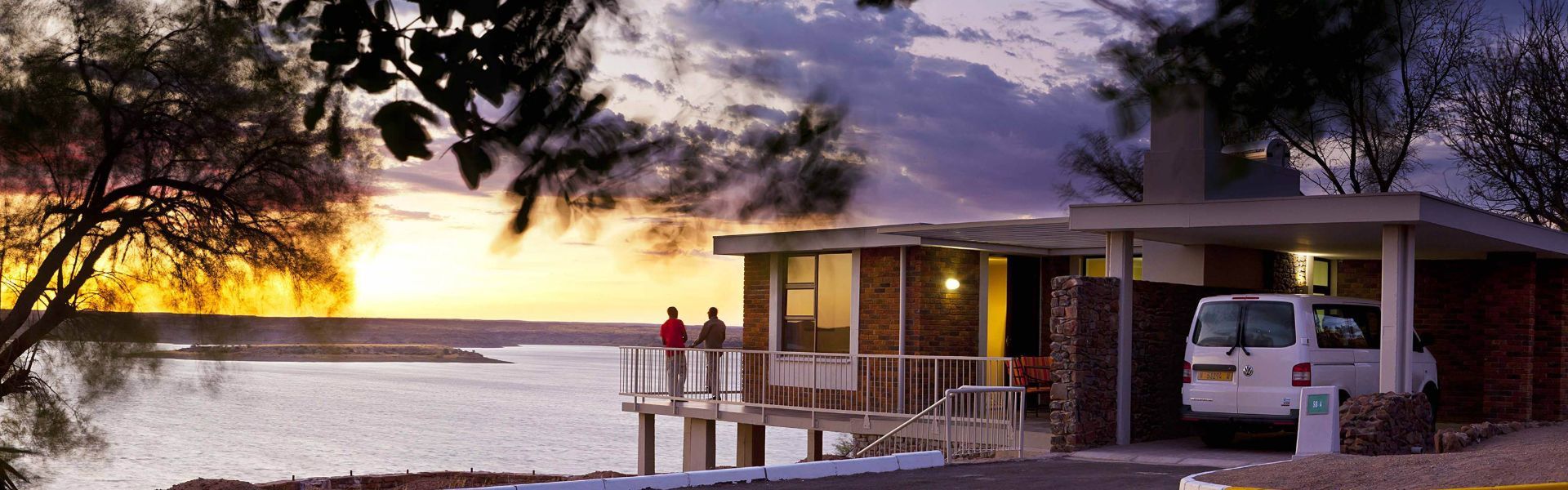
Hardap Recreation Resort, also known as Hardap Nature Reserve, is a national park in southern Namibia centred around the Hardap Dam—the country’s largest dam. Proclaimed in 1968, though its rest camp opened earlier in 1964, the park covers 252 square kilometres and lies about 250 km south of Windhoek and 24 km west of Mariental. Its combination of savannah plains, rugged plateaus, and aquatic habitats makes it a unique destination for both recreation and conservation.
History
The name “Hardap” comes from the Nama word meaning “nipple” or “wart,” referencing the conical hills in the surrounding landscape. Plans for a dam at Hardap date back to 1897, but construction only began in 1960, with completion in 1963. The dam has a capacity of 320 million cubic metres and covers a surface area of 25 km². The park was proclaimed in 1968, with the dam and surrounding areas forming the core of the reserve. Over the years, Hardap has become both a conservation hub and a recreational retreat, with upgraded facilities reopening in 2015 after a major renovation.
Ecology
Hardap lies within the Nama Karoo biome, characterized by dwarf shrubland and semi-arid savannah. The landscape includes open plains, the Gemsbok Plateau, and river systems fed by the Fish and Groot Komatsas rivers. Vegetation includes shepherd’s trees, camel thorn, green-hair thorn, karee, and buffalo thorn. Invasive plants such as Datura inoxa, Nicotiana glauca, and Prosopis glandulosa pose ecological challenges, while woody encroachment reduces biodiversity in some areas.
Wildlife
Hardap supports a variety of mammals, including kudu, oryx, springbok, steenbok, Hartmann’s mountain zebra, red hartebeest, and ostriches. A small population of black rhinos adds conservation importance. Birdlife is prolific, with nearly 300 species recorded, including yellow-billed storks, ospreys, African fish eagles, goliath herons, Bradfield’s swifts, and Stark’s larks. The dam hosts one of Namibia’s three largest breeding colonies of great white pelicans, making it a key avian site.
Surrounding Areas
Hardap lies close to Mariental, a town that serves as the gateway to the reserve. Its location along the Fish River connects it to broader ecosystems in southern Namibia. The park is part of the Hardap Region, which is known for its agricultural activities and semi-arid landscapes.
Activities
Angling: Hardap is famous for fishing, with annual angling competitions held at the dam. Permits are required and issued by the Hardap Regional Council.
Water Sports: Canoeing and boating are permitted on the dam, offering recreational opportunities in Namibia’s largest reservoir.
Game Drives: Explore the game park on the southern side of the dam, spotting antelope, zebras, and birdlife.
Hiking: Two trails are available for day hikers, providing scenic views of the plateau and dam.
Birdwatching: The pelican colony and diverse bird species make Hardap a prime destination for ornithologists and enthusiasts.
Photography: Capture landscapes of savannah plains, dramatic plateaus, and wildlife around the dam.
Relaxation: The resort offers a swimming pool, restaurant, and upgraded accommodation for overnight stays.
Best Time to Visit
Dry Season (May–October): Best for game viewing and angling, with cooler temperatures and clear skies.
Wet Season (November–March): The dam and rivers are fuller, vegetation is lush, and bird activity peaks, though access may be more challenging.
Transitional Months (April, early November): Balanced conditions with fewer visitors, ideal for hiking and photography.
Visitor Tips
Access: Located west of Mariental, easily reachable by road from Windhoek.
Vehicles: Standard vehicles can access most areas, though 4x4s are useful for exploring rugged tracks.
Supplies: Food and essentials are available at the resort, but day visitors should plan ahead.
Clothing: Light wear for hot days, warm layers for evenings, and sturdy shoes for hiking.
Safety: Respect wildlife, obtain permits for angling, and follow park rules.
Community Support: Staying at Namibia Wildlife Resorts facilities helps sustain conservation and tourism in the region.