
Ultimate Guide to Waterberg Plateau Safari
Find Waterberg Plateau Safari Tours from Verified Namibia Operators
The Ultimate Guide to Waterberg Plateau Safari
Magnificent Namibia National Parks
Waterberg Plateau Park is a striking national park in central Namibia, located about 68 kilometres southeast of Otjiwarongo. Established as a nature reserve in 1972, it covers 405 square kilometres around the prominent Waterberg table mountain, which rises dramatically above the surrounding Kalahari plains. Declared a National Monument in 1956, the plateau is both a geological wonder and a conservation stronghold, serving as a refuge for endangered species and a source of rare animals for other Namibian parks.
History
The plateau was first recognized for its cultural and natural significance when it was declared a National Monument in 1956. In 1972, the area was proclaimed a nature reserve, and conservation programs began relocating endangered species to the plateau, which is naturally protected by its steep cliffs. This initiative proved highly successful, and Waterberg became a breeding ground for rare animals that were later supplied to other parks. In 1989, black rhinoceroses were reintroduced from Damaraland, marking a major milestone in Namibia’s conservation efforts. The park also holds deep historical significance as the site of the 1904 Battle of Waterberg, where the Herero people suffered devastating losses against German colonial forces during the Herero and Namaqua Wars.
Ecology
The Waterberg Plateau is part of the Kalahari Sandveld and is ecologically diverse. Over 200 bird species thrive here, alongside rare antelope in the lower hills. Geologically, the plateau is ancient, with rock strata dating back over 850 million years and dinosaur tracks preserved from 200 million years ago. The surrounding savannah rangeland faces challenges from woody plant encroachment, which reduces biodiversity. The plateau’s elevation creates unique microhabitats, supporting a rich variety of flora and fauna.
Wildlife
Waterberg Plateau Park is home to a wide range of species:
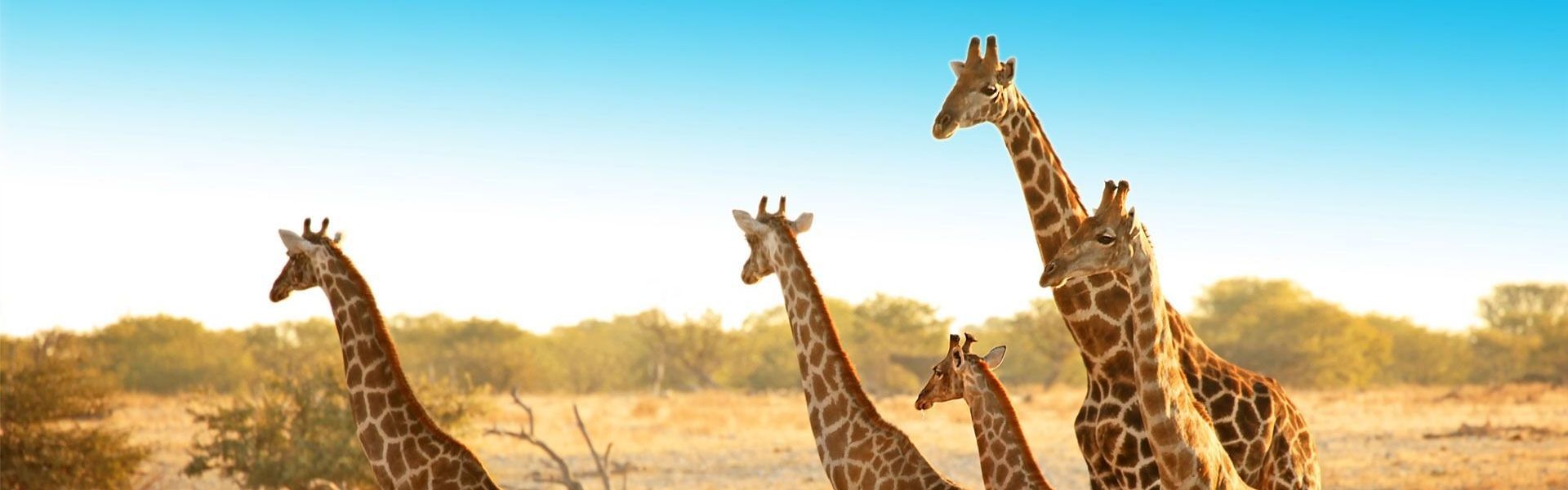
Herbivores: Rare antelope species, giraffes, and relocated populations of endangered animals.
Predators: Leopards and other carnivores adapted to the plateau’s rugged terrain.
Birdlife: Over 200 species, including raptors and smaller endemic birds.
Conservation Focus: Black rhinoceroses, reintroduced in 1989, and other endangered species protected from poaching and predation.
Surrounding Areas
The park lies near Otjiwarongo, a key town in central Namibia, and is accessible from Windhoek. The Bernabe De La Bat rest camp at the base of the plateau serves as a hub for visitors. Historical sites, including graves of German soldiers from the 1904 battle, add cultural depth to the natural landscape.
Activities
Game Viewing: Explore the plateau’s wildlife, including rare antelope and reintroduced rhinos.
Birdwatching: Spot diverse bird species across the plateau and savannah.
Hiking: Trails lead to viewpoints and geological features, offering panoramic views of the Kalahari plains.
Cultural Visits: Learn about the Herero people’s history and view memorial sites from the 1904 battle.
Photography: Capture dramatic landscapes, ancient rock formations, and wildlife in unique habitats.
Best Time to Visit
Dry Season (May–October): Best for wildlife viewing as animals congregate near water sources, with cooler temperatures for hiking.
Wet Season (November–March): Lush vegetation and active birdlife, though access may be more challenging.
Transitional Months (April, early November): Balanced conditions with fewer tourists and excellent opportunities for photography.
Visitor Tips
Vehicles: Standard vehicles can access the park, but 4x4s are recommended for rugged trails.
Supplies: Carry essentials, as facilities are limited outside the rest camp.
Clothing: Light wear for hot days, warm layers for cool nights, and sturdy shoes for hiking.
Safety: Respect wildlife, stay on designated trails, and be mindful of historical sites.
Community Support: Engage with local guides and initiatives to support conservation and cultural preservation.