

Ultimate Guide to Daan Viljoen Safari
Find Daan Viljoen Safari Tours from Verified Namibia Operators
The Ultimate Guide to Daan Viljoen Safari
Magnificent Namibia Game Reserves
Daan Viljoen Game Reserve is a small but significant protected area located in the Khomas Hochland hills near Windhoek, Namibia. Covering 40 square kilometres, it offers visitors a glimpse of Namibia’s diverse wildlife and landscapes within easy reach of the capital. The reserve is named after Daniel Thomas du Plessis Viljoen, the South African administrator of South West Africa from 1953 to 1963, under whose administration the rest camp was opened in 1962.
History
The reserve was established in the early 1960s as a recreational and conservation area, with the rest camp inaugurated in 1962. It was named in honour of Administrator Viljoen, who played a role in its development. Over time, Daan Viljoen became a popular destination for both locals and tourists, offering a safe environment to experience Namibia’s wildlife without the vast distances required to reach larger parks.
Ecology
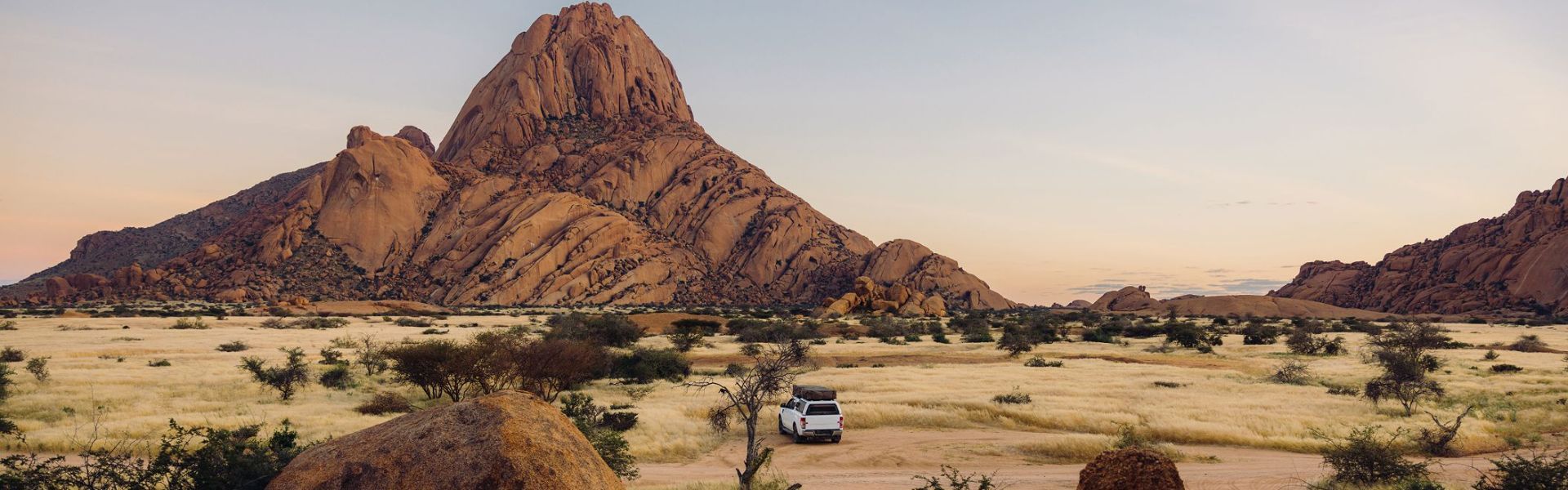
Situated in the Khomas Hochland, the reserve is characterized by hilly terrain, savannah vegetation, and seasonal rivers. The landscape supports a variety of grasses, shrubs, and acacia trees, providing habitats for numerous animal species. The ecological diversity makes it a microcosm of Namibia’s broader wildlife and plant life, ideal for educational and recreational purposes.
Wildlife
Daan Viljoen is home to a wide range of species typical of Namibia’s savannah ecosystems. Visitors may encounter kudu, gemsbok, springbok, and other antelope species, as well as smaller mammals like warthogs and baboons. Birdlife is abundant, with over 200 species recorded, making the reserve a hotspot for birdwatchers. The absence of large predators allows tourists to explore the reserve safely on foot.
Surrounding Areas
The reserve lies just outside Windhoek, making it one of the most accessible wildlife areas in Namibia. Its proximity to the capital allows for day trips and short stays, while also serving as a gateway for visitors heading to larger national parks such as Etosha or Namib-Naukluft.
Activities
Walking Trails: The reserve is known for its hiking paths, allowing visitors to explore the hills and valleys on foot while observing wildlife up close.
Birdwatching: With over 200 species, bird enthusiasts can enjoy spotting both common and rare birds in diverse habitats.
Game Viewing: Self-guided drives provide opportunities to see antelope, warthogs, and other savannah species.
Photography: The scenic landscapes and approachable wildlife make the reserve ideal for photography.
Camping & Lodging: Facilities include a lodge with a swimming pool and restaurant, as well as a campsite operated by Sunkarros Lifestyle Safaris. These are available to overnight guests but not to day visitors.
Best Time to Visit
Dry Season (May–October): Wildlife is easier to spot as animals gather near water sources, and hiking conditions are comfortable.
Wet Season (November–March): The reserve becomes lush and green, with increased bird activity, though trails may be muddy.
Transitional Months (April, early November): Balanced conditions with fewer visitors, offering excellent opportunities for photography and walking.
Visitor Tips
Access: Easily reachable from Windhoek, making it suitable for day trips.
Vehicles: Standard cars can access the reserve, though 4x4s are useful for exploring rougher tracks.
Supplies: Day visitors should bring their own food and water, as lodge facilities are reserved for overnight guests.
Clothing: Comfortable walking shoes, light clothing for daytime, and warmer layers for evenings.
Safety: The reserve has no large predators, making it safe for walking, but visitors should still respect wildlife and stay on designated paths.
Community Support: Staying at the lodge or campsite helps support local tourism initiatives and conservation efforts.