
Ultimate Guide to Skeleton Coast Safari
Find Skeleton Coast Safari Tours from Verified Namibia Operators
The Ultimate Guide to Skeleton Coast Safari
Magnificent Namibia National Parks
Skeleton Coast National Park, proclaimed in 1971, is one of Namibia’s most dramatic and mysterious protected areas. Covering 16,845 square kilometres, it stretches along the northwest coast and is famous for its treacherous shores, scattered shipwrecks, and stark desert scenery. The park’s name reflects its reputation as one of the most inaccessible coastlines in the world.
Geography
The park is divided into two sections:
Southern Section: Accessible to visitors with 4x4 vehicles, extending north as far as the Ugab River Gate. A skull‑and‑crossbones sign warns travelers not to proceed further.
Northern Section: Off‑limits to vehicles and only reachable by fly‑in safaris, preserving its untouched wilderness.
The landscape features dunes, gravel plains, lagoons, and rocky outcrops, shaped by Atlantic fogs and strong winds.
Attractions
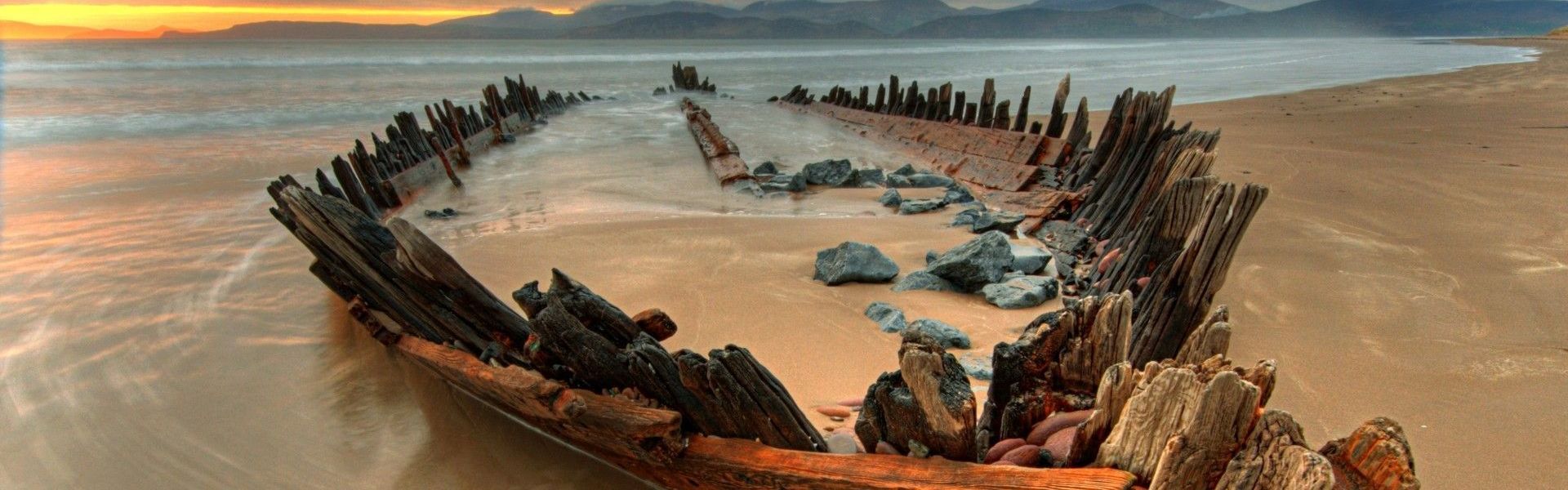
Shipwrecks: Rusting remains of vessels along the coast, including one at the South West Seal viewpoint.
Huab Lagoon: A scenic wetland area attracting birdlife.
Collapsed Oil Rig: A relic of failed industrial ventures, now a curiosity for visitors.
Gates: Springbok Gate (east) and Ugabmund Gate (south) serve as entry points.
Ecology & Wildlife
Despite its harsh environment, the Skeleton Coast supports unique life forms. Fog provides more moisture than rainfall, sustaining desert‑adapted plants and animals. Wildlife includes springbok, gemsbok, jackals, hyenas, and desert‑adapted elephants further inland. Seals thrive along the coast, while birdlife flourishes in lagoons and wetlands.
Tourism
Skeleton Coast is a destination for adventurous travelers seeking solitude and raw beauty.
Southern Section: Offers self‑drive exploration with 4x4 vehicles.
Northern Section: Accessible only via guided fly‑in safaris, ensuring minimal human impact.
Activities: Shipwreck viewing, lagoon birdwatching, photography, and scenic drives.
Best Time to Visit
May–October (Dry Season): Cooler temperatures and clearer skies, ideal for exploration.
November–April (Wet Season): Occasional rains and fog, adding atmosphere but limiting visibility.
Visitor Tips
Access: 4x4 vehicles are essential; northern areas require fly‑in tours.
Supplies: Carry food, water, and fuel—facilities are extremely limited.
Clothing: Warm layers for foggy mornings, light wear for daytime heat, and sun protection.
Safety: Respect park boundaries, avoid venturing beyond Ugab River Gate, and travel prepared for isolation.