
Ultimate Guide to Cape Cross Safari
Find Cape Cross Safari Tours from Verified Namibia Operators
The Ultimate Guide to Cape Cross Safari
Magnificent Namibia Game Reserves
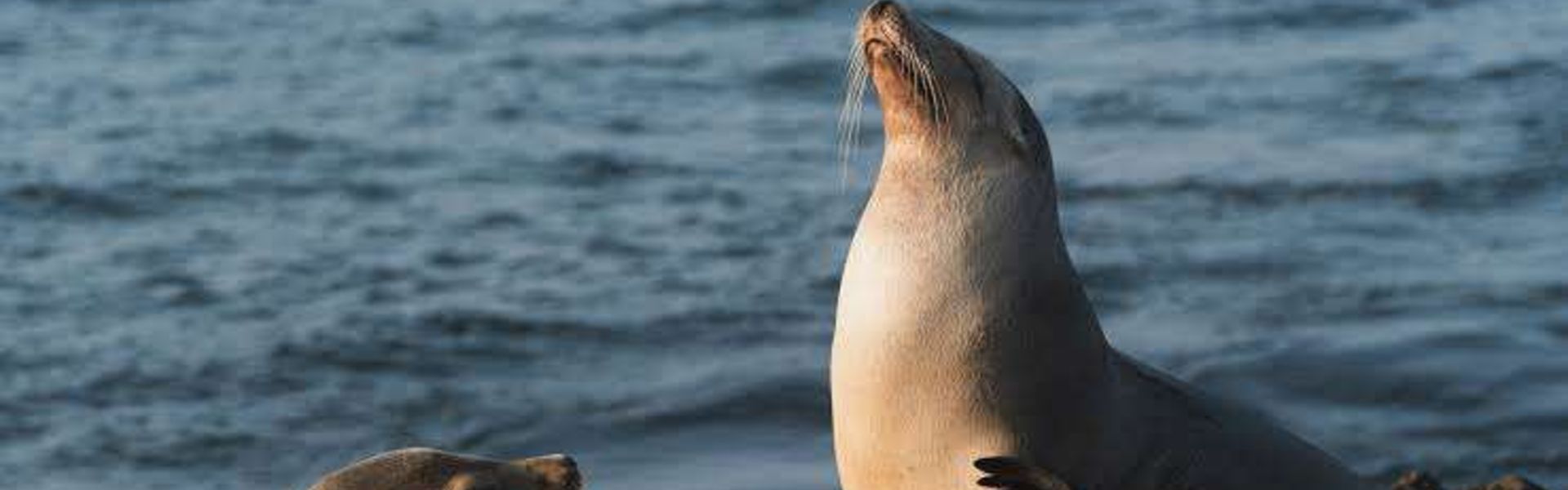
Cape Cross, known in Afrikaans as Kaap Kruis and in German as Kreuzkap, is a historic headland on Namibia’s Skeleton Coast. Famous both for its cultural heritage and its immense seal colony, the site lies on the South Atlantic coast northwest of Swakopmund. Today, it is protected as the Cape Cross Seal Reserve, home to one of the largest colonies of Cape fur seals in the world.
History
Cape Cross entered European history in January 1486 when Portuguese explorer Diogo Cão erected a stone padrão (cross) to mark Portugal’s claim during his voyage southward in search of a sea route to India. The original padrão was removed in 1893 by German naval forces and taken to Berlin, where it remains in the Deutsches Historisches Museum. Replicas were later erected at the site, including a modern version funded by private donations. The name “Cape Cross” derives from this historic monument.
Ecology
The Skeleton Coast is characterized by harsh desert conditions, strong Atlantic winds, and fog that provides more moisture than rainfall. The coastal ecosystem supports hardy vegetation, seabirds, and marine life. The seal reserve itself is a dynamic environment where thousands of Cape fur seals breed, rest, and feed, sustained by the nutrient-rich Benguela Current.
Wildlife
Cape Cross is best known for its massive Cape fur seal colony, numbering hundreds of thousands of individuals at peak times. The seals are joined by seabirds such as African oystercatchers, dune larks, and black-headed canaries. The surrounding Skeleton Coast also supports jackals and brown hyenas, which occasionally prey on seal pups.
Surrounding Areas
Cape Cross lies along the Skeleton Coast, north of Henties Bay and Swakopmund. It is part of Namibia’s broader coastal conservation network, which includes Dorob National Park and Skeleton Coast National Park. The site is both a natural attraction and a cultural landmark, linking Namibia’s colonial history with its modern conservation efforts.
Activities
Seal Colony Viewing: Witness one of the largest Cape fur seal colonies in the world, with opportunities to observe breeding, feeding, and social behaviour.
Photography: Capture dramatic coastal landscapes, historic crosses, and the bustling seal colony.
Cultural Exploration: Learn about Diogo Cão’s voyages and the significance of the padrão monuments.
Birdwatching: Spot seabirds and coastal species that thrive in this harsh environment.
Scenic Drives: Travel along the Skeleton Coast, combining Cape Cross with other coastal attractions.
Best Time to Visit
Dry Season (May–October): Cooler temperatures and clear skies make viewing and photography comfortable.
Wet Season (November–March): Fog and occasional rains add atmosphere, though visibility may be reduced.
Transitional Months (April, early November): Balanced conditions with fewer tourists, offering excellent opportunities for seal and birdwatching.
Visitor Tips
Access: Cape Cross is reachable by road from Swakopmund and Henties Bay.
Vehicles: Standard vehicles can access the reserve, though coastal roads may be sandy.
Supplies: Carry water, snacks, and essentials, as facilities are limited.
Clothing: Warm layers for foggy mornings, light wear for daytime, and sun protection.
Safety: Respect wildlife—keep a safe distance from seals and follow reserve rules.
Community Support: Engage with local tourism initiatives to support conservation and heritage preservation.